
Tanzania Safari Packages
Discover flexible wildlife itineraries across Tanzania's most iconic safari destinations.
Explore Safaris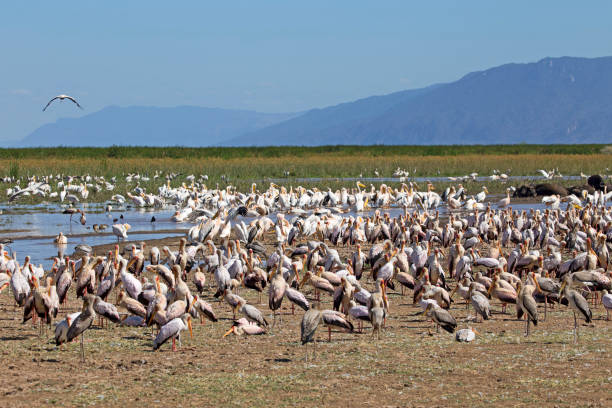
1 Day Lake Manyara Safari from Moshi with a professional safari guide, safari vehicle, Rift Valley scenery, forest, wetland habitats, wildlife viewing and same day return.
The 1 Day Lake Manyara Safari from Moshi provides a focused wildlife experience for travellers who want to explore one of Northern Tanzania’s distinctive Rift Valley parks and return without an overnight safari stay.
The day can begin with pickup from an agreed Moshi hotel or meeting location before travelling toward Lake Manyara National Park for a professionally guided wildlife game drive.
The park combines groundwater forest, open areas, wetland environments, lake scenery and the dramatic Rift Valley escarpment, creating a different experience from the more open landscapes of other Northern Tanzania safari destinations.
Begin with lush woodland that creates a different safari atmosphere.
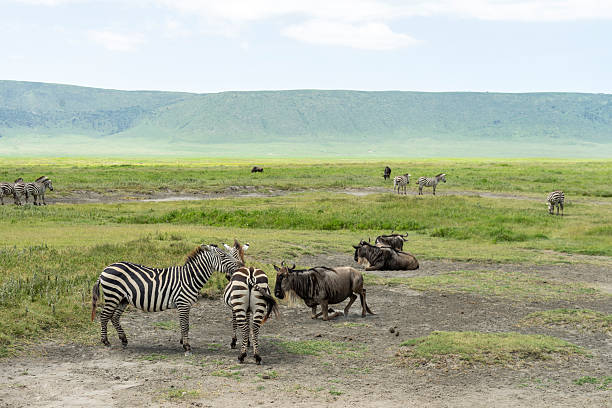
Look for monkeys, baboons, elephants, giraffes, zebras, buffalo and antelopes.
Explore habitats that can support varied bird viewing opportunities.
Enjoy dramatic geographical scenery along the park landscape.
Experience changing shoreline and wetland habitats according to natural conditions.
Return toward Moshi after the wildlife game drive.
Lake Manyara National Park is known for the contrast between dense groundwater forest, open habitats, wetland areas and the Rift Valley escarpment.
This creates a more compact and varied landscape than safari destinations dominated by broad open plains.
The park is also commonly associated with primates, birds and the possibility of encountering elephants and other larger mammals.
The lake level, shoreline, vegetation and wildlife distribution can change naturally with rainfall and seasonal conditions.
Add a wildlife day before or after your mountain trek.
Visit a national park when only one safari day is available.
Choose private or confirmed shared arrangements.
Experience a varied park without several safari nights.
Ask about private or compatible shared options.
Combine mammals, primates, birds and landscape viewing.
Pickup: Meet your professional safari guide at the agreed Moshi hotel or meeting location.
Departure: Begin the road journey toward Lake Manyara National Park.
Safari briefing: Review the day’s route and expected return arrangements.
Personal equipment: Keep your camera, phone, binoculars and sun protection accessible.
Road journey: Travel through Northern Tanzania toward the Great Rift Valley safari area.
Timing: Starting early helps protect useful wildlife viewing time inside the park.
Destination: Lake Manyara National Park.
A one day safari combines road travel with wildlife viewing.
An early departure provides more flexibility once you reach the national park.
The exact departure time should follow the confirmed safari schedule.
Travellers should be ready at the agreed pickup location to avoid reducing available game drive time.
Park arrival: Complete applicable entry arrangements according to the confirmed package.
Game drive: Enter Lake Manyara National Park and begin searching for wildlife.
Landscape: Explore forest, open habitats, wetland areas and lake environments.
Wildlife interpretation: Learn about animals, birds and habitats from your professional safari guide.
Photography: Stop where practical and permitted for wildlife and landscape viewing.
Important: All wildlife remains free ranging and no species or behavior can be guaranteed.
The groundwater forest provides one of Lake Manyara’s most distinctive environments.
Dense vegetation and large trees create a very different safari atmosphere from open plains.
Monkeys and baboons may be encountered in forested areas, while larger animals can also move through the habitat.
Visibility can sometimes be more limited inside dense vegetation than in open savannah, making professional wildlife searching useful.
Possible in forest and roadside habitats.
May be encountered in wooded environments.
Possible but never guaranteed.
May be seen in suitable open habitats.
Possible according to natural wildlife distribution.
May be encountered in suitable areas.
Different species can occur across park habitats.
Possible in more open environments.
Possible, including the behavior associated with tree climbing lions, but never guaranteed.
No.
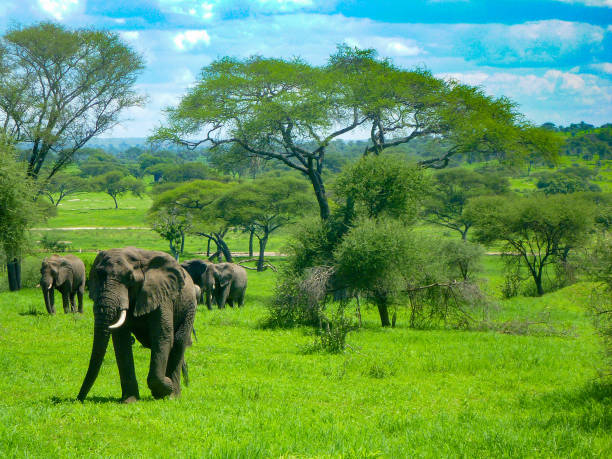
Elephants may be encountered in Lake Manyara National Park, but all wildlife moves naturally.
Their location depends on vegetation, water, food and other environmental factors.
A professional safari guide can search suitable areas but cannot guarantee an elephant sighting.
Lake Manyara is strongly associated with primate viewing, including baboons and monkeys.
However, wildlife remains natural and locations can vary.
Even species frequently encountered should not be presented as guaranteed sightings.
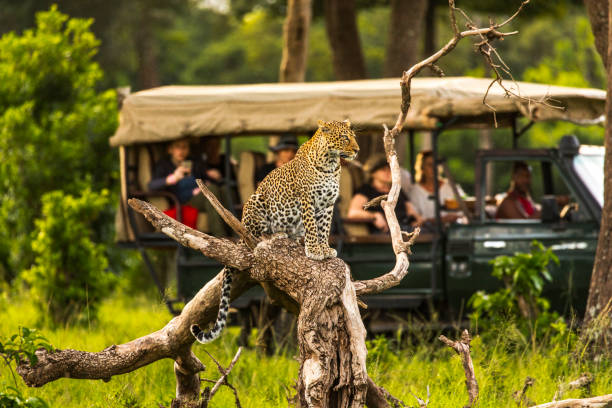
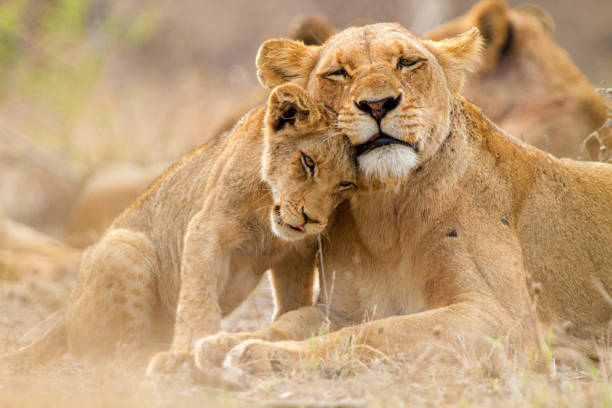
Lake Manyara is widely associated with lions that may rest or climb in trees.
However, not every lion will be in a tree and lions may not be encountered at all during a particular visit.
Tree climbing behavior depends on the animals and natural conditions.
A responsible safari should present tree climbing lions as a possibility rather than a guaranteed attraction.
Lions may be resting in vegetation, moving between habitats or outside the areas visited during the game drive.
Dense vegetation can also make predators more difficult to locate.
Professional guiding can improve wildlife searching, but it cannot control where lions choose to spend the day.
Lake Manyara is better appreciated for its habitat diversity, primates, birds, elephants, plains wildlife, landscapes and possible predators.
Some famous African wildlife species may be present, while others are not practical targets for a one day Lake Manyara itinerary.
Wildlife viewing should focus on the complete natural experience.
A Big Five sighting should never be guaranteed.
Lake Manyara’s forest, wetland, open areas and lake environment can support varied birdlife.
Bird species and concentrations change with habitat conditions, water levels and season.
Binoculars can add significant value to the safari for bird enthusiasts.
Exact bird species and large concentrations should never be guaranteed for a specific visit.
Flamingos are associated with East African soda lake environments, including Lake Manyara under suitable conditions.
However, their numbers and location can change considerably according to water conditions, food availability and natural movement.
Large flamingo concentrations should therefore never be guaranteed.
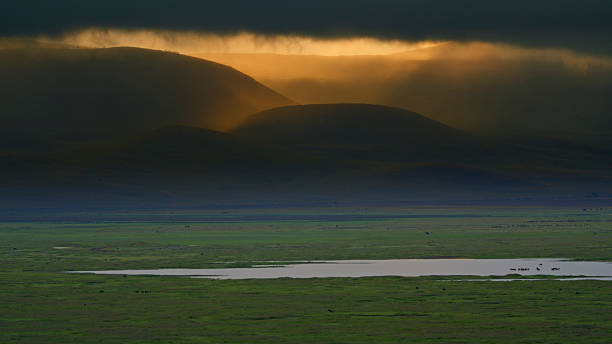
Water levels and shoreline conditions can change over time.
Rainfall and natural environmental processes influence the appearance of the lake and surrounding wetlands.
This can affect where certain birds and mammals are encountered.
Website photographs from another season should not be treated as a guarantee of identical conditions during your visit.
Dense vegetation supports primates and other wildlife.
Provides wider views and grazing opportunities.
Can support water associated wildlife and birds.
Changes naturally with water levels and rainfall.
Creates a dramatic Rift Valley backdrop.
Provides additional feeding and cover habitats.
The Rift Valley escarpment provides an impressive geographical backdrop to the Lake Manyara area.
It adds landscape interest beyond the wildlife experience itself.
Weather and visibility influence how clearly the surrounding scenery can be seen.
Clear views should therefore be treated as a possibility rather than a guarantee.
Manage the road journey and safari route.
Look for animals according to habitat and current conditions.
Explain behavior when monkeys or baboons are encountered.
Help identify birdlife where practical.
Position the vehicle where practical and permitted.
Balance wildlife viewing with the return journey to Moshi.
Dense forest and varied habitats mean wildlife can sometimes be more difficult to spot than in broad open plains.
A professional safari guide understands how to search different habitats and interpret signs of wildlife activity.
The guide can also explain how forest, wetlands, lake conditions and the Rift Valley influence the ecosystem.
Professional guiding adds context to the safari rather than simply transporting travellers through the park.
A safari vehicle is used according to the confirmed arrangements.
The exact configuration and seating should be confirmed before booking.
Vehicle movement follows applicable park regulations and permitted roads.
A guide should not disturb wildlife or leave permitted access simply to obtain a closer photograph.
Animal distance depends on where wildlife chooses to move relative to permitted roads.
Some animals may approach the vehicle while others remain hidden or distant.
Close wildlife encounters cannot be guaranteed and should never be forced.
Continue through forest, open areas and wetland environments while searching for wildlife.
Animal activity can change according to temperature, shade, water and natural movement.
Your professional guide may adjust the game drive route where practical according to current conditions.
The precise safari sequence can vary from one visit to another.
Lunch arrangements depend on the confirmed package.
Where a picnic lunch is included, it can be taken at an appropriate designated location according to the day’s schedule.
Dietary requirements should be communicated before departure.
Do not assume lunch or a private picnic area is included unless clearly confirmed.
Continue wildlife searching according to the available time.
Different habitats may provide different opportunities as conditions change during the day.
The professional guide balances further exploration with the required return journey.
The final game drive route depends on wildlife movement, park conditions and the confirmed schedule.
Photograph monkeys and baboons when encountered responsibly.
Use appropriate distance and permitted viewing positions.
Longer lenses can help with smaller and more distant subjects.
Use dense vegetation to capture a different safari environment.
Photograph changing wetland and shoreline scenery.
Include the escarpment in wider landscape compositions.
Yes, particularly for travellers interested in habitat variety.
The park can provide opportunities for primates, large mammals, birds, forest scenes and Rift Valley landscapes.
Dense vegetation can sometimes make photography more challenging than in open savannah.
No specific animal distance, lighting condition or behavior can be guaranteed.
Yes.
A telephoto lens can help with distant mammals, birds and wildlife partly hidden by vegetation.
It also allows responsible photography without requiring a vehicle to approach animals too closely.
Phone cameras remain useful for landscapes and nearby wildlife.
Heavy hiking boots are normally unnecessary for a standard vehicle based Lake Manyara safari.
Comfortable closed shoes are generally practical.
Most wildlife viewing takes place from the safari vehicle.
Different footwear is only necessary if another activity has specifically been added.
Yes, especially if you are interested in birds.
Binoculars can help with wildlife that remains distant or partly hidden in vegetation.
They can also improve viewing across wetland and lake environments.
Confirm whether binoculars are provided or whether you should bring your own.
A power bank can be useful for keeping your phone or camera charged throughout the day.
Vehicle charging should not be assumed unless specifically confirmed.
Charge important devices before leaving Moshi.
A light layer can be useful during early travel.
Sun protection remains important.
Daytime temperatures can feel warmer.
Rain can occur depending on season.
Cloud can affect Rift Valley views and photography.
Weather cannot be guaranteed.
Lake Manyara can be visited during different periods of the year.
Wildlife distribution, vegetation, lake levels and road conditions change naturally with rainfall and season.
Different travel periods can therefore provide different landscapes and wildlife experiences.
No month guarantees specific animals, large bird concentrations or perfect weather.
Drier periods can produce different vegetation and shoreline conditions.
Wildlife distribution may respond to water and grazing availability.
Animal sightings remain natural and cannot be predicted exactly.
Periods with greater rainfall can produce greener forest and surrounding vegetation.
Water levels and wetland conditions can change accordingly.
Rain can influence road conditions and visibility but does not mean wildlife is absent.
A private safari can provide a dedicated vehicle and professional safari guide for your confirmed travelling party according to the package.
This can allow greater flexibility with photography and viewing stops within practical limits.
Private does not mean exclusive access to the park, wildlife, roads, viewpoints or picnic areas.
A shared safari may be possible when compatible travellers have the same date and destination.
Availability depends on confirmed bookings and available seats.
Pickup, seating and final drop off arrangements should be confirmed before booking.
| Feature | Private Safari | Shared Safari |
|---|---|---|
| Vehicle | Dedicated to confirmed party according to package | Shared with compatible travellers |
| Guide | Focused on your travelling party | Guides the complete shared group |
| Viewing Stops | More personalized where practical | Balanced across participants |
| Photography | More flexible where practical | Shared viewing time |
| Departure | According to private booking | Depends on compatible group schedule |
| Wildlife Guarantee | None | None |
Yes.
A solo traveller can request a private Lake Manyara safari or ask whether a compatible shared departure is available.
The cost structure can differ between private and shared arrangements.
Availability should be confirmed for the exact travel date.
Yes.
A couple can request a dedicated safari vehicle and professional guide according to the confirmed package.
A private arrangement can provide greater flexibility with photography and observation time.
Wildlife and national park access remain shared with other permitted visitors.
Yes. Lake Manyara can be a practical family safari because it combines varied scenery and wildlife within one national park.
Parents should still consider the total road journey and length of the day for younger children.
Provide children’s ages when requesting the final package.
Lake Manyara can be added after a Kilimanjaro climb for travellers who want a short safari experience.
Consider fatigue after the summit and final mountain descent.
A recovery night in Moshi can be useful before an early safari departure.
The best sequence depends on the complete Tanzania itinerary.
The safari can also be arranged before a Kilimanjaro trek.
Leave enough time afterward for mountain briefing, equipment checks and rest.
Avoid creating an unnecessarily late return immediately before an early climbing departure.
| Feature | Lake Manyara | Tarangire |
|---|---|---|
| Main Landscape | Forest, lake, wetlands and Rift Valley | Baobabs, woodland, riverine habitat and savannah |
| Primates | Strong interest for monkeys and baboons | Possible but not the main reason to choose the park |
| Elephant Potential | Possible | Strong viewing potential |
| Birdlife | Varied forest, wetland and lake birding | Varied woodland and savannah birding |
| Special Association | Tree climbing lions, never guaranteed | Large baobab landscapes |
| Wildlife Guarantee | None | None |
The better choice depends on your interests.
Lake Manyara is attractive for forest, primates, birdlife, lake environments and Rift Valley scenery.
Tarangire is strongly associated with baobab landscapes and elephant viewing potential.
Neither park can guarantee particular wildlife sightings.
| Feature | Lake Manyara | Ngorongoro Crater |
|---|---|---|
| Landscape | Forest, wetlands, lake and escarpment | Crater basin and highlands |
| Safari Style | Compact varied park habitats | Crater floor game drive |
| Primates | Strong interest | Not the primary safari focus |
| Black Rhino Potential | Not the main reason to choose the park | Possible but never guaranteed |
| Road Day from Moshi | Practical one day option | Longer and more demanding day |
| Wildlife Guarantee | None | None |
Trying to combine both destinations from Moshi in one day can reduce meaningful game viewing time.
Road travel, park procedures and wildlife viewing all require time.
A two day safari is generally more practical when travellers want both Lake Manyara and Ngorongoro.
A focused one park itinerary generally provides better wildlife viewing than rushing between two national parks.
Even when two destinations appear close on a map, entry procedures and road travel reduce available game drive time.
Travellers who want both parks should consider a longer safari.
| Feature | 1 Day Safari | 2 Day Safari |
|---|---|---|
| Safari Nights | None | Normally one according to itinerary |
| Destinations | Lake Manyara focused | Can combine an additional park |
| Wildlife Time | One safari day | More overall game viewing time |
| Road Pace | Return toward Moshi the same day | More flexible route structure |
| Best For | Limited travel schedules | Travellers wanting more safari depth |
Serengeti should generally be planned as part of a multi day road safari from Moshi.
Serengeti lies much farther into the Northern Tanzania safari circuit.
Trying to combine Moshi, Lake Manyara, Serengeti and a same day return would leave very little meaningful game viewing time.
Travellers who prioritize Serengeti should select an appropriate multi day safari.
Lake Manyara works better as a focused one day destination.
Leave Lake Manyara National Park at an appropriate time according to the safari schedule.
Begin the road journey back toward Moshi.
Return timing can vary because of traffic, road conditions, park procedures and the actual game drive.
Final drop off can be at the agreed Moshi hotel or another specifically confirmed destination.
Yes, when specifically confirmed.
The final destination can be adjusted according to practical travel logistics.
Provide your onward accommodation information before departure so the route can be planned correctly.
An airport drop off can be considered when specifically arranged and when flight timing provides a sensible margin.
Road traffic and safari timing can vary.
Avoid an unnecessarily tight international connection immediately after the safari.
| Booking Item | What to Confirm |
|---|---|
| Pickup | Exact Moshi hotel or meeting point |
| Destination | Lake Manyara National Park |
| Safari Type | Private or shared |
| Vehicle | Confirmed safari vehicle arrangement |
| Guide | Professional safari guide |
| Park Arrangements | Confirm applicable compulsory arrangements are included |
| Lunch | Confirm whether included |
| Final Drop Off | Confirm Moshi, Arusha, airport or another agreed location |
It is a same day safari from Moshi to Lake Manyara National Park for a professionally guided wildlife game drive before returning without an overnight safari stay.
Yes. Pickup can begin from an agreed Moshi hotel or meeting location.
The safari visits Lake Manyara National Park.
Yes, unless another final destination is specifically confirmed.
No safari overnight is required for the standard one day itinerary.
The park is known for varied forest, wetland and lake habitats, Rift Valley scenery, primates, birds and diverse wildlife.
Monkeys may be encountered in forested areas, but wildlife sightings remain natural.
Baboons are among the primates visitors may encounter, although no specific sighting is guaranteed.
Elephants are possible but their location changes naturally and cannot be guaranteed.
Giraffes may be encountered in suitable habitats during the game drive.
Zebras are possible according to natural wildlife distribution.
Buffalo may be encountered in suitable areas of the national park.
Tree climbing lions are associated with Lake Manyara, but lion sightings and tree climbing behavior can never be guaranteed.
No. Lions may be on the ground, hidden in vegetation, elsewhere in the park or not encountered at all.
Flamingos may be present under suitable conditions, but their numbers and location vary naturally.
No. Bird concentrations depend on water conditions, food availability and natural movement.
Lake Manyara should not be selected as a guaranteed Big Five safari and no complete checklist can be promised.
No. All wildlife is free ranging and sightings depend on natural conditions.
Yes. Forest, wetland, open and lake habitats provide varied bird viewing opportunities.
The escarpment forms an important part of the surrounding scenery, although visibility depends on weather and conditions.
No. Water levels, shoreline and wetland conditions can change with rainfall and natural environmental processes.
Professional safari guide services can be included according to the confirmed package.
Agreed safari transportation can be included according to the confirmed arrangements.
Applicable park arrangements can be included according to the confirmed quotation.
Lunch should only be considered included when specifically stated in the final package.
Drinking water can be included according to the confirmed safari arrangements.
Yes. A private vehicle and professional guide can be arranged for your confirmed travelling party according to availability.
A compatible shared departure may be available depending on your exact travel date.
Yes. Solo travellers can request a private safari or ask about compatible shared availability.
Yes. Couples can request a private safari according to the confirmed package.
Yes. Families can visit Lake Manyara, and child ages should be provided when requesting the final arrangements.
Comfortable clothing, a light warm layer, sun hat, sunglasses and comfortable closed shoes are practical.
Heavy hiking boots are normally unnecessary for a standard vehicle based safari.
Yes. Binoculars can be especially useful for birds and wildlife farther from the vehicle.
A camera or phone is useful, while a telephoto lens can help with distant wildlife and birds.
Yes. Sun protection is useful throughout the safari day.
A power bank can be useful for keeping phones and cameras charged during the day.
Common dietary requirements can often be considered when communicated before departure.
Yes. Lake Manyara can be added after a Kilimanjaro climb according to your recovery and travel schedule.
Yes. Leave enough time afterward for mountain briefing, equipment checks and rest.
Lake Manyara is attractive for forest, primates, birds and Rift Valley scenery, while Tarangire is strongly associated with baobabs and elephant viewing potential.
A two day safari is generally more practical because combining both in one day can reduce meaningful wildlife viewing time.
Yes, when the final drop off location is confirmed in advance.
Airport drop off can be considered when specifically arranged and when flight timing provides a sensible margin.
Yes. The team can coordinate agreed Moshi pickup, safari transportation, professional safari guide, applicable park arrangements, Lake Manyara wildlife viewing, drinking water, lunch where confirmed and return transportation according to the final package.
The 1 Day Lake Manyara Safari from Moshi offers a compact Northern Tanzania wildlife experience without requiring an overnight safari stay.
The day can begin with an agreed pickup in Moshi before travelling toward Lake Manyara National Park and the Great Rift Valley.
Inside the park, a professional safari guide leads the game drive through groundwater forest, open areas, wetland environments and changing lake landscapes.
Monkeys, baboons, elephants, giraffes, zebras, buffalo, antelopes, warthogs and varied birdlife are among the wildlife that may be encountered.
Lake Manyara is also associated with tree climbing lions, but neither lions nor tree climbing behavior can ever be guaranteed.
The park’s strong appeal comes from its habitat diversity rather than one specific animal sighting.
Dense forest, wetlands, lake environments and the Rift Valley escarpment create a noticeably different landscape from open savannah dominated safari destinations.
Birdlife can also be an important part of the experience, although flamingo numbers and other bird concentrations change naturally with environmental conditions.
The safari can suit Kilimanjaro climbers, short stay travellers, couples, families, solo visitors and travellers interested in both wildlife and scenery.
The package can include Moshi pickup, safari vehicle, professional safari guide, applicable park arrangements, Lake Manyara game drive, drinking water, lunch where confirmed and return transportation.
The strength of the 1 Day Lake Manyara Safari from Moshi is the combination of professional guiding, primate and wildlife searching, birdlife, groundwater forest, changing lake habitats and Great Rift Valley scenery while keeping expectations realistic about free ranging animals and natural seasonal conditions.
1 Day. Moshi Start. Lake Manyara. Groundwater Forest. Primates. Wildlife. Birdlife. Rift Valley. Same Day Return.
Share your preferred safari date, number of travellers, Moshi pickup location, private or shared preference, dietary requirements, wildlife or bird watching interests and final drop off point and our team will prepare your confirmed 1 Day Lake Manyara Safari from Moshi.
Plan Your 1 Day Lake Manyara Safari from Moshi
Discover flexible wildlife itineraries across Tanzania's most iconic safari destinations.
Explore Safaris
Enjoy flexible travel with a dedicated vehicle, professional guide and itinerary built around your interests.
View Private Safaris
Combine Tanzania's wildlife with carefully selected lodges, camps and personalized travel arrangements.
View Luxury SafarisUse this itinerary as a starting point and share your preferred dates, group size, destinations and comfort level. Our team can adjust the trip around your travel plans.
Continue exploring journeys that match this itinerary.