
Tanzania Safari Packages
Discover flexible wildlife itineraries across Tanzania's most iconic safari destinations.
Explore Safaris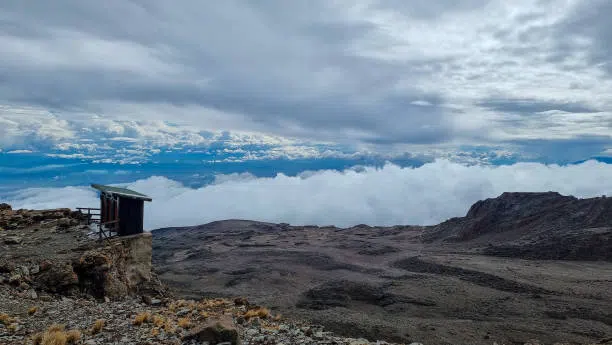
7 Day Lemosho Route Kilimanjaro trek with western approach, Shira Plateau, Lava Tower, Barranco, professional guides, camping, acclimatization and summit attempt.
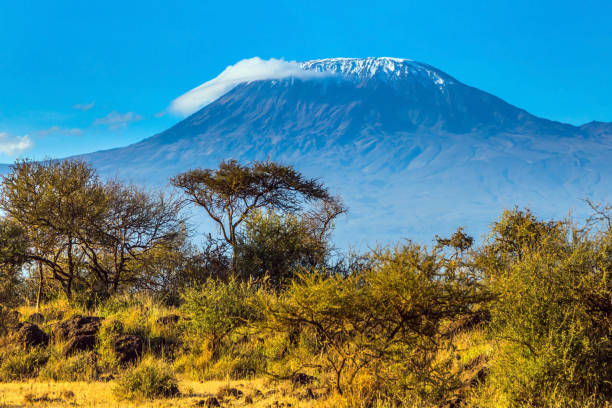
A 7 Day Lemosho Route Kilimanjaro trek gives climbers the opportunity to approach Mount Kilimanjaro from the scenic western side before crossing the Shira Plateau and joining the higher mountain route toward Barranco and the summit zone.
Lemosho is an established camping route and is attractive to trekkers who value scenery, changing ecological zones and a broad approach before reaching the higher mountain.
Seven trekking days can provide useful acclimatization opportunities, although the schedule is more compressed than an eight day Lemosho itinerary.
This means climbers should prepare seriously for consecutive mountain days and should understand that some stages may be combined to maintain the seven day structure.
The objective may be Uhuru Peak, but the priority throughout the route is always the climber's health and safe mountain progression.
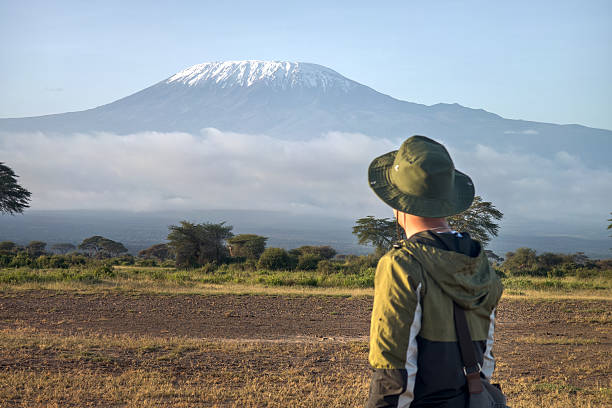
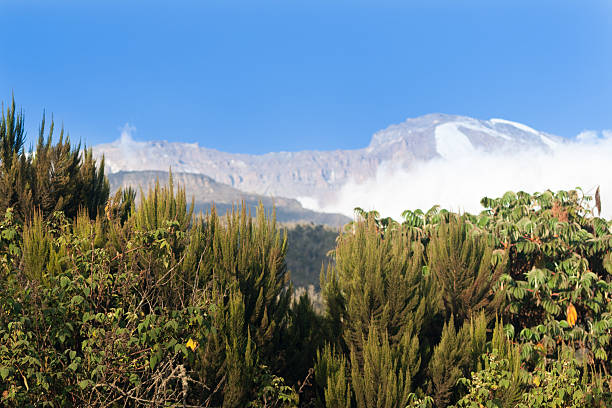
Lemosho begins on the western side of Kilimanjaro and introduces climbers to a quieter forest environment before the route reaches the Shira Plateau.
The route passes through forest, open plateau landscapes, increasingly dry alpine terrain and the high summit environment.
The route profile includes useful altitude variation, although seven days remains more compressed than longer Lemosho options.
Seven days can provide a strong Lemosho itinerary for travellers who cannot dedicate an additional mountain day.
However, climbers should understand the tradeoff between available time and route pace.
| Feature | 7 Day Lemosho | 8 Day Lemosho |
|---|---|---|
| Mountain Days | 7 | 8 |
| Overall Pace | More compressed | More gradual |
| Acclimatization Opportunity | Strong opportunities within the route | Additional opportunity through the extra day |
| Recovery Between Stages | Less time | More time |
| High Mountain Schedule | Some stages may be combined | Easier to separate important stages |
| Best For | Travellers with seven trekking days | Travellers who can dedicate an additional day |
| Summit Guarantee | None | None |
Acclimatization note: An extra day can create a more gradual itinerary, but neither seven nor eight days can guarantee that an individual climber will acclimatize successfully or reach Uhuru Peak.
| Day | Route Section | Main Trekking Focus |
|---|---|---|
| Day 1 | Lemosho Trailhead to Forest Camp Area | Begin through Kilimanjaro's western rainforest environment |
| Day 2 | Forest Area to Shira Plateau | Leave dense forest and enter increasingly open mountain landscapes |
| Day 3 | Across the Shira Plateau | Continue gradual altitude exposure across broad western landscapes |
| Day 4 | Shira Area via Lava Tower to Barranco | Important acclimatization focused stage with higher altitude exposure |
| Day 5 | Barranco toward the High Camp | Continue through Karanga and onward according to the confirmed seven day structure |
| Day 6 | Summit Attempt and Descent | Attempt Uhuru Peak when safe, followed by descent from the high mountain |
| Day 7 | Final Descent to Mweka Gate | Complete the trek and return toward Moshi or another confirmed destination |
Important: Seven day Lemosho itineraries can differ in camp sequencing and how higher stages are combined. Exact camps, route procedures and daily plans should follow the confirmed itinerary and guide decisions.
The first trekking day introduces climbers to the western side of Mount Kilimanjaro.
After the required registration and access procedures, the trekking team continues toward the Lemosho trailhead and begins walking through the lower mountain environment.
The forest can be humid, and conditions can change quickly if rain develops.
The early Lemosho section provides a very different environment from the exposed terrain encountered higher on Kilimanjaro.
Dense vegetation, damp forest air and changing trail conditions create an atmospheric opening to the trek.
Wildlife observations can occur in the lower forest, but no animal encounter should be guaranteed.
As the trek leaves the forest, the vegetation becomes more open and the scale of the western Kilimanjaro landscape becomes increasingly visible when cloud conditions allow.
The route begins approaching the broad Shira Plateau, one of the major scenic features associated with Lemosho.
The Shira Plateau is one of the most recognizable landscapes on the western side of Kilimanjaro.
It provides broad open views when weather conditions are clear and creates a major contrast with the dense forest experienced during the lower approach.
The terrain becomes broader and more exposed as vegetation changes with altitude.
Clear conditions can provide dramatic views, although cloud can obscure the mountain at any time.
The plateau forms part of the gradual transition toward the higher mountain environment.
The third day continues across the western plateau and gives climbers additional time in the increasingly high altitude environment.
This stage can be valuable because the body is continuing to adapt before the route reaches the more demanding Lava Tower and Barranco section.
Kilimanjaro's standard trekking routes do not normally require conventional technical mountaineering skills, but high altitude makes the climb demanding.
As elevation increases, atmospheric pressure decreases and less oxygen is available with each breath.
Any concerning or worsening symptoms should be reported to the guide immediately.
Physical preparation is important because climbers walk for several consecutive days on uneven mountain terrain.
However, excellent fitness does not guarantee successful acclimatization.
Strong athletes can experience serious altitude related problems, while slower trekkers may sometimes adapt well.
This is why individual health monitoring remains important regardless of physical fitness.
The Lava Tower and Barranco stage is an important part of the Lemosho acclimatization profile.
Climbers typically gain substantial altitude during the day before descending toward Barranco.
The route profile around Lava Tower allows climbers to reach higher altitude before later descending toward Barranco.
This type of altitude exposure can support acclimatization because the body experiences greater elevation without necessarily sleeping at the highest point reached.
It is a useful route feature but does not guarantee that every climber will adapt successfully.
Barranco provides one of the most dramatic high mountain settings on Kilimanjaro.
By this stage, climbers have moved from the western Lemosho approach into the higher southern route used by several Kilimanjaro itineraries.
The environment is much more exposed than the rainforest and Shira sections experienced earlier in the climb.
The fifth day of a seven day Lemosho itinerary can be demanding because the route must continue from Barranco through higher mountain terrain toward the summit preparation area according to the confirmed schedule.
Some seven day structures combine stages that are separated on longer Lemosho itineraries.
The Barranco Wall is one of the best known sections of the higher Kilimanjaro route.
It involves steep trekking and scrambling style movement in places but is not normally conventional technical rock climbing.
Guides help climbers choose safe foot and hand positions through sections where careful movement is required.
It requires concentration and respect, but climbers should avoid assuming that its dramatic appearance automatically makes it a technical mountaineering obstacle.
Professional guidance, patience and controlled movement are important.
Climbers should avoid rushing or trying to overtake in unsuitable sections.
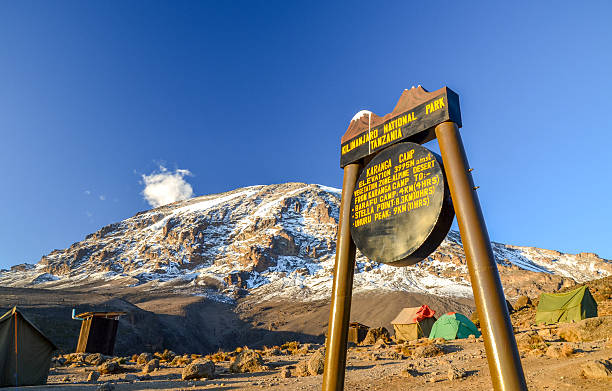
The route passes through the Karanga section before continuing toward the high camp used for the summit attempt.
On an eight day itinerary, Karanga may receive a more separated stage, while seven day versions can combine parts of the higher route depending on the confirmed program.
Planning consideration: This difference is one reason travellers who have sufficient time may prefer an 8 day Lemosho itinerary for a more gradual high mountain schedule.
The high camp stage is about preparation rather than unnecessary activity.
Climbers should organize equipment carefully, eat, hydrate and rest whenever possible.
Reduced oxygen availability makes physical movement more demanding than at lower elevations.
The summit zone can become extremely cold, making effective layering and hand protection essential.
The summit attempt comes after several consecutive days of trekking and altitude exposure.
The summit attempt begins according to the professional guide team's plan and actual mountain conditions.
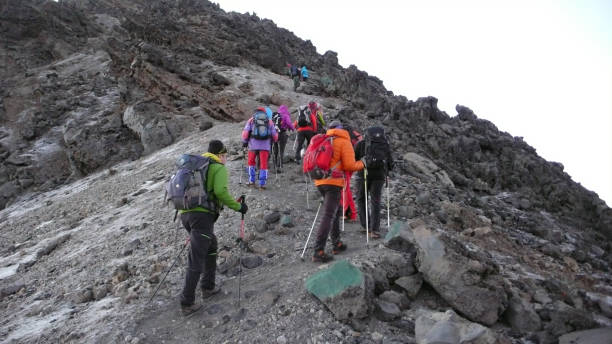
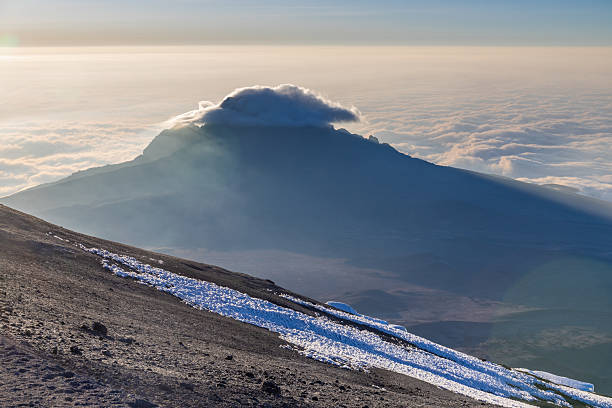
Climbers progress slowly through the upper mountain toward the crater rim and continue toward Uhuru Peak only when their physical condition, altitude response, weather and guide assessment permit.
No.
No responsible Kilimanjaro operator should guarantee that every climber will reach Uhuru Peak.
Altitude illness, severe fatigue, injury, weather, medical concerns or other circumstances can require a climber to stop ascending.
Mountain safety: Turning around when necessary is a responsible decision. The summit objective should never take priority over a climber's health.
After reaching the highest safe point for the individual climber, the team begins descending.
The descent can remain physically demanding because climbers are tired and must continue moving over steep and uneven terrain.
The final day descends through progressively greener mountain environments toward Mweka Gate.
After completing the required mountain exit procedures, transportation can continue toward Moshi or another confirmed destination.
A post climb hotel night can provide valuable time to shower, rest, rehydrate and recover before safari, Zanzibar or international travel.
| Feature | 7 Day Lemosho | 7 Day Machame |
|---|---|---|
| Approach | Western side | Southern side |
| Accommodation | Camping | Camping |
| Shira Plateau | Major early route feature | Reached through a different approach |
| Seven Day Structure | More compressed than longer Lemosho versions | Very natural fit for Machame |
| Landscape Variety | Excellent | Excellent |
| Acclimatization Opportunity | Strong route profile | Strong route profile |
| Summit Guarantee | None | None |
Lemosho and Marangu provide substantially different Kilimanjaro experiences.
| Feature | Lemosho Route | Marangu Route |
|---|---|---|
| Accommodation | Camping tents | Mountain huts |
| Approach | Western side | Different established mountain approach |
| Scenery | Broad western landscapes and Shira Plateau | Different route scenery and hut based experience |
| Main Challenge | Altitude | Altitude |
| Summit Guarantee | None | None |
No conventional technical mountaineering experience is normally required for the standard Lemosho trekking route.
However, climbers still encounter steep sections, rough terrain, cold conditions and very high altitude.
Appropriate fitness, trekking preparation, suitable clothing and professional guiding remain essential.
The seven day Lemosho Route is physically and mentally demanding.
Climbers walk for several consecutive days and must continue recovering between stages.
Altitude can affect any climber regardless of physical fitness or previous sporting ability.
Cold, darkness, fatigue and very high altitude combine during the most demanding part of the route.
Some first time high altitude trekkers choose Lemosho, but being a beginner should not mean arriving unprepared.
Climbers should arrive with enough endurance for repeated trekking days and a demanding summit stage.
Extreme athletic performance is not required, but good preparation makes it easier to cope with the physical demands of the mountain.
Fitness does not eliminate altitude risk.
Regular hikes help prepare feet, legs and general endurance for long days on uneven terrain.
Uphill and downhill training helps prepare for climbing and the long descent after the summit attempt.
Training on consecutive days helps the body become accustomed to activity before complete recovery.
Professional mountain teams should monitor climber health throughout the route.
Some climbers hide headaches, nausea or weakness because they are worried that the guide may stop their summit attempt.
This can increase risk.
Professional guides need accurate information to make responsible mountain decisions.
Emergency oxygen can be carried where specified in the confirmed mountain safety arrangements.
Oxygen should not be viewed as a method for forcing a climber to continue upward despite serious altitude illness.
When descent is required, safety takes priority.
A climber who cannot safely continue may need to descend with appropriate crew support.
The remaining group may continue according to the guide team's operational and safety plan.
Evacuation arrangements depend on the climber's condition, location and actual mountain circumstances.
Kilimanjaro weather can change rapidly as climbers move between ecological zones.
Clear mountain views and dry weather cannot be guaranteed.
Kilimanjaro can be climbed during different times of the year, but seasonal rainfall influences trail conditions, visibility and the amount of moisture encountered.
| Factor | Why It Matters | Important Reality |
|---|---|---|
| Rainfall | Affects trail and clothing conditions | Weather remains unpredictable |
| Temperature | High mountain areas can become extremely cold | Cold can occur during different climbing periods |
| Cloud | Affects views across Shira and the upper mountain | Clear views cannot be guaranteed |
| Trail Conditions | Rain can create muddy or slippery sections | Conditions can change quickly |
| Mountain Traffic | Some travel periods can be busier | Exact climber numbers vary |
The western approach begins through lush lower mountain vegetation.
The landscape becomes more open as the route approaches and crosses the Shira area.
Vegetation becomes sparse as climbers move into increasingly exposed high altitude terrain.
Very high altitude, cold and wind dominate the final stages toward the summit area.
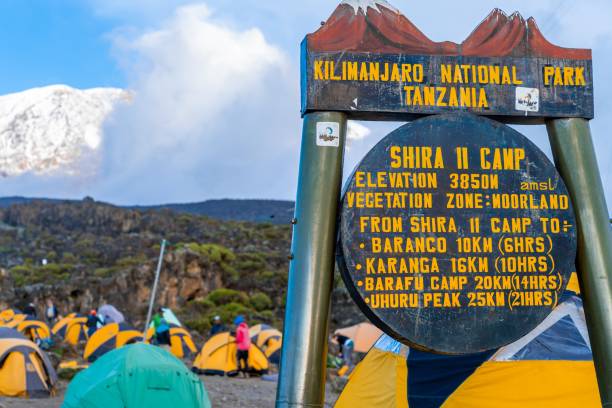
Lemosho is a camping route.
Trekkers sleep in mountain tents rather than huts.
A suitably warm sleeping bag is important because mountain nights can become very cold.
Climbers can bring their own appropriate sleeping bag or arrange rental equipment where available.
Exact rental specifications and availability should be confirmed before departure.
A private portable toilet may be arranged when specifically included or requested in the confirmed package.
Travellers should not assume that a private toilet is automatically included in every Lemosho booking.
Porters carry group equipment and the climber's approved mountain duffel according to the confirmed arrangements and applicable mountain rules.
The climber carries a personal daypack containing items needed during each trekking day.
Trekking poles can help with balance on rough, muddy, rocky and steep sections.
They can also reduce some of the impact on the knees during the long descent from the upper mountain.
The summit attempt normally includes trekking during darkness.
A reliable headlamp and suitable spare power are therefore essential parts of summit preparation.
Normal electrical charging should not be relied upon while camping on the Lemosho Route.
Power banks and spare batteries can be useful for phones, cameras and compatible headlamps.
Mountain meals provide energy for consecutive trekking days and should follow the confirmed package.
Dietary needs should be communicated before the climb so that the mountain team can confirm suitable arrangements.
Regular hydration is an important part of the daily mountain routine.
Climbers should follow guide advice regarding fluid intake and keep drinking consistently throughout the route.
Mountain drinking water preparation should follow the confirmed arrangements.
The exact mountain crew size depends on the number of climbers, route requirements and confirmed expedition arrangements.
Guides monitor climber condition and look for symptoms that may require closer assessment or descent.
Professional guides manage the mountain pace according to route conditions and climber health.
The guide can stop an ascent when continuing would create unacceptable risk.
A responsible Lemosho climb should respect porter luggage limits, equipment, food and working conditions.
Climbers should pack within the confirmed porter luggage allowance and avoid unnecessary heavy items.
A private Lemosho trek is organized for the confirmed booking party rather than combining unrelated climbers into the same mountain booking.
The guide and supporting crew are organized according to the confirmed private booking.
The guide manages the private group's pace while still evaluating each climber individually.
Hotels, briefing, transfers, safari and onward travel can be coordinated around the booking party.
A group joining Lemosho trek may be available when compatible confirmed climbers share the same route, departure date and seven day structure.
Group joining should not be described as departing every day unless a compatible confirmed departure actually exists.
| Feature | Private Lemosho Trek | Group Joining Lemosho |
|---|---|---|
| Booking Arrangement | Dedicated to booking party | Compatible confirmed climbers trek together |
| Departure Date | More flexible | Depends on confirmed group departure |
| Route | Confirmed for booking party | Follows the agreed group itinerary |
| Pacing | Managed around private group condition | Managed around the group while protecting individual safety |
| Summit Guarantee | None | None |
Solo climbers can book the Lemosho Route privately or join a compatible confirmed departure when available.
A private arrangement offers greater logistical flexibility, while group joining can distribute selected shared expedition costs.
Couples can book a private Lemosho climbing arrangement or join compatible confirmed climbers.
Private trekking can make it easier to coordinate hotel arrangements, transfers, briefing, safari and onward travel around two travellers.
Friends can arrange a private Lemosho mountain team according to the confirmed group size.
Training together before Tanzania can help the group understand individual walking speeds, equipment needs and overall endurance.
Climbers with health concerns should discuss the planned high altitude trek with an appropriately qualified healthcare professional before travel.
Some climbers discuss acetazolamide with their healthcare professional before travelling.
Medication decisions should be made with appropriate medical guidance rather than relying on a mountain operator to prescribe treatment.
Medication does not replace gradual acclimatization, symptom monitoring or descent when necessary.
Travellers should arrange insurance suitable for Tanzania and the planned high altitude trekking activity.
The insurer should confirm exact altitude limits and policy conditions.
Selected trekking equipment may be available for rental according to availability.
Exact sizes, specifications and availability should be confirmed before the trek.
A pre climb briefing allows the guide and climbers to review equipment, route procedures and mountain safety before departure.
Many Lemosho packages include or arrange accommodation in Moshi before the climb according to the confirmed booking.
A pre trek hotel night gives travellers time to recover from international travel, attend the briefing, organize luggage and solve equipment issues before mountain departure.
A hotel night after completing Kilimanjaro can provide valuable recovery time before safari, Zanzibar or an international flight.
A Lemosho climb can be combined with a Northern Tanzania wildlife safari.
A recovery night in Moshi can be useful before beginning several days of safari road travel.
Safari provides a major change of pace after several physically demanding trekking days.
Travellers can combine the mountain with destinations such as Tarangire National Park, Serengeti National Park and Ngorongoro Crater.
The most suitable safari duration depends on available time, budget and onward travel plans.
Travellers can also continue toward Zanzibar after Kilimanjaro.
Suitable ground transportation and scheduled domestic flights should be coordinated according to the confirmed itinerary.
Exact flight schedules, baggage conditions and availability should be confirmed for the actual travel dates.
It may be possible when the confirmed schedule provides sufficient travel margin.
However, a very tight international connection immediately after the mountain can create unnecessary pressure if the descent or road transfer takes longer than expected.
A recovery night can provide additional margin where the traveller's schedule permits.
Yes. Seven day Lemosho itineraries are possible, although they are more compressed than an eight day version.
It can be a strong option for climbers who want the western Lemosho approach but only have seven trekking days available.
An eight day itinerary provides an additional day for more gradual progression and acclimatization opportunity. Neither duration guarantees the summit.
Lemosho approaches Mount Kilimanjaro from the western side before crossing toward the Shira Plateau and higher mountain route.
Yes. The Shira Plateau is one of the defining scenic sections of the route.
Standard Lemosho itineraries can include the Lava Tower section as part of the route's acclimatization profile.
Yes. Lemosho normally joins the higher southern route and passes through the Barranco area.
Yes, the higher route normally includes the Barranco Wall section before continuing toward Karanga and the summit preparation area.
It involves steep trekking and scrambling style movement in places but is not normally conventional technical rock climbing.
Lemosho is a camping route, so climbers normally sleep in mountain tents.
No. Marangu is the established route known for hut accommodation.
Conventional technical mountaineering experience is not normally required for the standard Lemosho trekking route.
Yes. The route involves consecutive trekking days, high altitude, cold conditions and a demanding summit attempt.
Some first time high altitude trekkers use Lemosho, but serious physical preparation and understanding of altitude risk are important.
No. Seven days provides acclimatization opportunities, but individual altitude response varies.
Yes. Physical fitness does not guarantee successful altitude adaptation.
No. Summit success can never be guaranteed.
Report symptoms immediately to the professional mountain guide and follow the guide's instructions.
Health monitoring can include symptom discussions, physical observation and pulse or oxygen saturation checks according to the operator's procedures.
Emergency oxygen can be included where specified in the confirmed mountain safety arrangements. It does not replace descent when descent is necessary.
A climber may need to descend with appropriate crew support when continuing is unsafe.
Sleeping bag rental may be available according to confirmed inventory and arrangements.
Sleeping mats can be provided according to the confirmed trekking package.
Selected trekking equipment may be available for rental subject to confirmed availability.
Only when specifically stated in the confirmed booking. It should not be assumed automatically.
Porters carry the approved mountain duffel and group equipment according to confirmed arrangements, while climbers carry their personal daypacks.
Carry water, rain protection, clothing layers, snacks, sun protection, medication and other items needed during the day's trekking.
Trekking poles are useful for balance and can reduce some impact during long descents.
Yes. A reliable headlamp is important because the summit attempt normally includes trekking in darkness.
Normal electrical charging should not be relied upon while camping, so a suitable power bank is useful.
Mountain meals can be included according to the confirmed Lemosho package.
Vegetarian and other dietary requirements can often be arranged when communicated and confirmed before the trek.
Mountain drinking water arrangements should follow the confirmed package and crew procedures.
Yes. A private Lemosho trek can be organized for the confirmed booking party.
Possibly. Group joining depends on compatible confirmed climbers, the same route, matching dates and available group space.
No. A group departure should only be treated as available when compatible confirmed climbers and operational arrangements exist.
Yes. Solo travellers can book privately or join a compatible confirmed group when available.
Yes. A private mountain arrangement can be organized for two climbers according to the confirmed package.
Regular hiking, hill training, cardiovascular endurance, leg strength and back to back walking days can help prepare for the route.
Travellers should arrange suitable insurance and confirm that the policy covers the planned high altitude trekking activity.
Medication decisions should be discussed with an appropriately qualified healthcare professional before the climb.
Yes. Tarangire, Serengeti, Ngorongoro and other Northern Tanzania safari destinations can be added after Kilimanjaro.
A recovery night in Moshi can be useful after completing the mountain before beginning several days of road safari travel.
Yes. Ground transportation and suitable scheduled domestic flights can connect the Kilimanjaro climb with Zanzibar according to the confirmed itinerary.
It may be possible when sufficient travel margin exists, but a very tight international connection immediately after the mountain can create unnecessary pressure.
A 7 Day Lemosho Route Kilimanjaro trek is a strong option for climbers who want the scenic western approach to Mount Kilimanjaro but have only seven mountain days available.
The route begins through the western rainforest before reaching the open landscapes of the Shira Plateau and continuing toward higher altitude terrain.
The Lava Tower and Barranco section provides important altitude exposure before the trek continues through the higher mountain toward the summit preparation area.
Because the seven day version is more compressed than an eight day Lemosho itinerary, some higher stages may be combined according to the confirmed route structure.
Climbers should therefore arrive physically prepared and should maintain conservative pacing, hydration, nutrition and honest communication about altitude symptoms.
Professional mountain guides, assistant guides where required, cook, porters, camping equipment, meals, drinking water arrangements and applicable Kilimanjaro park arrangements should follow the confirmed package.
Private Lemosho climbs can be organized for one booking party, while group joining depends on compatible confirmed climbers and departure dates.
Health monitoring and emergency oxygen can support the mountain safety system where specified, but they do not replace descent when continuing upward becomes unsafe.
Reaching Uhuru Peak cannot be guaranteed because altitude response, health, fatigue, weather and mountain conditions vary between climbers.
The strongest seven day Lemosho experience therefore combines scenic western landscapes, responsible acclimatization, professional guiding, careful preparation and safety focused summit decision making.
Seven Days. Lemosho. Shira Plateau. Kilimanjaro.
Share your preferred climbing dates, number of climbers, private or group preference, equipment requirements, safari plans and onward travel details and our local mountain team will prepare a seven day Lemosho Route Kilimanjaro itinerary around your confirmed booking.
Plan Your 7 Day Lemosho Route Kilimanjaro
Discover flexible wildlife itineraries across Tanzania's most iconic safari destinations.
Explore Safaris
Enjoy flexible travel with a dedicated vehicle, professional guide and itinerary built around your interests.
View Private Safaris
Combine Tanzania's wildlife with carefully selected lodges, camps and personalized travel arrangements.
View Luxury SafarisUse this itinerary as a starting point and share your preferred dates, group size, destinations and comfort level. Our team can adjust the trip around your travel plans.
Continue exploring journeys that match this itinerary.