
Tanzania Safari Packages
Discover flexible wildlife itineraries across Tanzania's most iconic safari destinations.
Explore Safaris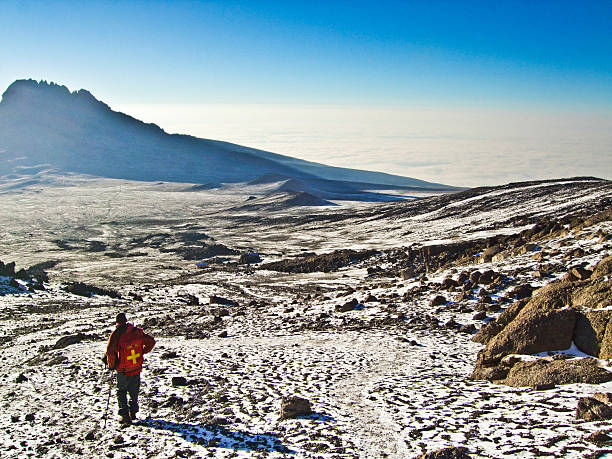
7 Day Lemosho Route Kilimanjaro trek with professional mountain guides, rainforest, Shira Plateau, Lava Tower acclimatization, Barranco Wall, Barafu Camp, summit attempt and complete trekking support.
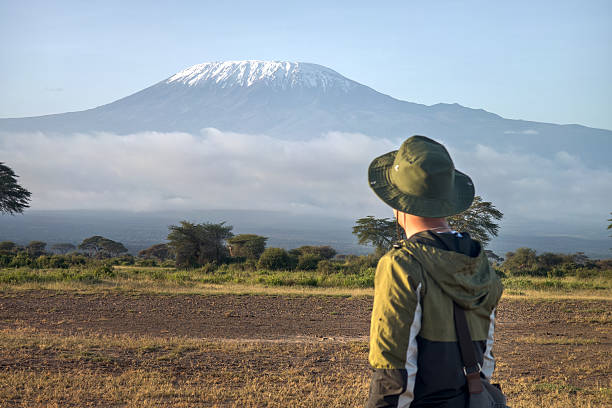
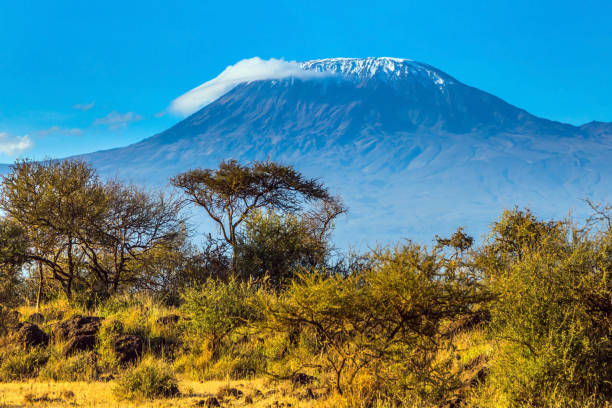
The 7 Day Lemosho Route approaches Mount Kilimanjaro from the western side and crosses the Shira Plateau before joining the southern circuit toward Lava Tower, Barranco, Barafu and the summit zone.
The itinerary provides seven trekking days and six mountain camping nights, combining scenic route variety with an important climb high and sleep lower acclimatization profile.
Compared with the 8 day Lemosho itinerary, the seven day version is more compact because climbers commonly continue from Barranco through Karanga and onward to Barafu on the same trekking day.
Approach Kilimanjaro through the western side before reaching the Shira Plateau.
Experience broad high altitude landscapes during the early route.
Climb toward higher terrain before descending to Barranco.
Experience one of Kilimanjaro’s best known trekking sections.
Experience the route in seven mountain days.
Attempt the summit according to health and mountain conditions.
Suitable for climbers prepared for seven consecutive mountain trekking days.
Provides a scenic route with useful altitude exposure.
Private or suitable group departures can be considered where available.
Private trekking arrangements can be prepared according to the package.
Suitable groups can trek together with a professional mountain crew.
Combine the climb with a Northern Tanzania safari afterward.
| Feature | 7 Day Lemosho | 8 Day Lemosho |
|---|---|---|
| Mountain Days | 7 | 8 |
| Mountain Nights | 6 | 7 |
| Karanga Overnight | Commonly no separate overnight | Commonly separate overnight |
| Barranco Stage | Barranco through Karanga to Barafu | Barranco to Karanga |
| Following Stage | Summit attempt from Barafu | Karanga to Barafu before summit day |
| Pacing | More compact | More gradual |
The 7 day Lemosho schedule preserves the western approach, Shira Plateau and Lava Tower acclimatization profile while reducing one mountain night compared with the 8 day version.
After Barranco Wall, climbers commonly continue through Karanga and onward to Barafu on the same day.
This makes the stage longer than a separate Barranco to Karanga day.
The route can still provide useful acclimatization opportunity, but altitude response remains individual and summit success cannot be guaranteed.
Morning: Begin from the agreed pickup location and travel toward the western Kilimanjaro entry area.
Gate procedures: Complete applicable park arrangements and organize the mountain crew.
Trailhead: Continue to the trekking starting point according to the confirmed logistics.
Trek begins: Enter Kilimanjaro’s lower rainforest.
Terrain: Forest trails can become muddy or slippery in wet weather.
Vegetation: Dense forest creates a humid and green opening stage.
Pacing: Begin with a controlled walking speed.
Water: Follow the confirmed drinking water arrangements.
Meals: Follow the mountain meal schedule.
Afternoon: Continue through forest toward the first camp.
Camp arrival: Settle into the first mountain overnight.
Health monitoring: Begin communicating openly about your physical condition.
Dinner: Follow the confirmed mountain meal arrangements.
Overnight: Mti Mkubwa Camp.
Begin through Kilimanjaro’s dense lower vegetation.
Start from the quieter western side of the mountain.
Begin the Lemosho camping experience.
Rain and mud can occur in the lower forest.
Settle into a controlled trekking rhythm.
Begin the route with your mountain guide and crew.
Mti Mkubwa is the common first camping area on the Lemosho Route.
The camp sits within the lower mountain environment after the opening rainforest trek.
Conditions can be damp and cool depending on weather.
Breakfast: Begin according to the camp schedule.
Departure: Leave Mti Mkubwa and continue upward.
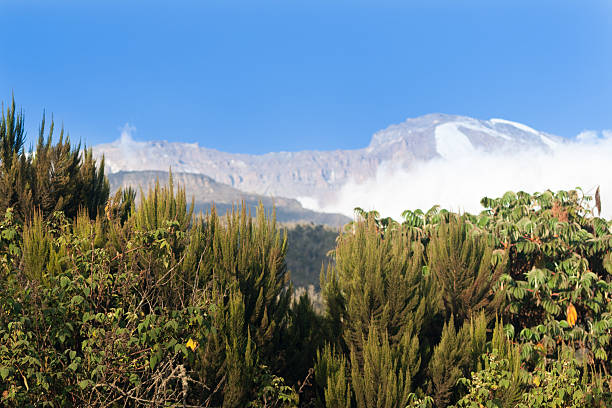
Vegetation change: Trek out of dense rainforest toward heath and moorland.
Terrain: Expect sustained uphill walking with increasingly open scenery.
Shira Plateau: Begin entering one of the route’s most distinctive high altitude landscapes.
Views: Clear conditions may provide broad mountain scenery.
Altitude: Elevation becomes increasingly noticeable.
Pacing: Maintain a slow and controlled speed.
Hydration: Continue drinking regularly.
Lunch: Follow the confirmed mountain meal arrangements.
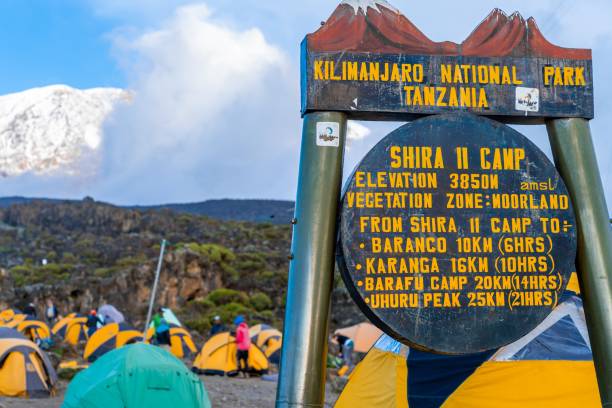
Afternoon: Continue toward Shira 1 Camp.
Health monitoring: Discuss headaches, nausea or unusual tiredness with the guide.
Dinner: Follow the confirmed meal schedule.
Overnight: Shira 1 Camp.
The scenery becomes dramatically more expansive.
The route moves well above the rainforest zone.
Clear conditions can provide impressive Kilimanjaro scenery.
Experience the transition into heath and moorland.
Climbers begin noticing the effects of elevation more clearly.
Open landscapes provide strong mountain photography opportunities.
Morning: Begin after breakfast according to the trekking schedule.
Departure: Continue across the Shira Plateau.
Terrain: Trek through broad open landscapes and high altitude moorland.
Altitude: Continue adapting to the thinner air.
Pacing: Maintain a patient walking rhythm.
Scenery: Clear conditions can provide broad views across the plateau and mountain.
Acclimatization: The day provides additional time at higher elevation before the Lava Tower stage.
Lunch: Follow the confirmed mountain meal plan.
Afternoon: Continue toward Shira 2.
Camp arrival: Settle into the third mountain overnight.
Health monitoring: Continue observing appetite, headache, energy and hydration.
Dinner: Follow the confirmed meal arrangements.
Overnight: Shira 2 Camp.
Spend another trekking day in the Shira environment.
Continue higher before the more demanding Lava Tower day.
Enjoy open terrain where weather permits.
Continue monitoring individual altitude response.
Temperatures can become increasingly low.
Prepare for the important Lava Tower stage.
Walking too quickly can create unnecessary fatigue.
A steady pace helps conserve energy for later trekking days.
Altitude response varies significantly between individuals.
Follow the professional mountain guide’s pacing instructions throughout the climb.
Morning: Begin after breakfast according to the mountain schedule.
Departure: Leave Shira 2 and continue into drier high altitude terrain.
Altitude gain: Trek toward the Lava Tower area.
Acclimatization profile: Climb to higher elevation before descending to sleep lower.
Lava Tower: Spend appropriate time according to health, weather and professional guide planning.
Altitude symptoms: Headache, nausea, dizziness or unusual weakness should be reported immediately.
Descent: Continue downward toward Barranco Valley.
Landscape: Experience dramatic volcanic terrain and changing vegetation.
Lunch: Follow the confirmed mountain meal arrangements.
Afternoon: Continue to Barranco Camp.
Camp arrival: Rest after an important acclimatization stage.
Dinner: Follow the confirmed meal schedule.
Overnight: Barranco Camp.
Reach higher terrain during the trekking day.
Descend to Barranco for the overnight.
The day is an important part of Lemosho route planning.
Experience stark high altitude terrain.
Symptoms can become more noticeable at higher elevation.
Finish in one of Kilimanjaro’s dramatic camp areas.
No.
The route profile provides useful high altitude exposure.
However, every climber responds differently to altitude.
Fitness, age and previous hiking experience cannot guarantee good acclimatization.
Do not hide headache, nausea, dizziness, unusual weakness, breathing difficulty or other concerning symptoms.
Your professional guide should evaluate your condition according to the circumstances.
Continuing upward is not always the safest decision.
Health and safe descent are more important than summit ambitions.
Morning: Begin after breakfast and prepare for the Barranco Wall.
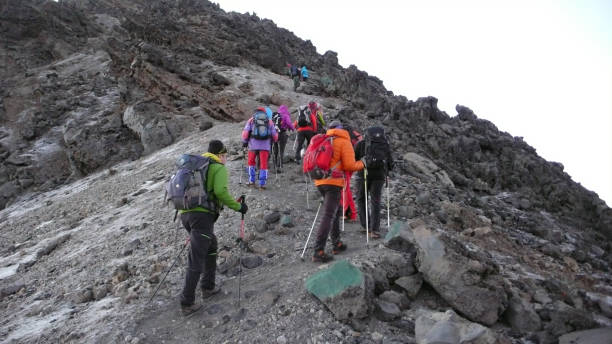
Barranco Wall: Ascend the steep trekking section using careful foot placement.
Hands for balance: Some sections may require using hands for stability.
Technical level: The wall is generally considered trekking and scrambling rather than technical mountaineering.
Pacing: Move patiently and follow professional guidance.
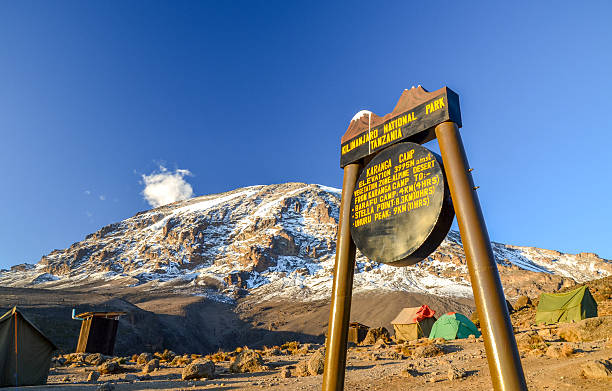
Karanga area: Continue across ridges and valleys toward Karanga.
No separate overnight: On the common 7 day Lemosho itinerary, climbers continue onward from Karanga toward Barafu.
Terrain: The route becomes progressively drier and more exposed.
Altitude: Thin air becomes increasingly noticeable.
Barafu arrival: Reach the summit base camp and begin preparation.
Equipment: Organize warm clothing, headlamp, gloves and essential summit gear.
Rest: Eat, hydrate and conserve energy.
Summit briefing: Review timing, pacing and safety procedures.
Health review: Discuss any symptoms before the planned summit attempt.
Overnight: Barafu Camp before summit departure.
Begin with a steep trekking and scrambling section.
Continue across changing terrain after the wall.
Continue toward Barafu on the same day.
Finish at a substantially higher sleeping point.
Conserve strength for summit night.
Prepare equipment and clothing after reaching Barafu.
For standard Lemosho trekking, Barranco Wall is generally treated as a steep trekking and scrambling section rather than technical climbing.
Hands may be used for balance in some places.
Exposure can feel intimidating to some climbers.
Follow the mountain guide’s route and positioning instructions throughout the wall.
Not normally on the common seven day schedule.
The 7 day Lemosho itinerary commonly continues from Barranco through Karanga and onward to Barafu.
The 8 day Lemosho itinerary commonly uses Karanga as a separate overnight.
This is one of the most important structural differences between the two itineraries.
Pre dawn departure: Begin the planned summit attempt according to the guide’s schedule.
Conditions: Expect darkness, cold temperatures, steep terrain and very high altitude.
Pacing: Move slowly and consistently.
Health: Report any concerning symptoms immediately.
Stella Point area: Continue according to health, weather and mountain conditions.
Uhuru Peak attempt: Climbers who can safely continue may proceed toward the planned summit point.
Summit stop: Keep the stop appropriate for conditions and climber wellbeing.
Descent: Return toward Barafu Camp.
Recovery: Rest briefly, eat and hydrate according to the team plan.
Continue descent: Trek farther down toward Mweka Camp.
Vegetation change: Descend from high alpine terrain toward lower elevation.
Long trekking day: Expect substantial physical effort.
Dinner: Follow the confirmed mountain meal arrangements.
Overnight: Mweka Camp.
No.
Altitude response differs between climbers.
Weather, health, fatigue and mountain conditions can affect the summit attempt.
A professional guide may recommend stopping or descending if continuing is unsafe.
Safe decision making is more important than reaching the summit.
Reduced oxygen availability makes movement more difficult.
Very low temperatures can occur.
The ascent normally begins before daylight.
The summit attempt is followed by major descent.
Previous trekking days contribute to physical tiredness.
Patience and steady pacing remain important.
The professional mountain guide should make decisions according to your condition and the circumstances.
Stopping the ascent can be the correct safety decision.
Kilimanjaro should never be treated as more important than health and safe descent.
Breakfast: Begin the final trekking day according to camp arrangements.
Descent: Continue toward lower elevation.
Vegetation: Return into greener mountain terrain and rainforest.
Trail conditions: Mud and slippery surfaces may occur depending on weather.
Downhill walking: Move carefully because the descent can place pressure on knees and feet.
Gate arrival: Reach Mweka Gate and complete applicable exit procedures.
Crew completion: Finish the mountain trek with the climbing team.
Equipment: Organize personal bags and rental items.
Transfer: Continue toward Moshi, hotel or another agreed destination according to package.
Recovery: Eat, hydrate, shower and rest after the mountain.
Route completion: The seven day Lemosho trekking itinerary ends after departure from Mweka Gate.
| Day | Trekking Stage | Main Focus |
|---|---|---|
| Day 1 | Lemosho Trailhead to Mti Mkubwa | Rainforest trekking |
| Day 2 | Mti Mkubwa to Shira 1 | Heath, moorland and Shira Plateau |
| Day 3 | Shira 1 to Shira 2 | Plateau trekking and altitude adaptation |
| Day 4 | Shira 2 to Lava Tower to Barranco | High altitude exposure and descent |
| Day 5 | Barranco through Karanga to Barafu | Barranco Wall and summit base preparation |
| Day 6 | Barafu to Uhuru Peak attempt to Mweka | Summit attempt and major descent |
| Day 7 | Mweka to Mweka Gate | Final rainforest descent |
Dense vegetation and possible wet trails.
Broad open high altitude landscapes.
Distinctive vegetation and cooler conditions.
Dry and exposed upper mountain terrain.
Dramatic southern circuit scenery.
Very high altitude, cold and exposed terrain.
The standard Lemosho Route is generally considered a trekking route rather than technical mountaineering.
Traditional climbing experience is not normally required.
The main challenges are high altitude, physical endurance, cold and consecutive trekking days.
Barranco Wall involves steep scrambling style movement but is generally completed as part of the guided trek.
The route requires several consecutive trekking days at increasing elevation.
Day 5 combines Barranco Wall, Karanga and the approach to Barafu.
The summit stage adds very high altitude, cold and a major descent.
Fitness helps with physical demands but cannot guarantee good acclimatization.
Previous mountain trekking can be useful but is not always required for a standard guided Lemosho Route climb.
Climbers should prepare physically for camping, uneven trails and consecutive mountain days.
Relevant health concerns should be discussed with an appropriate medical professional before travel.
Build comfort with sustained walking.
Train on uphill and downhill terrain where possible.
Prepare for consecutive active days.
Support repeated climbing and descending.
Train carrying the daypack you expect to use.
Regular preparation is more useful than isolated extreme workouts.
Guides climbers through the Lemosho itinerary.
Controls walking speed according to climber condition and terrain.
Observes climber wellbeing and reported symptoms.
Makes decisions according to health and mountain conditions.
Coordinates summit timing and preparation.
Works with porters and cook throughout the climb.
Porters carry group equipment and your porter duffel according to confirmed arrangements and applicable weight limits.
You normally carry your personal daypack.
Keep daily essentials with you instead of inside the porter bag.
For Travis African Adventures Kilimanjaro trekking arrangements, the porter carried duffel is normally limited to 15 kg.
Unnecessary luggage can remain at the agreed hotel or storage location.
Keep water, waterproof clothing, warm layers, snacks and personal medication in your own daypack.
Accommodation is in camping tents according to the confirmed package.
Confirm sleeping mat arrangements before departure.
Confirm whether personally supplied, included or rented.
Meals follow the confirmed trekking arrangements.
Only included when specifically confirmed.
Lemosho uses camping rather than hut accommodation.
Only when specifically confirmed.
A private portable toilet is not automatically included in every Kilimanjaro package.
If this service is important to you, request and confirm it before departure.
Prepared according to the mountain meal schedule.
Provided according to the day’s trekking plan.
Served at camp according to confirmed arrangements.
Water arrangements follow the confirmed package.
Important needs should be communicated early.
Bring familiar energy snacks if desired.
Daily health monitoring can form part of the trekking safety procedures.
For Travis African Adventures mountain arrangements, health checks can include discussion of symptoms and pulse oximeter monitoring.
Emergency oxygen can be carried according to the confirmed expedition arrangements.
Climbers should communicate honestly about how they feel throughout the trek.
Yes.
Fitness and altitude acclimatization are not the same thing.
A strong climber can still experience altitude related symptoms.
Never hide concerning symptoms because you believe fitness should protect you.
Medication decisions should be discussed with a qualified medical professional who understands your personal health history.
A mountain guide or trekking operator should not replace individualized medical advice.
Do not rely on normal electrical charging during the mountain trek.
A suitable power bank is useful for phones, cameras and other small electronics.
Cold temperatures can reduce battery performance.
Protect batteries from very low temperatures, especially before summit night.
Rain can occur during the lower mountain sections.
Temperatures become lower as elevation increases.
Upper mountain areas can be exposed.
Very cold conditions are possible during summit night.
Strong sunlight can occur at altitude.
Mountain weather can change quickly.
Kilimanjaro can be trekked during different periods of the year.
Rainfall, cloud, temperatures and trail conditions vary naturally.
Drier periods can provide different trekking conditions from wetter periods.
No travel period guarantees perfect weather or clear summit views.
Yes. Moshi is a practical base for Lemosho Route trekking arrangements.
Pickup from an agreed Moshi accommodation can be arranged according to the confirmed package.
Arusha based arrangements can also be considered where specifically confirmed.
Transfer requirements differ from a Moshi departure and should be stated clearly in the final package.
Arriving before the mountain provides time for trekking briefing and equipment checks.
Rental gear can be organized before departure.
An earlier arrival also provides useful flexibility if flights or checked luggage are delayed.
Hotel nights and airport transfers should only be considered included when specifically confirmed.
Yes, where specifically confirmed.
Pickup from Kilimanjaro International Airport can be arranged according to flight information.
Provide the airline, flight number, arrival date and arrival time before travel.
A recovery night can provide a more practical buffer after Kilimanjaro.
Gate procedures and road transport can influence your final return time.
Summit day and the descent also create significant physical fatigue.
An overnight hotel stay after the trek gives time to shower, eat, rest and reorganize luggage.
Yes.
Explore baobabs, elephants and varied wildlife habitats.
Continue into open plains and major predator habitats.
Add a crater wildlife safari after the mountain.
Yes. Zanzibar can be added according to the wider Tanzania itinerary.
Travel insurance is normally the traveller’s responsibility unless specifically stated otherwise.
Review medical, evacuation, cancellation and trip interruption coverage.
Check altitude limitations and trekking exclusions directly with the insurer.
Keep insurance details accessible during your Tanzania trip.
| Booking Item | What to Confirm |
|---|---|
| Route | Confirm 7 day Lemosho Route |
| Mountain Days | Confirm seven trekking days |
| Karanga | Confirm that the seven day schedule continues through Karanga toward Barafu |
| Camping | Confirm tents and sleeping arrangements |
| Sleeping Bag | Confirm included, rented or personally supplied |
| Private Toilet | Confirm separately if required |
| Hotels | Confirm pre climb and post climb accommodation |
| Transfers | Confirm airport, hotel and mountain transport |
It is a seven day Mount Kilimanjaro camping itinerary approaching from the western side and crossing the Shira Plateau before joining the southern circuit.
The itinerary includes seven mountain trekking days.
The route normally uses six mountain camping nights.
Yes. Accommodation is in mountain tents rather than huts.
It approaches the mountain from the western side.
Yes. The route crosses the Shira Plateau during the early stages.
It is the common first overnight camp after trekking through the lower rainforest.
Yes. Shira 1 is normally used on Day 2.
Yes. Shira 2 is normally used on Day 3.
Climbers trek toward higher altitude before descending toward Barranco Camp.
No. Individual altitude response remains unpredictable.
Yes. The route normally crosses Barranco Wall on Day 5.
It is generally treated as steep trekking and scrambling rather than technical mountaineering.
The common seven day itinerary normally continues through Karanga toward Barafu without a separate Karanga overnight.
A common eight day itinerary uses Karanga as a separate overnight stop.
Yes. The seven day schedule combines more trekking into the Barranco to Barafu stage.
Yes. The additional day can provide a more gradual itinerary structure.
The planned summit attempt normally begins from Barafu Camp.
No. Reaching Uhuru Peak is always a planned summit attempt rather than a guarantee.
Altitude response, health, fatigue, weather and mountain conditions can affect the attempt.
Yes. Fitness does not guarantee good altitude acclimatization.
Tell the professional mountain guide immediately.
The standard route is generally a trekking route rather than technical mountaineering.
Traditional climbing experience is not normally required, but physical preparation is important.
Regular walking, hill hiking, endurance training and preparation for consecutive active days can be useful.
Professional mountain guide services can be included according to the confirmed trekking package.
Porter services can be included according to confirmed crew arrangements.
Mountain cook support can form part of the confirmed package.
Mountain meals can be included according to the confirmed trekking arrangements.
Drinking water arrangements can form part of the confirmed package.
Mountain tents can be included according to the confirmed package.
Sleeping mat arrangements should be confirmed before departure.
Confirm whether the sleeping bag is included, rented or personally supplied.
Only when specifically confirmed in the booking.
For Travis African Adventures Kilimanjaro arrangements, the porter carried duffel is normally limited to 15 kg.
Yes. Climbers normally carry water, rainwear, warm layers, snacks, medication and other daily essentials.
Health monitoring can form part of the expedition procedures, including symptom review and pulse oximeter checks according to confirmed arrangements.
Emergency oxygen can be carried according to the confirmed trekking safety arrangements.
Do not rely on normal charging during the camping trek, so a suitable power bank is useful.
Common dietary requirements can normally be considered when communicated before departure.
Yes. Moshi is a practical base for Lemosho Route trekking logistics.
Yes, where specifically confirmed in the final package.
Pre climb and post climb accommodation should only be considered included when clearly stated in the booking.
Yes. Safari and Zanzibar extensions can be arranged according to the wider Tanzania itinerary.
Yes. Professional mountain guides, porter and cook support, Lemosho Route camping, Shira Plateau trekking, Lava Tower acclimatization, mountain meals, drinking water arrangements, health monitoring, emergency oxygen, agreed transfers, rental equipment and other confirmed services can be coordinated according to the final package.
The 7 Day Lemosho Route is designed for climbers who want Kilimanjaro’s western approach, Shira Plateau scenery and the important Lava Tower acclimatization profile within a compact seven day mountain schedule.
Day 1 begins through rainforest toward Mti Mkubwa Camp.
Day 2 leaves the lower forest and continues toward Shira 1 as the landscape changes into heath and moorland.
Day 3 crosses more of the Shira Plateau toward Shira 2, providing another trekking day at increasing elevation.
Day 4 climbs toward Lava Tower before descending to Barranco Camp, providing an important climb high and sleep lower route profile.
Day 5 crosses Barranco Wall and continues through Karanga toward Barafu Camp. On the common seven day Lemosho schedule, Karanga is not normally used as a separate overnight.
Day 6 normally begins before dawn with the planned summit attempt toward Uhuru Peak before descending through Barafu and onward to Mweka Camp.
Day 7 completes the trek through lower mountain vegetation to Mweka Gate before the agreed transfer from Kilimanjaro.
Professional mountain guides, porter and cook support, camping arrangements, meals, drinking water, health monitoring and emergency support can be coordinated according to the confirmed trekking package.
The 7 Day Lemosho Route provides a scenic and well structured Kilimanjaro trekking experience, but summit success can never be guaranteed. Altitude response, health, weather and professional safety decisions remain more important than reaching Uhuru Peak.
7 Trekking Days. Western Approach. Shira Plateau. Lava Tower. Barranco Wall. Barafu. Uhuru Peak Attempt.
Share your preferred climbing dates, number of climbers, private or group preference, Moshi or airport transfer requirements, hotel needs, dietary requirements, sleeping bag and rental equipment needs and whether you want to add a Tanzania safari or Zanzibar after Kilimanjaro and our team will prepare your confirmed 7 Day Lemosho Route package.
Plan Your 7 Day Lemosho Route
Discover flexible wildlife itineraries across Tanzania's most iconic safari destinations.
Explore Safaris
Enjoy flexible travel with a dedicated vehicle, professional guide and itinerary built around your interests.
View Private Safaris
Combine Tanzania's wildlife with carefully selected lodges, camps and personalized travel arrangements.
View Luxury SafarisUse this itinerary as a starting point and share your preferred dates, group size, destinations and comfort level. Our team can adjust the trip around your travel plans.
Continue exploring journeys that match this itinerary.