Tanzania Safari Packages
Discover flexible wildlife itineraries across Tanzania's most iconic safari destinations.
Explore Safaris
7 Day Rongai Kilimanjaro Climb with northern approach, Mawenzi scenery, Kibo, professional guides, camping, acclimatization, porter support and summit attempt.
A 7 Day Rongai Kilimanjaro Climb approaches Mount Kilimanjaro from the northern side and provides a different trekking experience from Machame, Lemosho and Marangu.
The route begins through the Rongai side of the mountain and progresses through changing vegetation toward increasingly open alpine environments associated with Mawenzi and Kibo.
The seven day version can provide additional time for acclimatization compared with a more compressed Rongai itinerary.
After the summit attempt, the descent normally continues through the Marangu side before the trek finishes at Marangu Gate.
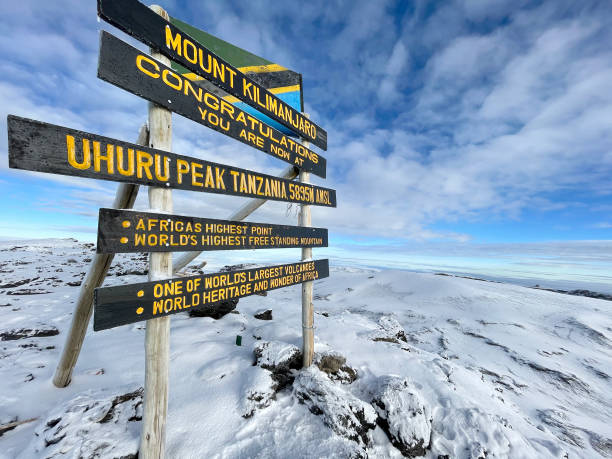
Uhuru Peak is the summit objective, but altitude response, health and mountain conditions determine how far each climber can safely continue.
Rongai provides a different side of Kilimanjaro from the more commonly discussed Machame and Lemosho approaches.
The route provides dramatic views toward Mawenzi when weather and cloud conditions allow.
A seven day schedule can provide more gradual altitude exposure and recovery opportunity than a shorter Rongai itinerary.
Seven days is a strong duration for climbers who want the Rongai Route with additional acclimatization opportunity.
The extra mountain time can be used to create a more gradual itinerary around the higher sections and Mawenzi area before continuing toward Kibo.
Important: Additional time can support acclimatization, but no route or duration can guarantee successful altitude adaptation or reaching Uhuru Peak.
| Day | Route Section | Main Trekking Focus |
|---|---|---|
| Day 1 | Rongai Gate to Simba Camp Area | Begin the northern Kilimanjaro approach at a controlled pace |
| Day 2 | Simba Camp toward Second Cave | Continue through increasingly open terrain and gain altitude gradually |
| Day 3 | Second Cave toward Kikelewa Area | Continue deeper into the northern mountain environment |
| Day 4 | Kikelewa toward Mawenzi Tarn Area | Move toward dramatic Mawenzi scenery and higher altitude terrain |
| Day 5 | Mawenzi Area toward Kibo | Continue toward the summit preparation area with careful pacing |
| Day 6 | Summit Attempt and Descent | Attempt Uhuru Peak when safe and descend toward the Marangu side |
| Day 7 | Marangu Side to Marangu Gate | Complete the final descent and finish the Kilimanjaro climb |
Itinerary note: Seven day Rongai schedules can differ in camp sequencing and acclimatization stages. The exact confirmed itinerary, guide decisions and current mountain conditions should always take priority.
The 7 Day Rongai Kilimanjaro Climb begins from the northern side of the mountain after the required entry procedures.
The opening trail introduces climbers to the Rongai environment before the route progresses toward increasingly open terrain.
Rongai provides a different perspective of Kilimanjaro because the ascent begins from the northern side rather than the southern or western approaches used by Machame and Lemosho.
The northern approach creates a distinct trekking experience before the route reaches the high mountain.
The landscapes and mountain perspectives differ from those experienced on Machame or Lemosho.
Rongai normally descends through the Marangu side rather than returning along the same northern approach.
The second trekking day continues higher through increasingly open landscapes.
As elevation increases, climbers should pay closer attention to hydration, food intake and changes in physical condition.
High altitude is the main challenge on the Rongai Route just as it is on every established Kilimanjaro trekking route.
As elevation increases, atmospheric pressure decreases and less oxygen becomes available with each breath.
Climbers should report concerning or worsening symptoms immediately to the professional mountain guide.
Physical fitness helps climbers manage consecutive trekking days and demanding terrain.
However, fitness does not guarantee how the body will respond to reduced oxygen availability.
A highly trained climber can still develop significant altitude related problems.
Every participant should therefore respect the guide's pace and report symptoms honestly.
The third trekking stage continues across the northern side of Kilimanjaro toward increasingly high mountain terrain.
The environment becomes more exposed and the scale of Mawenzi can become increasingly impressive when conditions are clear.
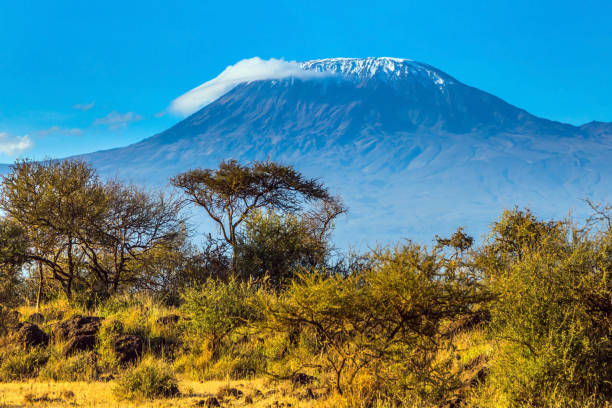
Mawenzi is one of the most dramatic visual features encountered on Rongai.
Its rugged appearance creates a striking contrast with the broader volcanic shape associated with Kibo.
Clear conditions can provide impressive views toward Mawenzi, although cloud can obscure the mountain at any time.
The route around the Mawenzi area introduces climbers to increasingly exposed terrain.
The seven day schedule can provide additional time around higher elevations before continuing toward Kibo.
Day 4 continues toward the Mawenzi area, where the environment becomes increasingly alpine.
The additional mountain time available on a seven day itinerary can support a more conservative progression before the route moves toward Kibo.
The Mawenzi stage can provide useful time at altitude before climbers continue toward the summit preparation area near Kibo.
Exact acclimatization walks and altitude patterns depend on the confirmed itinerary.
Seven day Rongai programs can include useful altitude exposure around the Mawenzi area before continuing toward Kibo.
The objective is to provide the body with additional opportunity to adapt, but no acclimatization strategy can guarantee an individual's response.
The fifth trekking day moves toward the high mountain summit preparation area.
The landscape becomes increasingly sparse and exposed as vegetation disappears and the route approaches the upper mountain.
The goal is to arrive with enough energy to eat, hydrate, prepare equipment and rest before the summit attempt.
Reduced oxygen availability makes movement significantly more demanding than at lower elevations.
The upper mountain can become extremely cold and requires appropriate layers and hand protection.
The summit attempt follows several consecutive mountain days and significant altitude exposure.
The summit attempt begins according to the professional guide team's plan and the actual condition of the climbers and mountain.
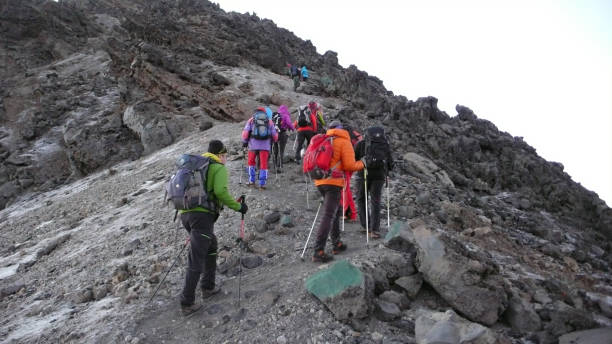
Climbers progress slowly toward the crater rim and continue toward Uhuru Peak only when their health and the guide's assessment allow.
No.
Reaching Uhuru Peak depends on altitude response, health, physical condition, fatigue, weather and other mountain circumstances.
No responsible Kilimanjaro operator should guarantee summit success.
Safety principle: Turning around when continuing becomes unsafe is a responsible mountain decision. Health must always take priority over the summit objective.
One of the distinctive characteristics of the Rongai Route is that the ascent and descent use different sides of the mountain.
After the summit attempt, climbers normally descend through the Marangu side rather than returning down the Rongai approach.
The final trekking day continues through lower mountain environments toward Marangu Gate.
After completing the required Kilimanjaro exit procedures, transport can continue toward Moshi or another confirmed destination.
A recovery night after the climb can provide useful time before safari, Zanzibar or onward international travel.
| Feature | 6 Day Rongai | 7 Day Rongai |
|---|---|---|
| Mountain Days | 6 | 7 |
| Overall Pace | More compressed | More gradual |
| Mawenzi Area | Included according to itinerary | Additional time can be allocated around higher mountain stages |
| Acclimatization Opportunity | Available | Additional opportunity |
| Recovery Time | Less | More |
| Health Observation | Available | Additional mountain time for observation |
| Summit Guarantee | None | None |
| Feature | 7 Day Rongai | 7 Day Machame |
|---|---|---|
| Approach | Northern side | Machame side |
| Accommodation | Primarily camping during ascent | Camping |
| Mawenzi Focus | Major route feature | Not a major route feature |
| Lava Tower | Not part of standard Rongai route | Normally included |
| Barranco Wall | Not included | Included |
| Descent | Normally Marangu side | Normally Mweka side |
| Summit Guarantee | None | None |
| Feature | 7 Day Rongai | 7 Day Lemosho |
|---|---|---|
| Approach | Northern side | Western side |
| Accommodation | Primarily camping during ascent | Camping |
| Main Scenic Feature | Mawenzi and northern landscapes | Shira Plateau and western landscapes |
| Lava Tower | Not normally part of standard route | Normally included |
| Barranco Wall | Not included | Included |
| Descent | Marangu side | Mweka side |
| Summit Guarantee | None | None |
Rongai and Marangu share part of the descent side but provide very different ascent experiences.
| Feature | Rongai Route | Marangu Route |
|---|---|---|
| Ascent Side | Northern side | Marangu side |
| Accommodation Style | Primarily camping during ascent | Mountain huts |
| Mawenzi Scenery | Important route feature | Different route perspective |
| Descent | Normally uses Marangu side | Uses Marangu side |
| Main Challenge | Altitude | Altitude |
| Summit Guarantee | None | None |
The standard Rongai Route is a trekking route rather than conventional technical mountaineering.
Technical rock climbing skills are not normally required.
However, climbers still face uneven terrain, consecutive trekking days, cold conditions and very high altitude.
The seven day Rongai Route remains physically and mentally demanding despite the additional acclimatization opportunity.
Climbers walk for several consecutive days and must continue recovering between mountain stages.
Altitude can affect any climber regardless of age, fitness or previous athletic experience.
The final ascent combines very high altitude, cold, fatigue and trekking during darkness.
Some first time high altitude trekkers choose Rongai, but beginners should prepare seriously before travelling.
Climbers should arrive with enough endurance for repeated trekking days and a demanding summit attempt.
Extreme athletic fitness is not required, but appropriate physical preparation helps with the trekking demands of the route.
Fitness does not eliminate altitude risk.
Long walking sessions help prepare feet, legs and general endurance for repeated trekking days.
Uphill and downhill walking helps prepare for both the climb and long descent.
Consecutive training days help the body become accustomed to walking before complete recovery.
Professional mountain guides should monitor climber condition throughout the expedition.
Climbers should never hide symptoms simply because they want to continue toward the summit.
The mountain guide needs accurate information to make responsible decisions.
Emergency oxygen can support the mountain safety system where specified in the confirmed arrangements.
It should not be treated as a way to force an unsafe summit attempt.
If descent becomes necessary, moving toward lower altitude takes priority.
A climber who cannot safely continue may need to descend with appropriate mountain crew support.
The remaining climbers may continue according to the professional guide team's operational and safety plan.
Actual evacuation arrangements depend on the climber's condition, route location and circumstances at the time.
Kilimanjaro weather can change quickly regardless of the route chosen.
No route can guarantee dry weather, clear mountain views or ideal summit conditions.
Mount Kilimanjaro can be climbed during different periods of the year, although rainfall and weather patterns influence trail conditions, visibility and temperatures.
| Factor | Why It Matters | Important Reality |
|---|---|---|
| Rainfall | Can affect trail and clothing conditions | Weather remains unpredictable |
| Temperature | Higher areas can become extremely cold | Cold summit conditions can occur during different seasons |
| Cloud | Influences Mawenzi and Kilimanjaro views | Clear views cannot be guaranteed |
| Trail Conditions | Rain can make sections wet or slippery | Conditions can change quickly |
| Mountain Traffic | Route use varies by travel period | Exact numbers cannot be assumed |
The trek begins through lower mountain vegetation before moving toward more open terrain.
The landscape becomes increasingly open as altitude increases.
Rugged Mawenzi scenery and increasingly sparse vegetation characterize the higher route.
Very high altitude, cold and wind dominate the final approach toward the summit region.
Rongai primarily uses camping accommodation during the ascent.
The descent connects with the Marangu side, and exact sleeping arrangements should follow the confirmed itinerary.
A suitably warm sleeping bag is important because mountain nights can become very cold.
Climbers can bring their own suitable sleeping bag or arrange rental equipment where available.
Exact rental inventory, specifications and availability should be confirmed before departure.
A private portable toilet can be arranged when specifically included or requested in the confirmed package.
Travellers should not assume that it is automatically included in every Rongai Route booking.
Porters carry group equipment and the climber's approved mountain duffel according to confirmed arrangements and applicable mountain rules.
Each climber carries a personal daypack containing the items required during the trekking day.
Trekking poles can improve balance on uneven, rocky, wet or steep trail sections.
They can also reduce some impact on the knees during the long descent through the Marangu side.
The summit attempt normally involves trekking during darkness.
A reliable headlamp and suitable spare power are therefore important pieces of summit equipment.
Normal electrical charging should not be relied upon during mountain camping stages.
Power banks and spare batteries can be useful for phones, cameras and compatible headlamps.
Mountain meals provide energy for consecutive trekking days and should follow the confirmed package.
Important dietary requirements should be communicated before mountain departure.
Special dietary arrangements should be confirmed before the climb begins.
Regular hydration is an important part of the mountain routine.
Climbers should follow professional guide advice regarding fluid intake throughout the route.
Mountain drinking water arrangements should follow the confirmed package and crew procedures.
The exact crew size depends on the number of climbers and confirmed expedition requirements.
Guides monitor climber condition as the route moves toward higher elevations.
The professional guide manages the trekking pace according to climber health and mountain conditions.
The guide can stop an ascent or require descent whenever continuing becomes unsafe.
A responsible Kilimanjaro climb should respect porter luggage limits, suitable equipment, food and appropriate working conditions.
Climbers should remain within the confirmed porter luggage allowance and avoid packing unnecessary weight.
A private Rongai climb is organized for the confirmed booking party rather than combining unrelated climbers into the same mountain booking.
The professional guide and support crew are organized according to the confirmed private booking.
The guide manages the booking party's overall pace while still evaluating each climber individually.
Briefing, transfers, accommodation, safari and onward travel can be coordinated around the private booking.
A group joining Rongai departure may be possible when compatible confirmed climbers have matching travel dates and the same seven day route.
Group joining should not be described as available every day unless an appropriate confirmed departure actually exists.
| Feature | Private Rongai | Group Joining Rongai |
|---|---|---|
| Booking Arrangement | Dedicated to booking party | Compatible confirmed climbers trek together |
| Departure Date | More flexible | Depends on confirmed departure |
| Itinerary | Confirmed for private booking | Follows agreed group itinerary |
| Pacing | Managed around private group condition | Managed around group progress while protecting individual safety |
| Summit Guarantee | None | None |
Solo climbers can book Rongai privately or join a compatible confirmed departure when available.
A private arrangement offers greater logistical flexibility, while joining can distribute selected shared expedition costs.
Couples can climb privately or join compatible confirmed climbers.
A private climb can make it easier to coordinate accommodation, transfers, briefing, safari and onward travel around two travellers.
Friends travelling together can organize a private Rongai mountain team according to the confirmed group size.
Training together before Tanzania can help the group understand differences in walking pace, endurance and equipment requirements.
Climbers with medical concerns should discuss the planned high altitude trek with an appropriately qualified healthcare professional before travel.
Some climbers discuss acetazolamide with their healthcare professional before travelling.
Medication decisions should be made with appropriate medical guidance rather than relying on a trekking operator to prescribe treatment.
Medication does not replace gradual acclimatization, health monitoring or descent when descent becomes medically necessary.
Travellers should arrange insurance suitable for Tanzania and the planned high altitude trekking activity.
The insurance provider should confirm exact terms and applicable altitude coverage.
Selected trekking equipment may be available for rental according to confirmed inventory.
Exact sizes, specifications, condition and availability should be confirmed before mountain departure.
A pre climb briefing allows climbers and the professional mountain guide to review the Rongai itinerary, equipment and safety procedures before departure.
Many Kilimanjaro packages include or arrange accommodation in Moshi before the mountain according to the confirmed booking.
A pre climb stay provides time to rest after travel, attend the mountain briefing, organize luggage and resolve trekking equipment requirements.
A hotel night after completing Kilimanjaro can provide useful recovery time before safari, Zanzibar or international travel.
The Rongai Route can be combined with a Northern Tanzania wildlife safari after the climb.
A recovery night in Moshi can be useful before beginning several days of safari road travel.
Safari provides a completely different Tanzania experience after several physically demanding mountain days.
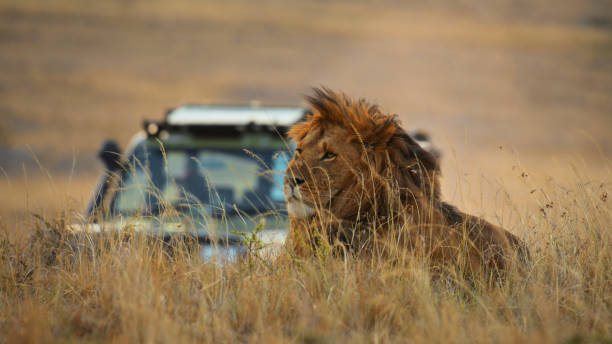
Travellers can move from Kilimanjaro's alpine landscapes into Northern Tanzania wildlife destinations such as Tarangire, Serengeti and Ngorongoro.
The best safari duration depends on available time, budget and onward travel plans.
The Rongai climb can also be combined with Zanzibar for travellers who want beach recovery after Kilimanjaro.
Ground transportation and scheduled domestic flights should be coordinated according to the confirmed itinerary.
Exact flight schedules, departure points, baggage conditions and availability should be confirmed for the actual travel dates.
It may be possible when the confirmed travel schedule provides sufficient margin.
However, a very tight international connection immediately after completing the mountain can create unnecessary pressure.
A recovery night can provide additional flexibility when the travel schedule allows.
Yes. Seven days can provide additional acclimatization and recovery opportunity compared with a more compressed Rongai itinerary.
The Rongai Route approaches Mount Kilimanjaro from the northern side.
The route normally descends through the Marangu side and finishes at Marangu Gate.
No. A standard Rongai itinerary approaches from the north and normally descends through the Marangu side.
The Mawenzi area and its dramatic scenery are important features of many Rongai itineraries.
No. Lava Tower is associated with routes such as Machame and Lemosho rather than the standard Rongai itinerary.
No. Barranco Wall is not part of the standard Rongai Route.
The Rongai ascent primarily uses mountain camping. Exact descent sleeping arrangements should follow the confirmed itinerary.
No conventional technical mountaineering experience is normally required for the standard Rongai trekking route.
It remains demanding because of repeated trekking days, high altitude, cold summit conditions and the final ascent.
Some first time high altitude trekkers choose Rongai, but serious training and understanding of altitude risk remain important.
The seven day version provides additional mountain time that can support acclimatization, recovery and health observation.
No. Seven days provides additional opportunity, but individual altitude response varies.
No. No responsible Kilimanjaro route can guarantee summit success.
Yes. Physical fitness and altitude acclimatization are different.
Tell the professional mountain guide immediately and describe the symptoms accurately.
Health monitoring can include symptom discussions, physical observation and pulse or oxygen saturation checks according to the operator's procedures.
Emergency oxygen can form part of the mountain safety system where specified, but it does not replace descent when descent becomes necessary.
A climber may need to descend with appropriate mountain crew support whenever continuing upward becomes unsafe.
Sleeping bag rental may be available according to confirmed inventory and arrangements.
Sleeping mats can be provided according to the confirmed Kilimanjaro package.
Selected trekking equipment may be available for rental subject to confirmed availability.
Only when specifically stated in the confirmed package. It should not be assumed automatically.
Porters carry the approved mountain duffel and group equipment according to confirmed arrangements, while climbers carry their personal daypacks.
Carry water, rain protection, warm layers, snacks, sun protection, personal medication and other items needed during the trekking day.
Trekking poles can improve balance and reduce some impact during steep or long descents.
Yes. A reliable headlamp is important because the summit attempt normally involves trekking during darkness.
Normal electrical charging should not be relied upon during camping stages, so a suitable power bank is useful.
Mountain meals can be included according to the confirmed Rongai package.
Vegetarian and other dietary requirements can often be arranged when communicated and confirmed before departure.
Mountain drinking water arrangements should follow the confirmed package and crew procedures.
Yes. A private Rongai climb can be organized for the confirmed booking party.
Possibly. Group joining depends on compatible confirmed climbers, matching dates, the same seven day itinerary and available space.
No. A joining departure should only be considered available when compatible confirmed climbers and arrangements exist.
Yes. Solo travellers can book privately or join a compatible confirmed group where available.
Yes. A private mountain arrangement can be organized for two climbers according to the confirmed package.
Regular hiking, long walks, hill training, cardiovascular endurance, leg strength and back to back walking days can help prepare for the climb.
Travellers should arrange suitable insurance and confirm that the policy covers the planned high altitude trekking activity.
Medication decisions should be discussed with an appropriately qualified healthcare professional before travelling.
Yes. Tarangire, Serengeti, Ngorongoro and other Northern Tanzania safari destinations can be added after Kilimanjaro.
A recovery night in Moshi can be useful after the climb before beginning a multi day road safari.
Yes. Ground transportation and suitable scheduled domestic flights can connect Kilimanjaro with Zanzibar according to the confirmed itinerary.
It may be possible when sufficient travel margin exists, but a very tight connection immediately after mountain descent can create unnecessary pressure.
A 7 Day Rongai Kilimanjaro Climb is a strong choice for travellers who want to approach Mount Kilimanjaro from the northern side and experience a route that feels different from Machame and Lemosho.
The journey begins through the Rongai side of the mountain before progressing through increasingly open terrain toward Second Cave, Kikelewa and the dramatic Mawenzi area.
The seven day structure provides additional mountain time that can support acclimatization, recovery and health observation before climbers continue toward Kibo.
Rongai does not use Lava Tower or Barranco Wall, making its route profile significantly different from Machame and Lemosho.
After the summit attempt, the trek normally descends through the Marangu side rather than returning down the northern approach.
The summit stage remains demanding because climbers face very high altitude, cold, darkness, reduced oxygen availability and accumulated fatigue.
Professional guiding, conservative pacing, hydration, nutrition, suitable trekking equipment and honest symptom reporting remain essential throughout the climb.
Professional guides, assistant guides where required, cook, porters, camping arrangements, meals, drinking water, transfers and applicable Kilimanjaro park arrangements should follow the confirmed package.
Private Rongai climbs can be organized for one booking party, while group joining depends on compatible confirmed climbers and matching departure dates.
Health monitoring and emergency oxygen can support the mountain safety system where specified, but neither replaces descent when continuing becomes unsafe.
Reaching Uhuru Peak cannot be guaranteed because altitude response, health, fatigue, weather and mountain conditions differ between climbers.
The strongest seven day Rongai experience therefore combines a distinctive northern approach, Mawenzi scenery, responsible acclimatization, professional mountain leadership and safety focused summit decision making.
Seven Days. Rongai. Mawenzi. Kibo. Kilimanjaro.
Share your preferred climbing dates, number of climbers, private or group preference, trekking equipment requirements, safari plans and onward travel details and our local mountain team will prepare a 7 Day Rongai Kilimanjaro Climb around your confirmed itinerary.
Plan Your 7 Day Rongai Kilimanjaro Climb
Discover flexible wildlife itineraries across Tanzania's most iconic safari destinations.
Explore Safaris
Enjoy flexible travel with a dedicated vehicle, professional guide and itinerary built around your interests.
View Private Safaris
Combine Tanzania's wildlife with carefully selected lodges, camps and personalized travel arrangements.
View Luxury SafarisUse this itinerary as a starting point and share your preferred dates, group size, destinations and comfort level. Our team can adjust the trip around your travel plans.
Continue exploring journeys that match this itinerary.