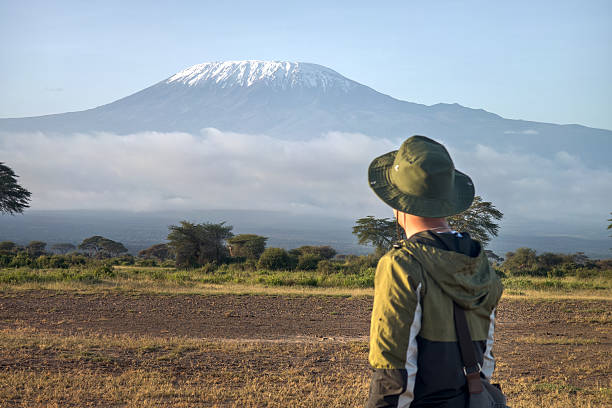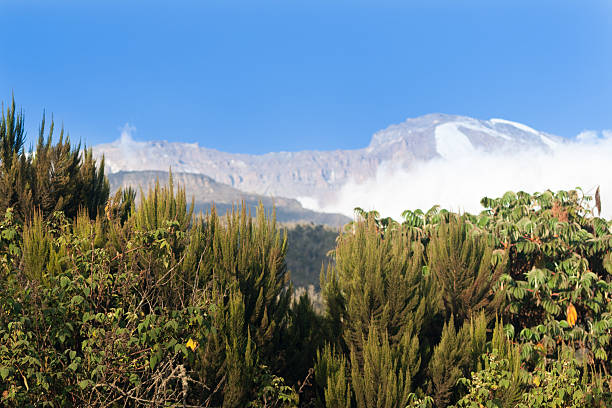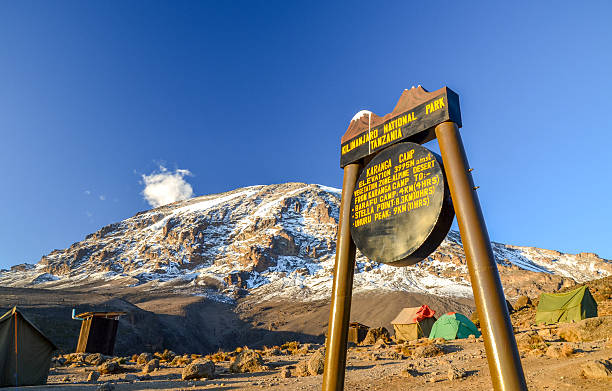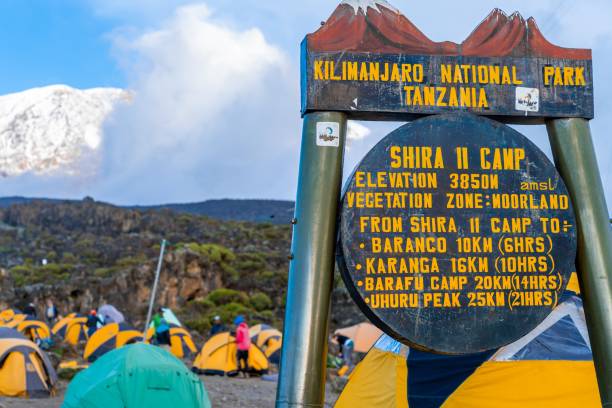

Tanzania Safari Packages
Discover flexible wildlife itineraries across Tanzania's most iconic safari destinations.
Explore Safaris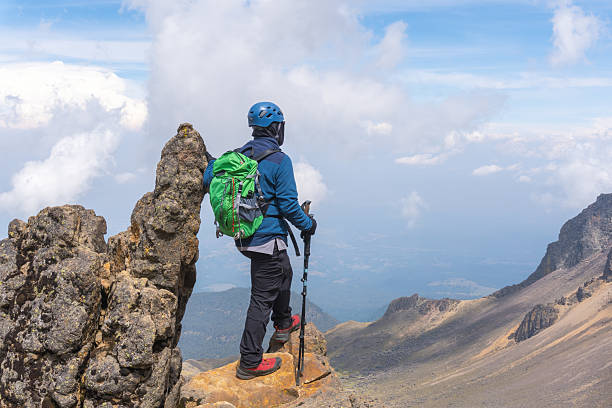
Best-Value 5 Day Kilimanjaro Trek via the classic Marangu Route with professional mountain guides, hut accommodation, meals, transfers and a planned Uhuru Peak summit attempt.
The Best-Value 5 Day Kilimanjaro Trek is designed for travellers who want a professionally supported Kilimanjaro summit expedition while carefully balancing route duration, essential services, accommodation style and overall trip cost.
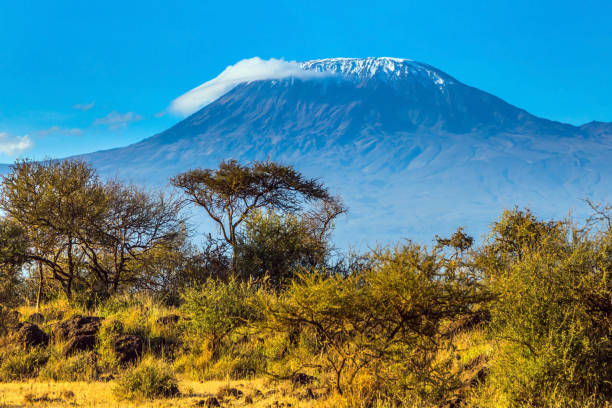
The classic Marangu Route begins in lush rainforest, progresses through heath and moorland toward Horombo, continues through increasingly exposed alpine terrain toward Kibo and includes a planned Uhuru Peak summit attempt before the long descent.
Best-value does not mean the absolute cheapest climb. It means receiving the mountain services that matter while avoiding unnecessary costs and clearly understanding what is included before booking.
Keep professional mountain leadership as a core part of the package.
Use a compact classic itinerary where it suits the climber's goals and preparation.
Marangu hut accommodation provides a different mountain format from camping routes.
Meals and water arrangements remain important regardless of price level.
Include the transportation actually needed rather than paying for duplicate services.
Evaluate the complete package rather than only the headline price.
A very low headline price may exclude important services that another quotation already includes.
Airport or mountain transfers, hotel nights, equipment rental, meals or other logistics can change the real final cost.
Best-value means comparing what you actually receive for the total confirmed price.
| Value Area | Practical Approach |
|---|---|
| Route Duration | Choose five days when the compact format genuinely suits your goals |
| Group Departure | Join a compatible group where available if cost-sharing matters |
| Private Trek | Pay for dedicated service when privacy and personalized pacing matter more |
| Equipment | Rent suitable specialist items instead of buying everything |
| Hotels | Include the nights actually required for practical logistics |
| Transfers | Avoid duplicate transport services while keeping the trip well coordinated |
| Extras | Add optional comforts only when they provide value to your trip |
Mountain leadership should not be compromised for a cheaper headline price.
Required mountain arrangements need to be handled correctly.
Appropriate mountain food remains part of a properly supported trek.
Drinking water logistics remain important throughout the climb.
Suitable mountain equipment should never be sacrificed simply to save money.
Cost should never override professional decisions to stop or descend.
Ideal for travellers comparing overall value instead of luxury extras.
Suitable physically prepared beginners can consider the compact route.
Ask about private or compatible group departures.
Choose private or shared arrangements according to budget and preference.
Share a classic five-day mountain challenge together.
Choose Marangu if sleeping in mountain huts appeals more than camping.
| Priority | Better Option to Compare |
|---|---|
| More Acclimatization Time | A longer Marangu or another extended Kilimanjaro route |
| More Mountain Days | A longer summit itinerary |
| Camping Experience | Machame, Lemosho or another camping route |
| Compact Hut-Based Trek | The five-day Marangu itinerary may offer better fit and value |
Morning pickup: Meet your driver and trekking team according to the confirmed arrangements.
Transfer: Travel toward the Marangu side of Mount Kilimanjaro.
Mountain procedures: Complete applicable entry and trekking arrangements.
Guide introduction: Meet the professional mountain team supporting your climb.
Briefing: Review pace, weather, hydration, equipment and communication.
Begin trekking: Enter Kilimanjaro's lush montane rainforest.
Forest environment: Walk among dense vegetation, ferns, moss and large trees.
Professional pacing: Begin steadily rather than wasting energy early.
Possible wildlife: Birds or monkeys may appear naturally, but sightings cannot be guaranteed.
Weather: Rain, mist and muddy trail conditions can occur.
Rest and hydration: Pause according to the practical trekking schedule.
Continue upward: Progress toward the first mountain hut area.
Evening: Change into dry and warm clothing.
Dinner: Eat according to the confirmed meal plan.
Overnight: Mandara-area mountain hut according to the confirmed itinerary.
Breakfast: Prepare for the second trekking day.
Guide check: Discuss sleep, energy, weather and participant condition.
Continue upward: Leave the dense rainforest behind.
Vegetation transition: Enter increasingly open heath and moorland terrain.
Possible Kibo views: Higher Kilimanjaro may become visible when conditions permit.
Controlled pace: Continue steadily as elevation increases.
Hydration: Maintain appropriate drinking throughout the day.
Rest: Take practical breaks according to the mountain schedule.
Continue toward Horombo: Reach the next hut area.
Evening: Change into warm layers and recover.
Dinner: Eat according to the confirmed package.
Overnight: Horombo-area mountain hut.
Morning: Eat breakfast and prepare for higher Kilimanjaro.
Guide assessment: Discuss participant wellbeing before continuing upward.
Continue higher: Trek through increasingly sparse vegetation.
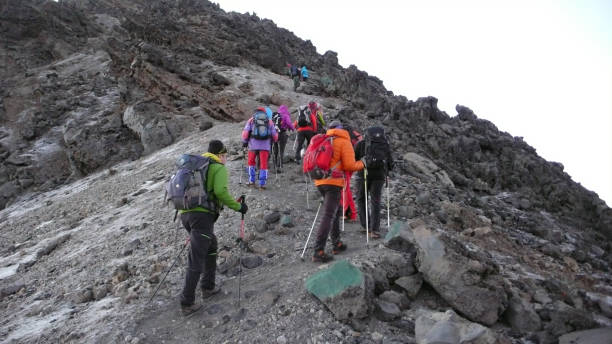
Landscape: The environment becomes drier, more exposed and increasingly alpine.
Kibo: The higher mountain may dominate the landscape when visibility allows.
Slow pace: Controlled walking becomes increasingly important.
Altitude communication: Report headache, nausea, unusual dizziness, weakness or other concerning symptoms promptly.
Food and hydration: Continue according to the practical mountain plan.
Reach Kibo: Arrive in the high-altitude hut environment.
Summit briefing: Review headlamp, warm clothing, water, snacks, pacing and the summit plan.
Equipment preparation: Organize essential summit gear before resting.
Overnight/rest: Kibo-area mountain hut according to the confirmed itinerary.
Summit preparation: Dress in suitable high-altitude layers and organize personal equipment.
Departure: Begin according to the professional guide's planned schedule and actual mountain conditions.
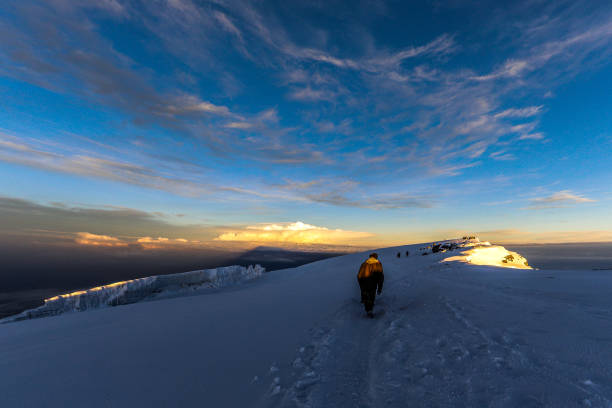
Pre-dawn ascent: Progress slowly through dark, cold and demanding high-altitude terrain.
Headlamp: Use reliable lighting during the dark section.
Controlled pacing: Follow professional mountain guidance.
Cold: Prepare for potentially severe summit temperatures.
Altitude: Communicate any significant change in condition immediately.
Higher mountain: Continue toward the crater-rim area when conditions and participant wellbeing permit.
Uhuru Peak objective: Continue toward the summit only while the guide considers it appropriate.
Summit photographs: If Uhuru Peak is reached, take photographs when conditions and participant wellbeing allow.
Responsible turnaround: Altitude response, fatigue, weather or professional mountain decisions may require descent before the summit.
Descent: Return carefully toward Kibo.
Recovery: Rest and refuel according to the mountain plan.
Continue downward: Trek farther toward Horombo.
Overnight: Horombo-area mountain hut according to the confirmed itinerary.
Breakfast: Begin the final mountain day after the confirmed morning meal.
Long descent: Continue toward lower elevations.
Changing landscapes: Watch alpine terrain transition back toward moorland and greener vegetation.
Rainforest return: Re-enter Kilimanjaro's lush forest.
Trail conditions: Roots, mud and slippery sections may require careful movement.
Trekking poles: Poles can provide useful support during the descent.
Possible wildlife: Forest birds or monkeys may appear naturally.
Mountain exit: Complete applicable exit procedures.
Meet your vehicle: Continue according to the confirmed transportation arrangement.
Final transfer: Return to Moshi, Arusha, hotel, airport or another agreed destination according to the package.
This is a full high-altitude Kilimanjaro itinerary rather than a lower-mountain short trek.
The route progresses through Kibo into the planned summit stage.
Uhuru Peak remains an objective rather than a guaranteed result.
The package includes a planned Uhuru Peak attempt.
Provides a complete ascent and descent within a compact structure.
Marangu removes the camping accommodation format.
Core mountain leadership remains part of the experience.
Mountain services can be coordinated under one package.
Add only the optional services that provide value to your trip.
Five days is a relatively compact acclimatization schedule.
Travellers who strongly prioritize additional acclimatization time may obtain better personal value from spending more on a longer route.
Choose value based on suitability—not simply the smallest total number.
| Feature | 5-Day Marangu | Longer Marangu |
|---|---|---|
| Mountain Duration | Compact | Additional mountain time |
| Overall Cost Potential | Can be lower due to fewer days | Usually higher because of additional days |
| Hut Accommodation | Yes | Yes |
| Summit Objective | Uhuru Peak | Uhuru Peak |
| Acclimatization Opportunity | More limited | Greater opportunity from additional mountain time |
| Best Value For | Well-prepared travellers prioritizing compact duration | Travellers prioritizing additional acclimatization |
| Feature | Marangu | Machame |
|---|---|---|
| Accommodation | Mountain huts | Camping |
| Route Style | Classic hut-based trekking | Camping-based trekking |
| Summit Objective | Uhuru Peak | Uhuru Peak |
| Value | Depends on complete package and traveller priorities | Depends on complete package and traveller priorities |
| Best Choice | For travellers preferring huts and Marangu's format | For travellers preferring a camping expedition |
It should not be described as universally cheapest without comparing current complete packages.
Route duration, group size, hotel arrangements, transport, equipment, service level and inclusions all affect total cost.
Compare complete quotations rather than relying only on route names or advertised starting prices.
The route uses practical mountain huts.
Expect trekking accommodation rather than luxury lodging.
Huts make Marangu different from camping routes.
No. They are functional mountain trekking facilities.
Not automatically.
A private trek can provide dedicated guide and transport arrangements where confirmed.
Marangu mountain sleeping facilities may still be shared.
Private hut rooms should only be considered included when explicitly confirmed.
Not automatically.
A private portable toilet should only be considered included when specifically written into the confirmed package.
Best-value should not imply paying for optional services you do not actually want.
A suitable warm sleeping bag is normally important on the Marangu Route.
Yes, especially when purchasing expensive specialist equipment for one expedition would provide little future use.
Rental can be practical where suitable equipment is available.
Renting can avoid buying equipment used only occasionally.
Suitable rental may reduce purchasing costs where fit and quality are appropriate.
| Challenge | What to Expect |
|---|---|
| Five Consecutive Days | Cumulative physical effort |
| Altitude | A major challenge regardless of package price |
| Summit Stage | Long, cold and demanding |
| Weather | Rain, wind, cloud and severe summit cold are possible |
| Terrain | Changes from rainforest to increasingly exposed alpine ground |
| Descent | Long downhill trekking can be tiring |
| Technical Climbing | Normally not required on the standard route |
Suitable physically prepared first-time climbers can consider the itinerary with professional guidance.
Good preparation does not necessarily require expensive specialist training.
Develop steady endurance.
Use accessible terrain where available.
A practical option when hills are unavailable.
Prepare for repeated trekking effort.
Support ascent and descent.
Train with realistic daily hiking weight.
Budget, premium and private climbers all enter the same high-altitude environment.
Headache, nausea, unusual dizziness, weakness, confusion, balance problems or unusual breathing difficulty should be reported promptly.
Do not hide symptoms because you want to maximize the perceived value of the trip.
Participant wellbeing remains more important than the summit or money already spent.
Avoid wasting strength early in the expedition.
Maintain a sustainable trekking rhythm.
Higher elevations should not be treated as a race.
Preserve useful energy for the most demanding stage.
Support a controlled trekking rhythm.
Guide climbers through changing mountain terrain.
Encourage honest participant feedback.
Respond to changing mountain conditions.
Explain practical route and environmental features.
Stop continued ascent when it is no longer appropriate.
Professional guidance contributes to pacing, route understanding, communication and practical mountain decisions.
Removing essential mountain support simply to reduce the advertised price can create poor overall value.
Save money on optional luxuries—not on the essential structure of the climb.
The summit stage remains serious regardless of how efficiently the package is priced.
The planned ascent normally begins before daylight.
Cold, darkness, fatigue and high altitude make this the hardest part of the itinerary.
Professional mountain guidance remains central throughout the summit attempt.
Uhuru Peak is the objective, but responsible turnaround decisions remain part of the expedition.
The standard Marangu Route is generally a high-altitude trekking route rather than a technical climbing route.
Technical rock-climbing equipment is not normally required on the standard itinerary.
Suitable boots, waterproof clothing, warm summit layers and reliable lighting remain important.
Follow the confirmed equipment list for the actual departure.
Keep drinking water accessible.
Keep waterproof protection within easy reach.
Prepare for changing temperatures.
Carry familiar personal energy where appropriate.
Carry sunscreen, hat and sunglasses.
Keep important daily items with you.
Relevant porter support can be included according to the confirmed package, group size and applicable mountain arrangements.
Your main duffel should follow the confirmed porter luggage allowance.
Your personal daypack remains with you while hiking.
Best-value does not mean unlimited porter luggage or removing appropriate crew support.
Stay better protected during wet lower-mountain conditions.
Keep critical insulation dry.
Protect your sleeping bag from moisture.
Protect phones, cameras and power banks.
For many climbers, yes, particularly when rental is available.
Support stability on uneven ground.
Provide support on slippery rainforest trail.
Help during sustained downhill trekking.
Yes. A reliable headlamp is important for the pre-dawn summit stage.
Travellers should not rely on regular mountain charging facilities.
Good value should never mean inadequate trekking food.
Can be provided according to the confirmed itinerary.
Trail or hut arrangements vary by day.
Evening meals can be provided at confirmed overnight locations.
Familiar personal snacks can be useful during the summit stage.
Drinking water arrangements can follow the confirmed package.
Communicate important requirements before departure.
| Mountain Zone | Possible Conditions |
|---|---|
| Rainforest | Rain, mist, humidity and mud |
| Heath & Moorland | Sun, cloud, wind and changing temperatures |
| High Alpine Terrain | Drier, colder and increasingly exposed conditions |
| Kibo | Cold nights and significant temperature variation |
| Summit Stage | Potentially severe cold, wind and reduced visibility |
Budget and premium climbers experience the same natural mountain weather.
A stronger package can improve preparation and logistics.
It cannot guarantee sunshine, low wind or clear summit views.
Kilimanjaro's lower rainforest supports naturally occurring wildlife.
Wildlife remains free-ranging and sightings cannot be guaranteed.
No.
The Marangu Route is primarily a mountain expedition rather than a wildlife safari.
Animals may appear naturally in the rainforest.
Specific wildlife sightings should never be treated as guaranteed package benefits.
Capture lush vegetation and misty mountain conditions.
Document Marangu's distinctive mountain accommodation.
Photograph increasingly open landscapes.
Capture the high mountain when visibility permits.
Take photographs when conditions and participant wellbeing allow.
Document the complete journey rather than only the summit.
No. A smartphone or camera you already know how to use may provide excellent practical value.
Protect electronics from rain and cold.
Carry suitable backup power.
Do not purchase expensive photography equipment solely because you believe it is required for Kilimanjaro.
A private itinerary may provide better value for travellers who prioritize dedicated service, privacy and group-specific pacing.
Professional attention can focus on your booking where confirmed.
Walk according to your party's realistic ability.
Road transportation can be private where confirmed.
Pay more only when private service matters to your experience.
No.
A private trek may provide better value for travellers wanting dedicated attention and flexibility.
A group-joining trek may provide better value for travellers prioritizing lower per-person cost.
Neither format is automatically better for everyone.
A solo traveller may value privacy enough to choose a private trek.
Another solo traveller may prefer a group departure to share some logistics and reduce cost.
Solo-friendly still means professionally supported trekking rather than unsupported solo climbing.
Keep professional arrangements within your party where confirmed.
Group size can influence how some trip costs are distributed.
Suitable families may consider the route after participant ages, current requirements, fitness and altitude suitability are reviewed.
A Northern Tanzania safari can be added before or after the climb.
Safari duration, accommodation style and private or shared arrangements affect total cost.
Wildlife remains free-ranging and sightings cannot be guaranteed.
Compare the complete combined itinerary rather than booking each part only by the lowest advertised price.
Invest in appropriate mountain support and equipment.
Choose private or shared logistics based on priorities and budget.
Select island accommodation and activities according to the remaining budget.
Possibly, if you already have suitable accommodation.
Ask for a quotation separating mountain services from hotel nights where appropriate.
However, practical rest before and after the mountain may provide more value than simply eliminating every hotel expense.
Possibly, when you already have reliable transportation.
Compare the actual saving against the convenience of coordinated arrival and departure logistics.
Removing a transfer only provides value when you have an effective replacement plan.
Sometimes an airport transfer may be possible, but tight flight planning can create unnecessary risk and stress.
Mountain finishing times can vary.
Trail conditions and road traffic may affect timing.
Participants may be tired after five mountain days.
A sensible buffer can offer better overall value than rushing the final descent.
Value should not be determined by price alone when selecting travel dates.
Traditionally clearer periods may provide more opportunities for mountain views.
Wetter periods may create lush rainforest conditions together with more rain and mud.
Summit cold remains possible throughout the year.
No travel period guarantees perfect weather, clear Kibo views or summit success.
| Comparison Point | Why It Matters |
|---|---|
| Total Price | Shows the actual financial commitment |
| Park Arrangements | Understand what compulsory mountain costs are included |
| Guide & Crew Support | Compare the actual professional mountain service |
| Meals & Water | Confirm essential trekking logistics |
| Accommodation | Understand huts and any hotel nights |
| Transfers | Check airport, hotel and mountain transport |
| Equipment | Separate included equipment from rentals |
| Optional Costs | Identify what may increase the final price later |
A cheaper quote may exclude transport, hotels or equipment that another package includes.
A more expensive quote may contain services you do not actually need.
Best value comes from matching the package to your actual travel requirements.
Travel insurance is normally a personal traveller responsibility unless explicitly included.
It is a five-day Marangu Route summit itinerary designed around a practical balance of professional support, essential logistics, route duration and total package cost.
No. Best-value means balancing cost with the services and inclusions that matter to the trip.
No single package is objectively best for every traveller because priorities, schedules and acclimatization preferences differ.
The itinerary follows the classic Marangu Route.
The itinerary includes five trekking days.
Yes. Uhuru Peak is the planned summit objective.
No. Summit success cannot be guaranteed.
Fewer mountain days can reduce some total logistics and accommodation costs.
No. The compact acclimatization schedule should also be considered carefully.
Yes, particularly for travellers who value additional acclimatization time more than the lowest total trip cost.
Yes. Mountain huts are a defining feature of the Marangu Route.
No. They are functional mountain trekking facilities.
Not automatically. They should only be considered included when specifically confirmed.
Only when explicitly confirmed in the booking.
A suitable warm sleeping bag is normally important and should be confirmed as included, rented or personally supplied.
Yes, especially for specialist items you are unlikely to use frequently after Kilimanjaro.
Properly fitted and broken-in personal boots are often preferable because footwear comfort is highly individual.
Technical mountaineering is not normally required on the standard Marangu Route.
Suitable physically prepared first-time climbers can consider it with professional guidance.
Yes. Walking endurance, hills, stairs and consecutive active days can improve preparation.
No. Consistent walking, hills, stairs and endurance training can provide useful preparation.
Altitude is one of the major challenges together with summit cold, fatigue and the compact schedule.
Yes. General fitness does not guarantee altitude tolerance.
Tell your professional mountain guide promptly rather than hiding symptoms.
Yes. The guide may require stopping or descending when continuing is considered inappropriate.
It can be extremely cold compared with lower mountain sections.
Yes. A reliable headlamp is important for the pre-dawn summit stage.
Mountain meals can be included according to the confirmed package.
Drinking water arrangements can be included according to the confirmed itinerary.
Common dietary requirements can normally be considered when communicated in advance.
Porter support can be included according to the confirmed package and luggage arrangements.
You normally carry a daypack with water, rain gear, warm layers, snacks and personal essentials.
Travellers should not rely on regular mountain charging and should carry suitable backup power.
Compatible group departures may improve cost-sharing where available.
No. Private trekking can provide strong value for travellers who prioritize privacy, dedicated guidance and personalized logistics.
Yes. Solo travellers can request private or compatible group arrangements.
Yes. Private professional arrangements can be prepared for couples according to the confirmed package.
Suitable families may consider it after participant ages, current requirements, fitness and altitude suitability are confirmed.
Possibly, when you already have practical accommodation arrangements and the final package allows separation.
Possibly, when you already have reliable transportation and the package permits it.
No. Compare inclusions, exclusions, logistics and professional support before deciding.
No. Wildlife is free-ranging and mountain visibility depends on natural weather conditions.
Yes. Northern Tanzania safari options can be added according to the wider itinerary.
Yes. Zanzibar can be added according to your complete Tanzania travel plan.
Yes. Professional mountain guiding, relevant trekking crew support, applicable mountain arrangements, Marangu hut accommodation, meals, drinking water arrangements, transfers and other confirmed services can be coordinated into a value-focused package with clearly stated inclusions and exclusions.
The Best-Value 5 Day Kilimanjaro Trek combines the classic Marangu Route, professional mountain guidance, practical hut accommodation and a planned Uhuru Peak summit attempt within a compact five-day itinerary.
The journey begins through lush rainforest, progresses through heath and moorland toward Horombo, continues through increasingly exposed high-altitude terrain toward Kibo and enters the demanding summit stage before the long descent.
Best-value should describe the balance between price, route duration, professional support, accommodation, meals, transfers and other confirmed services rather than claiming the absolute lowest price.
Travellers can improve overall value by comparing complete quotations, joining compatible group departures where suitable, renting selected specialist equipment and avoiding optional extras they do not need.
However, professional mountain guidance, appropriate trekking support, suitable food and water arrangements and essential warm and waterproof equipment should never be compromised simply to reduce cost.
Five days remains a relatively compact acclimatization schedule, so spending more for a longer route may actually represent better personal value for travellers who prioritize additional mountain time.
Marangu's huts provide practical mountain accommodation, but private rooms and optional comfort facilities should only be treated as included when specifically confirmed.
Uhuru Peak is the planned summit objective, but altitude, weather, fatigue and individual response mean reaching it can never be guaranteed.
For solo travellers, couples, friends and suitable private or group climbers who carefully compare inclusions and want professional Kilimanjaro support without unnecessary extras, the Best-Value 5 Day Kilimanjaro Trek can provide a strong balance of cost, logistics and genuine mountain experience.
Strong Overall Value. Essential Mountain Support. One Uhuru Peak Objective.
Share your preferred climbing dates, number of climbers, hiking experience, fitness level, private or group preference, equipment needs, hotel requirements, airport arrangements and wider Tanzania travel plans and our team will prepare a Best-Value 5 Day Kilimanjaro Trek package based on the services that provide the strongest practical value for your trip.
Plan Your Best-Value 5 Day Kilimanjaro Trek
Discover flexible wildlife itineraries across Tanzania's most iconic safari destinations.
Explore Safaris
Enjoy flexible travel with a dedicated vehicle, professional guide and itinerary built around your interests.
View Private Safaris
Combine Tanzania's wildlife with carefully selected lodges, camps and personalized travel arrangements.
View Luxury SafarisUse this itinerary as a starting point and share your preferred dates, group size, destinations and comfort level. Our team can adjust the trip around your travel plans.
Continue exploring journeys that match this itinerary.