
Tanzania Safari Packages
Discover flexible wildlife itineraries across Tanzania's most iconic safari destinations.
Explore Safaris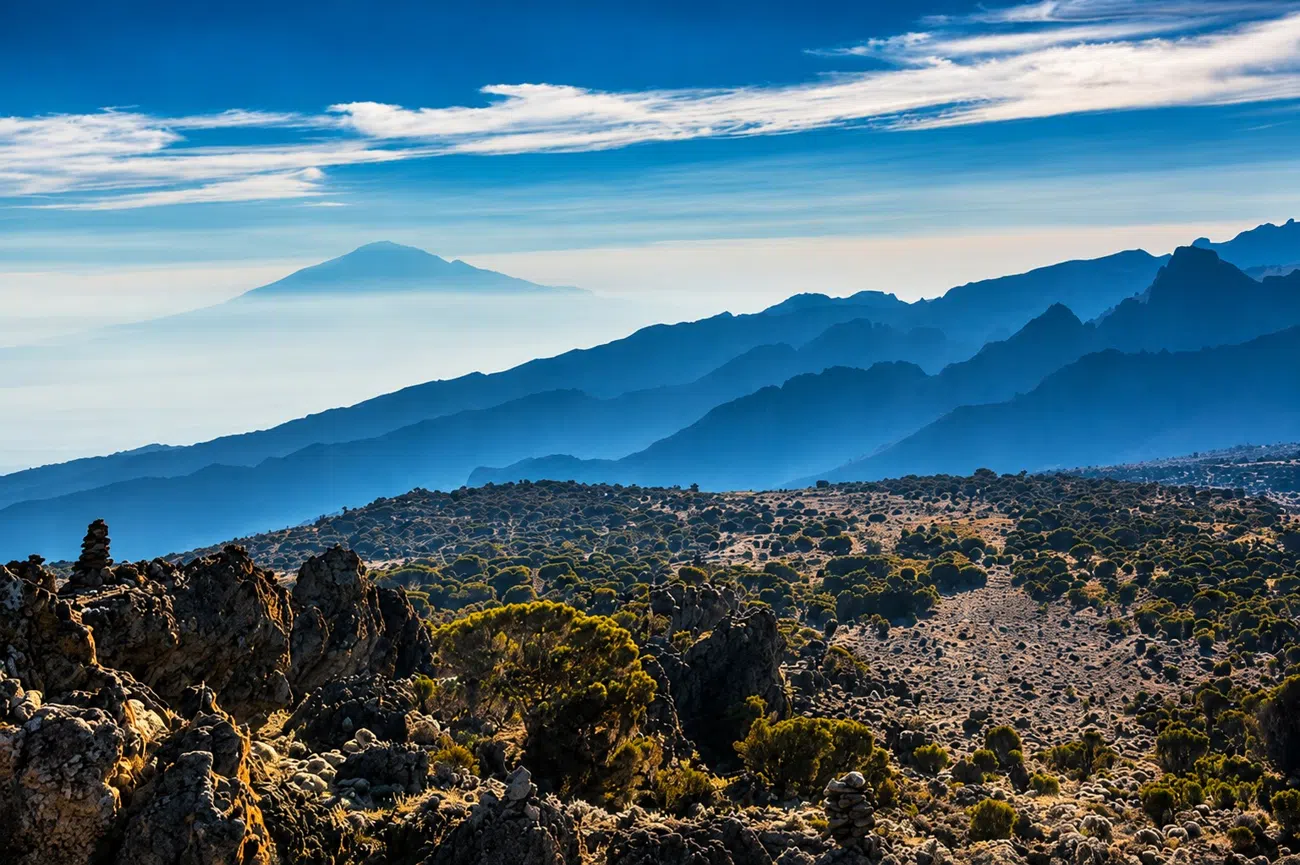
Guided 6 Day Machame Kilimanjaro Adventure with professional mountain guides, tented camping, Lava Tower, Barranco Wall, Barafu and a planned Uhuru Peak summit attempt.
The Guided 6 Day Machame Kilimanjaro Adventure is a complete camping-based Mount Kilimanjaro summit itinerary where professional mountain guidance remains central from the first rainforest trekking day to the planned summit stage and final Mweka descent.
The Machame Route combines changing landscapes with important altitude transitions through Shira, Lava Tower, Barranco, Karanga and Barafu before the planned Uhuru Peak attempt.
Guided means professionally supported mountain travel—not an easy, risk-free or guaranteed summit experience.
Guides help climbers maintain a sustainable mountain pace.
Professional guidance supports navigation through changing terrain.
Climbers are encouraged to report how they feel throughout the trek.
Guides respond to actual weather and trail conditions.
Guides support controlled movement through the wall section.
Responsible mountain decisions remain more important than a fixed summit goal.
Guides can support pacing, communication, route awareness and practical decision-making.
They cannot remove altitude, cold, rain, steep terrain or physical fatigue.
A professionally guided climb should still be approached as a demanding high-altitude trekking expedition.
Machame moves through rainforest, rockier highlands and exposed alpine environments.
Lava Tower and other route stages create substantial elevation variation.
Controlled movement and guide instruction are valuable on steeper sections.
Cold, darkness and altitude make professional pacing especially important.
Rain, wind and cold can change how the trail feels.
Honest communication helps guides make responsible decisions.
Suitable prepared beginners can benefit from professional mountain guidance.
Experience a genuine camping expedition through varied terrain.
Book independently through private or compatible group arrangements.
Share the climb while receiving professional mountain support.
Take on a shared six-day challenge with professional guides.
Enjoy Machame's changing environments when visibility allows.
| Priority | What to Consider |
|---|---|
| Additional Acclimatization Time | Seven-day Machame or a longer Kilimanjaro itinerary |
| More Mountain Days | Consider longer Machame, Lemosho or Northern Circuit options |
| Hut Accommodation | Consider Marangu |
| Compact Guided Camping Trek | Six-day Machame may be suitable |
Morning pickup: Meet your driver and mountain team according to the confirmed transportation plan.
Transfer: Travel toward Machame Gate.
Mountain procedures: Complete applicable entry and trekking arrangements.
Guide introduction: Meet the professional guides supporting your climb.
Pre-trek briefing: Review pacing, hydration, equipment, weather and communication expectations.
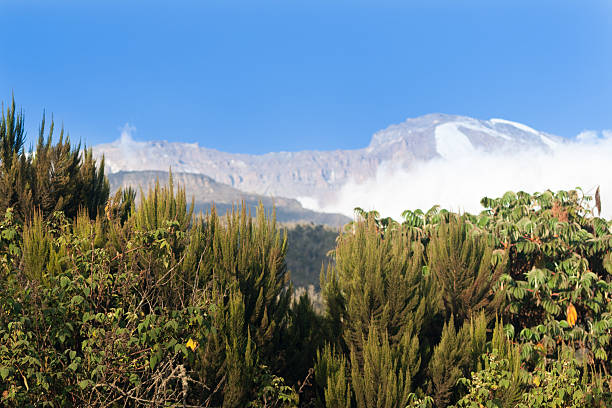
Begin trekking: Enter Kilimanjaro's lush montane rainforest.
Guide pacing: Begin at a controlled rhythm rather than walking unnecessarily fast.
Forest environment: Walk among tall trees, moss, ferns and dense vegetation.
Conditions: Rain, mist and muddy trail sections may occur.
Possible wildlife: Birds or monkeys may appear naturally, but sightings cannot be guaranteed.
Guide communication: Ask questions and begin reporting how your body feels throughout the trek.
Arrival: Reach the Machame Camp area.
Camp: Settle into tented mountain accommodation according to the confirmed arrangements.
Dinner: Eat according to the confirmed mountain meal plan.
Overnight: Machame Camp area.
Helps prevent unnecessary rushing early in the expedition.
Supports movement through potentially muddy rainforest terrain.
Establishes a pattern of honest participant feedback.
Breakfast: Prepare for the second trekking day.
Guide check: Discuss sleep, energy and participant condition.
Continue upward: Leave dense rainforest and move into increasingly open vegetation.
Landscape: Heath and moorland replace the enclosed forest environment.
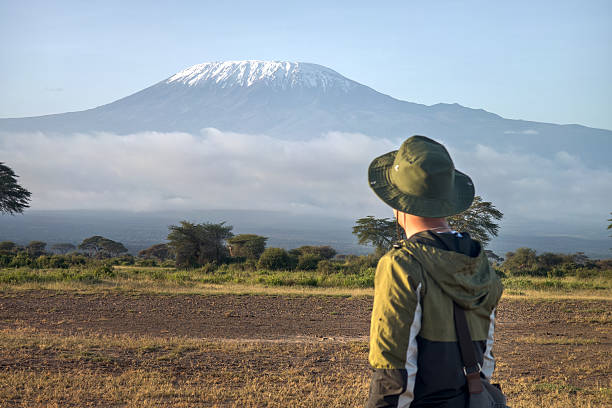
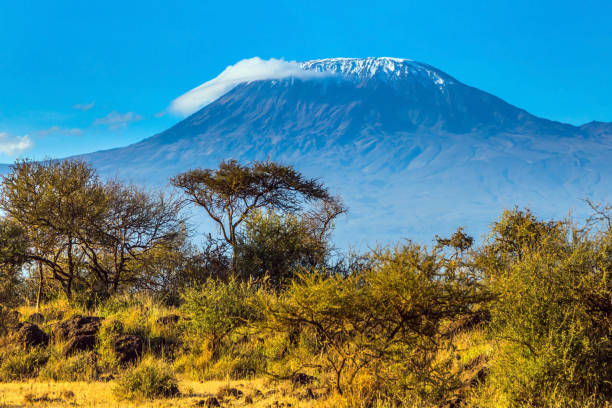
Possible views: Kibo and surrounding landscapes may become visible when cloud conditions permit.
Pacing: Maintain a measured guide-led walking rhythm.
Hydration: Continue drinking according to practical trekking needs.
Trail conditions: Terrain becomes increasingly open and rocky.
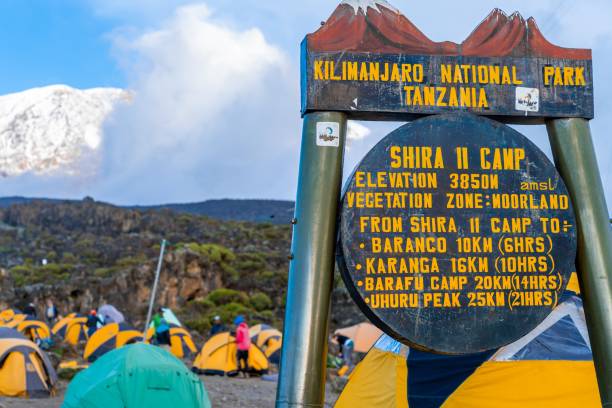
Arrival: Reach Shira Camp.
Evening: Change into warmer clothing and recover.
Dinner: Eat according to the confirmed package.
Overnight: Shira Camp area.
As elevation increases, climbers may be tempted to maintain their normal low-altitude walking speed.
Professional guides commonly encourage a more controlled pace appropriate to the mountain environment.
The objective is sustainable progress rather than racing toward camp.
Morning: Prepare for an important altitude-transition day.
Guide check: Discuss participant condition before moving higher.
Continue upward: Trek into increasingly sparse and volcanic terrain.
Lava Tower direction: Gain elevation according to the standard Machame progression.
Conditions: The environment becomes colder, windier and more exposed.
Altitude communication: Report headache, nausea, unusual dizziness, weakness or other concerning symptoms promptly.
Guide observation: Professional mountain decisions depend partly on clear participant communication.
Lava Tower: Reach the higher route section according to the day's plan.
Descent: Continue downward toward Barranco.
Landscape: Experience a dramatic transition as elevation decreases.
Barranco Wall: The wall may dominate the camp environment when visibility permits.
Recovery: Rest after a substantial mountain day.
Overnight: Barranco Camp area.
The route gains considerable elevation before descending to Barranco.
Climbers should communicate honestly about headaches, nausea, unusual weakness or other concerning changes.
Professional guidance supports decision-making, but it cannot guarantee how any individual responds to altitude.
No.
The Lava Tower section forms an important part of the standard Machame route progression.
Individual altitude response still varies significantly.
Professional guides cannot guarantee acclimatization or summit success.
Morning: Prepare for one of Machame's most recognizable terrain days.
Guide briefing: Review how to move through the Barranco Wall section.
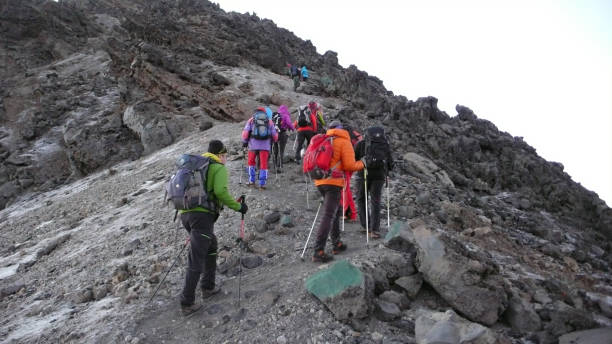
Barranco Wall: Begin the ascent under professional guide direction.
Hands-on movement: Some sections may require hands for balance.
Pacing: Move slowly and carefully rather than rushing.
Trail etiquette: Follow guide instructions when passing narrower or more awkward sections.
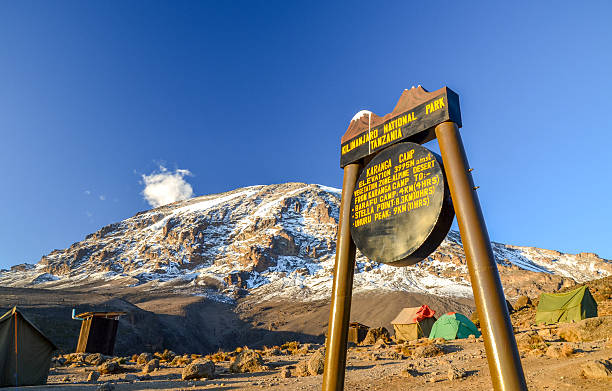
Continue toward Karanga: Cross varied high-altitude terrain.
Six-day progression: Continue through Karanga toward Barafu rather than using Karanga as a separate overnight stage.
Barafu: Enter increasingly exposed summit-base terrain.
Arrival: Reach Barafu Camp.
Summit briefing: Review clothing, headlamp, water, snacks, departure timing and pacing.
Equipment preparation: Organize essential summit gear before resting.
Overnight/rest: Barafu Camp area.
Professional guides know the normal trekking progression through the wall.
Guides can explain where controlled hands-on movement may be useful.
Prevent rushing through awkward terrain.
Ask for assistance whenever a section feels uncomfortable.
Follow instructions around other trekking parties.
Actual conditions can change how the wall should be approached.
Normally no.
The standard Machame Route is generally a high-altitude trekking route.
Barranco Wall may involve hands for balance in places.
Technical rock-climbing equipment is not normally required on the standard itinerary.
Summit preparation: Dress in suitable high-altitude layers and organize essential equipment.
Guide check: Confirm headlamp, clothing, water and critical personal items.
Pre-dawn departure: Begin according to professional guide timing and actual mountain conditions.
Dark ascent: Use reliable lighting during the early stage.
Cold: Prepare for potentially severe temperatures and wind.
Guide-led pacing: Follow a slow, controlled rhythm.
Altitude communication: Report any significant change in condition immediately.
Higher mountain: Continue toward the crater-rim environment only while conditions and participant wellbeing support doing so.
Uhuru Peak objective: Continue toward the summit under professional guide direction.
Photography: If Uhuru Peak is reached, take photographs where conditions allow.
Responsible turnaround: Guides may require descent before the summit when continuing is inappropriate.
Descent: Return carefully toward Barafu.
Recovery: Rest and refuel according to the mountain schedule.
Continue downward: Descend farther toward Mweka Camp.
Overnight: Mweka Camp area.
Summit night places climbers in the highest and most demanding environment of the itinerary.
Professional pacing and honest communication become especially important.
A guided climb includes professional judgment about whether continued ascent remains appropriate, not a promise to continue regardless of participant condition.
No.
Professional guides can support pacing, preparation, communication and practical decision-making.
They cannot control altitude response, weather, fatigue or individual participant condition.
Uhuru Peak remains the planned objective rather than a guaranteed outcome.
Breakfast: Begin the final mountain day.
Guide-led descent: Continue toward lower elevations through changing terrain.
Rainforest: Re-enter lush montane vegetation.
Trail conditions: Mud, roots and slippery ground may require careful movement.
Trekking poles: Poles can provide useful support during descent.
Possible wildlife: Birds or monkeys may appear naturally.
Mweka Gate: Complete applicable mountain exit arrangements.
Meet your vehicle: Continue according to the confirmed transport plan.
Final transfer: Return toward Moshi, Arusha, hotel, airport or another agreed destination according to the package.
| Day | Route | Main Guide Focus |
|---|---|---|
| Day 1 | Machame Gate → Machame Camp | Pacing, rainforest trail awareness and communication |
| Day 2 | Machame → Shira | Controlled pace as elevation increases |
| Day 3 | Shira → Lava Tower → Barranco | Altitude communication and substantial elevation change |
| Day 4 | Barranco → Karanga → Barafu | Barranco Wall support and summit preparation |
| Day 5 | Barafu → summit attempt → Mweka | Summit pacing, participant communication and turnaround decisions |
| Day 6 | Mweka → mountain exit | Controlled long descent and final logistics |
| Feature | 6-Day Machame | 7-Day Machame |
|---|---|---|
| Mountain Duration | Six days | Seven days |
| Professional Guidance | Central | Central |
| Lava Tower | Normally part of progression | Normally part of progression |
| Barranco Wall | Yes | Yes |
| Karanga | Typically passed through toward Barafu | Can form a separate overnight stage depending on itinerary |
| Acclimatization Time | More compact | Additional mountain time |
No.
A skilled guide can help manage the six days effectively.
Professional pacing and communication are valuable.
However, six mountain days remain six mountain days, and travellers who prioritize additional acclimatization time should compare the seven-day version.
| Feature | Machame | Marangu |
|---|---|---|
| Accommodation | Tented camping | Mountain huts |
| Route Character | Varied camping expedition | Classic hut-based trek |
| Lava Tower | Yes on standard progression | No |
| Barranco Wall | Yes | No |
| Professional Guidance | Central | Central |
| Best Choice | Depends on traveller preference | Depends on traveller preference |
| Priority | Machame | Lemosho |
|---|---|---|
| Camping | Yes | Yes |
| Route Duration | Six-day option available | Often chosen as a longer itinerary |
| Landscape Variety | Strong | Strong |
| Professional Guidance | Important throughout | Important throughout |
| Better Route? | Depends on priorities | Depends on priorities |
Sleep in tents according to the confirmed arrangements.
Move to a different mountain location through the route.
A suitable warm sleeping bag remains important.
Relevant expedition support can be included according to package.
Prepare for rain, wind and cold mountain conditions.
Camping is central to the Machame adventure.
Only according to the confirmed package.
A private guided climb can provide dedicated professional arrangements where confirmed.
This does not automatically mean every participant receives a single sleeping tent.
Confirm tent occupancy before departure.
Not automatically.
A private portable toilet should only be considered included when specifically confirmed.
The guided nature of the climb refers primarily to professional mountain leadership.
Optional camping comfort services should be listed clearly in the final package.
A suitable warm sleeping bag is important for the Machame Route's tented camps.
| Challenge | What to Expect |
|---|---|
| Six Mountain Days | Cumulative trekking effort |
| Altitude | A major challenge even with professional guidance |
| Lava Tower Day | Substantial elevation change |
| Barranco Wall | Steep hands-on trekking in places |
| Summit Stage | Cold, dark and physically demanding |
| Long Descent | Significant downhill trekking after the summit attempt |
Suitable physically prepared first-time climbers can consider the route with professional mountain guidance.
Develop sustained endurance.
Prepare for prolonged uphill trekking.
Useful where hills are unavailable.
Prepare for consecutive mountain effort.
Support ascent, Barranco Wall and descent.
Become comfortable carrying daily essentials.
Altitude can affect physically fit participants.
Headache, nausea, unusual dizziness, weakness, confusion, balance problems or unusual breathing difficulty should be reported promptly.
Guides cannot make responsible decisions based on symptoms that a participant deliberately hides.
Open communication is part of a professionally guided mountain experience.
Explains the route, equipment and practical expectations.
Discuss how participants are feeling.
Support a sustainable trekking rhythm.
Adapt practical movement to actual conditions.
Help climbers organize clothing and essential equipment.
Prioritize participant wellbeing when continued ascent is inappropriate.
Avoid unnecessary exhaustion during lower mountain days.
Maintain a sustainable rhythm through long trekking days.
Higher terrain should not be treated as a race.
Reach Barafu with useful energy remaining.
Not automatically.
Professional guiding and personal equipment are separate parts of the expedition.
Selected equipment may be included or available for rental according to the confirmed package.
Review the final packing list before travelling.
The standard Machame Route is generally a high-altitude trekking route rather than a technical mountaineering route.
Barranco Wall may involve hands-on movement for balance.
Technical rock-climbing equipment is not normally required.
Follow guide instructions and the confirmed equipment list for the actual trek.
Keep drinking water accessible.
Keep waterproof layers easy to reach.
Prepare for changing temperatures.
Carry familiar personal trail energy where appropriate.
Carry sunscreen, sunglasses and a hat.
Keep important items accessible throughout the day.
Relevant porter support can be included according to the confirmed package, group size and applicable mountain arrangements.
Your main duffel should follow the confirmed porter luggage allowance.
Your personal daypack remains with you while trekking.
Professional guides and porter support perform different roles within the expedition.
Yes. Trekking poles can be especially useful during muddy lower sections and long descents.
Support stability on uneven terrain.
Help during slippery rainforest conditions.
Provide useful support during sustained downhill trekking.
Yes. A reliable headlamp is important for the pre-dawn summit stage.
Travellers should not rely on regular charging facilities at mountain camps.
Can be provided according to the confirmed mountain itinerary.
Trail or camp arrangements vary by trekking day.
Evening meals can be provided at confirmed camps.
Familiar personal snacks can be useful during the summit stage.
Drinking water arrangements can follow the confirmed package.
Communicate important requirements before departure.
| Zone | Possible Conditions | Guide Role |
|---|---|---|
| Rainforest | Rain, mist, humidity and mud | Support careful pacing and trail awareness |
| Shira | Sun, cloud, wind and cooler temperatures | Maintain controlled progression |
| Lava Tower | Cold and exposed conditions | Encourage altitude communication |
| Barranco | Changing high-altitude weather | Guide movement through steeper terrain |
| Barafu | Cold and exposed summit-base conditions | Prepare climbers for summit stage |
| Summit | Potential severe cold, wind and limited visibility | Professional pacing and summit decisions |
No.
Professional guides can interpret and respond to actual conditions.
They cannot control rain, cloud, wind or temperature.
Good guiding means adapting to real conditions rather than promising perfect weather.
Kilimanjaro's lower rainforest supports naturally occurring wildlife.
Guides may help interpret what is encountered, but wildlife remains free-ranging and specific sightings cannot be guaranteed.
Professional guides can explain practical route features, landscape transitions and mountain conditions encountered during the trek.
They can help climbers understand how the environment changes from rainforest to alpine terrain.
Interpretation varies according to the guide, conditions and actual route experience.
Capture lush vegetation and atmospheric trail scenes.
Photograph broad landscapes when visibility permits.
Document dramatic volcanic terrain.
Photograph only where stopping is practical and appropriate.
Capture the stark summit-base environment.
Take photographs when conditions and participant wellbeing allow.
Practical photo stops can be coordinated where trail conditions and schedule allow.
Photography should never delay the group irresponsibly or create unnecessary risk.
Barranco Wall and summit sections require particular attention to safe movement.
Guide instructions should take priority over obtaining a photograph.
Guide attention can focus on your booking where confirmed.
Walk according to your party's realistic rhythm.
Maintain straightforward communication with the guide team.
Road transportation can be private where confirmed.
No.
Private refers to your professional party arrangements where confirmed.
The mountain, trail, camps and summit area remain shared national park environments.
A private guided booking does not create exclusive access to Kilimanjaro.
Solo travellers can request a private trek or join a compatible group where available.
The climb remains professionally guided.
Solo-friendly does not mean climbing Kilimanjaro without guides or trekking support.
Complete the six-day journey together.
Keep professional arrangements focused on your group where confirmed.
Suitable families may consider the route after participant ages, current requirements, fitness and altitude suitability are reviewed.
A safari can be arranged before or after Kilimanjaro according to the wider travel plan.
Tarangire, Ngorongoro, Serengeti and other destinations can be considered.
Wildlife remains free-ranging and sightings cannot be guaranteed.
Safari services should be specifically confirmed within the final package.
Complete a professionally guided mountain expedition.
Continue into Northern Tanzania's wildlife landscapes.
Finish with island and beach experiences.
A briefing can help clarify route expectations, equipment, packing and mountain logistics.
It provides an opportunity to discuss questions before departure.
The exact briefing arrangements depend on the confirmed package.
Yes. Moshi can be a practical base according to the confirmed itinerary.
A pre-climb briefing, equipment review and mountain transfer can be coordinated according to the package.
Confirm exact pickup details before departure.
An Arusha pickup can be coordinated according to the confirmed transportation arrangements.
Additional road time should be considered when planning mountain departure.
An onward transfer toward Arusha can be arranged according to the final package.
This can be useful for travellers beginning a safari after Kilimanjaro.
An airport transfer may be possible depending on descent timing, road conditions and flight schedule.
Mweka descent times can vary.
Road traffic and mountain conditions can affect the final schedule.
Participants may also be physically tired after six days.
Avoid unnecessarily tight international-flight connections where possible.
Kilimanjaro can be climbed at different times of the year, with natural seasonal variation.
Traditionally clearer periods may provide more opportunities for mountain views.
Wetter periods can create lush lower slopes together with more rain and mud.
High-altitude cold can occur throughout the year.
No season guarantees perfect weather, clear views or summit success.
| Booking Item | What to Confirm |
|---|---|
| Guide Arrangement | Understand the professional guiding structure |
| Route Duration | Confirm exactly six mountain days |
| Camping | Confirm tent and sleeping arrangements |
| Crew | Understand relevant trekking support |
| Meals & Water | Confirm mountain catering and water arrangements |
| Transfers | Check airport, hotel and mountain transport |
| Equipment | Separate included gear from rentals |
| Optional Extras | Confirm single tent, portable toilet and hotel arrangements |
Travel insurance is normally a personal traveller responsibility unless explicitly included.
It is a professionally guided six-day camping-based Mount Kilimanjaro summit itinerary following the Machame Route through rainforest, Shira, Lava Tower, Barranco, Karanga and Barafu before a planned Uhuru Peak attempt and Mweka descent.
The itinerary includes six mountain days.
Yes. Professional Kilimanjaro mountain guides are central to the itinerary according to the confirmed package.
Guides support pacing, route awareness, participant communication, weather awareness and practical mountain decisions.
No. Kilimanjaro remains a demanding high-altitude trek.
No. Uhuru Peak cannot be guaranteed.
No. Professional guidance cannot remove the effects or uncertainty of high altitude.
Yes. The standard Machame progression normally passes through the Lava Tower area before descending toward Barranco.
No. Individual altitude response remains unpredictable.
Yes. Barranco Wall is one of the recognizable sections of the Machame Route.
Yes. Professional guides support route awareness, pacing and controlled movement through the section.
It normally involves trekking with some hands-on movement for balance rather than technical rock climbing.
The common six-day progression typically continues through Karanga toward Barafu rather than using Karanga as a separate overnight stage.
The planned summit attempt normally takes place on Day 5.
Yes. Uhuru Peak is the planned summit objective.
Yes. A professional guide may require descent when continuing is considered inappropriate.
Yes. Controlled pacing is an important part of a professionally guided high-altitude trek.
Suitable physically prepared first-time climbers can consider the itinerary with professional guidance.
Travellers prioritizing additional acclimatization time should compare the seven-day itinerary.
No. Professional guidance cannot create an additional mountain day.
Yes. Fitness does not guarantee altitude tolerance.
Tell your professional mountain guide promptly rather than hiding symptoms.
Not automatically. Personal equipment arrangements depend on the confirmed package.
Technical mountaineering experience is not normally required on the standard Machame Route.
Yes. Machame normally uses tented mountain accommodation.
Only according to the confirmed tent arrangements.
Only when explicitly confirmed in the final package.
Yes. A suitable warm sleeping bag is important for tented mountain camps.
Selected trekking equipment can be arranged where available and confirmed.
They can be useful for balance, slippery terrain and the long descent.
Yes. A reliable headlamp is important for the pre-dawn summit stage.
Travellers should not rely on regular mountain charging facilities and should carry suitable backup power.
Mountain meals can be included according to the confirmed package.
Drinking water arrangements can be included according to the confirmed itinerary.
Common dietary requirements can normally be considered when communicated in advance.
Porter support can be included according to the confirmed package and luggage arrangements.
No. Weather, cloud and mist can affect visibility.
No. Wildlife remains free-ranging and sightings cannot be guaranteed.
Yes. Solo travellers can request private or compatible group arrangements.
Yes. Private guided arrangements can be prepared according to the confirmed package.
Yes. Private-party arrangements can be coordinated where confirmed.
Suitable families may consider it after participant ages, current requirements, fitness and altitude suitability are reviewed.
Yes, when specifically confirmed in the package.
Yes. Safari and Zanzibar extensions can be added according to the wider Tanzania travel plan.
Yes. Professional mountain guides, relevant trekking crew support, applicable mountain arrangements, tented camping, meals, drinking water arrangements, transfers and other confirmed services can be coordinated according to the final package.
The Guided 6 Day Machame Kilimanjaro Adventure combines a complete camping-based summit itinerary with professional mountain support from the rainforest to the planned Uhuru Peak attempt.
Day 1 introduces climbers to Kilimanjaro's rainforest while establishing professional pacing and communication.
Day 2 continues toward Shira as the terrain opens and elevation increases.
Day 3 progresses toward Lava Tower before descending to Barranco, making honest altitude communication increasingly important.
Day 4 crosses Barranco Wall and continues through Karanga toward Barafu, where guides help climbers prepare clothing, equipment and expectations for the summit stage.
Day 5 begins before daylight with the planned Uhuru Peak summit attempt, where professional pacing, communication and responsible turnaround decisions become especially important.
Day 6 completes the expedition through the Mweka rainforest and final mountain exit.
Professional mountain guides can improve organization, pacing, route awareness and participant communication, but they cannot control altitude response, weather or guarantee summit success.
For solo travellers, couples, friends and suitable private or group climbers who want a professionally supported high-altitude camping expedition through Shira, Lava Tower, Barranco Wall and Barafu, the Guided 6 Day Machame Kilimanjaro Adventure provides a strong and responsibly organized way to experience the Machame Route with Uhuru Peak remaining a planned objective rather than a guaranteed result.
Professional Guides. Six Mountain Days. Lava Tower. Barranco Wall. Uhuru Peak Objective.
Share your preferred climbing dates, number of climbers, hiking experience, fitness level, private or group preference, tent requirements, equipment needs, accommodation requirements, airport arrangements and wider Tanzania travel plans and our team will prepare your confirmed Guided 6 Day Machame Kilimanjaro Adventure package.
Plan Your Guided 6 Day Machame Kilimanjaro Adventure
Discover flexible wildlife itineraries across Tanzania's most iconic safari destinations.
Explore Safaris
Enjoy flexible travel with a dedicated vehicle, professional guide and itinerary built around your interests.
View Private Safaris
Combine Tanzania's wildlife with carefully selected lodges, camps and personalized travel arrangements.
View Luxury SafarisUse this itinerary as a starting point and share your preferred dates, group size, destinations and comfort level. Our team can adjust the trip around your travel plans.
Continue exploring journeys that match this itinerary.