
Tanzania Safari Packages
Discover flexible wildlife itineraries across Tanzania's most iconic safari destinations.
Explore Safaris
2 Day Tanzania Safari Cost explained by route, private or group joining safari, 4x4, guide, accommodation, park arrangements, meals, transfers and traveller number.
The 2 Day Tanzania Safari Cost is determined by the complete safari structure rather than one fixed price that applies to every traveller.
Two travellers using a private safari 4x4, one solo traveller, a family using lodge accommodation and a guest joining a compatible camping safari are purchasing different safari arrangements even when each itinerary lasts two days.
The selected destinations are also important because Tarangire National Park, Lake Manyara National Park and Ngorongoro Crater have different operating requirements.
For this reason, the most reliable way to understand cost is to compare the route, traveller number, vehicle, professional guide, protected area arrangements, accommodation, meals, transfers and exclusions together.
A two day safari is not a standardized product with one universal cost.
The final quotation depends on how the trip is designed.
Tarangire plus Ngorongoro has a different operating structure from Lake Manyara plus Ngorongoro or Tarangire plus Lake Manyara.
A solo traveller, couple, family and larger private group distribute selected vehicle costs differently.
Camping, simple lodge, mid range lodge and higher comfort properties have different overnight costs.
A dedicated private vehicle and a compatible group joining vehicle have different cost structures.
Moshi pickup and return, Arusha drop off or another final destination can change transport requirements.
Meals, water, accommodation and protected area arrangements must be compared before deciding which price offers better value.
| Cost Factor | Why It Matters | What to Confirm |
|---|---|---|
| Safari Route | Different protected areas have different operating requirements | Exact destinations for Day 1 and Day 2 |
| Traveller Number | Selected vehicle costs are divided among the booking party | Adults and any children in the confirmed booking |
| Private or Joining | A private vehicle is dedicated to one booking party | Whether unrelated travellers share the vehicle |
| Accommodation | Camping and lodge accommodation have different costs | Actual campsite, lodge or tented property |
| Safari 4x4 | Vehicle operation, fuel and professional driving form a major part of the trip | Suitable safari vehicle according to package |
| Professional Guide | Guiding affects wildlife spotting, safety and interpretation | Professional guide included in quotation |
| Protected Area Arrangements | Applicable requirements differ between destinations | Exactly what is included |
| Meals and Water | Different packages include different meal plans | Lunches, dinner, breakfast and drinking water |
| Transfers | Different start and finish locations affect logistics | Pickup and final drop off |
The route changes both protected area requirements and road logistics.
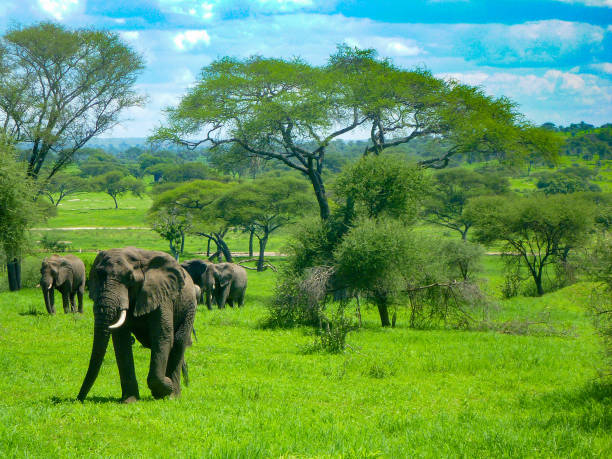
One of the strongest two day safari routes combines Tarangire National Park and Ngorongoro Crater.
| 2 Day Route | Cost Character | Main Wildlife Experience |
|---|---|---|
| Tarangire + Ngorongoro | Includes national park operation, overnight accommodation and Ngorongoro conservation area and crater related requirements according to the confirmed package | Baobabs, elephants, savanna wildlife and crater wildlife |
| Lake Manyara + Ngorongoro | Includes Lake Manyara national park operation plus overnight and Ngorongoro related arrangements | Forest, primates, birdlife and crater wildlife |
| Tarangire + Lake Manyara | Uses two national park safari days and one overnight accommodation | Baobab savanna plus forest, lake and Rift Valley scenery |
Tarangire and Ngorongoro is one of the most popular short safari combinations because it delivers strong landscape and wildlife contrast within two days.
The final cost depends on traveller number, accommodation style, private or joining arrangement, vehicle logistics and the applicable protected area requirements for both destinations.
The cost structure includes the safari 4x4, guide and applicable national park arrangements according to the confirmed package.
Camping, lodge or tented accommodation adds a different overnight component to the package.
The Ngorongoro Conservation Area and crater related operating arrangements create a different cost structure from a normal national park day.
Ngorongoro Crater lies within the Ngorongoro Conservation Area and is not a national park.
A crater safari has a different operating structure from a standard national park game drive.
Cost accuracy: Current Ngorongoro Conservation Area and crater related requirements should be confirmed for the actual travel dates rather than calculated from an old online quotation.
This route replaces Tarangire with Lake Manyara on Day 1.
Lake Manyara provides groundwater forest, primates, birdlife, elephants, lake influenced habitats and Great Rift Valley scenery before the second day's Ngorongoro Crater game drive.
The final cost still depends on traveller number, accommodation, vehicle arrangement, current protected area requirements and exact confirmed inclusions.
The itinerary combines two dramatically different landscapes.
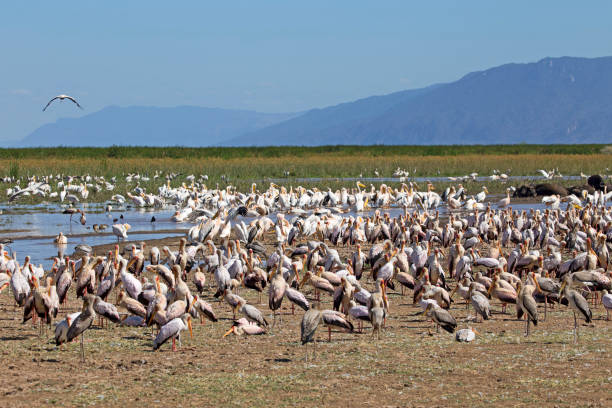
Lake Manyara is particularly attractive for birding, while Ngorongoro adds grassland and wetland species.
Lake Manyara's forest habitats provide additional interest for travellers who enjoy baboons and monkeys.
Lake Manyara is historically associated with lions that may rest in trees.
This reputation does not mean tree climbing lions are included as a guaranteed feature of the safari price.
Wildlife reality: No package price can guarantee tree climbing lions, flamingos or any other specific Lake Manyara wildlife encounter.
A Tarangire and Lake Manyara route uses two national park wildlife days without including Ngorongoro Crater.
The itinerary can appeal to travellers who prioritize elephant opportunities, baobab landscapes, primates, birdlife, forest and Rift Valley scenery.
The final cost depends on the same major factors: traveller number, safari style, overnight accommodation, vehicle, guide, park arrangements, meals and transport logistics.
There is no responsible universal answer without checking current operating requirements and the exact package.
Ngorongoro routes have a different protected area and crater operating structure, while accommodation choice and group size can also create major price differences.
Traveller number is one of the most important factors affecting the per person price of a private safari.
| Booking Type | Typical Cost Effect | Reason |
|---|---|---|
| Solo Private Traveller | Usually highest per person structure | The complete safari vehicle and guide support one traveller |
| Private Couple | Selected vehicle costs are shared between two | The same private 4x4 supports both travellers |
| Small Private Group | Per person vehicle cost may reduce further | Selected fixed expenses are divided among more guests |
| Compatible Group Joining | Can reduce selected shared costs | The vehicle is shared among unrelated confirmed travellers |
The main safari operation does not disappear when only one guest travels.
A private safari normally means that the ground safari vehicle and professional guide are dedicated to one confirmed booking party.
This gives the travellers greater control over the booking structure, while the exact itinerary still operates within protected area rules, road conditions and realistic game drive timing.
No unrelated travellers are added to the private safari vehicle.
The guide can focus more closely on birding, wildlife or photography interests where practical.
Pickup, accommodation and final drop off can be coordinated around the confirmed private itinerary.
No.
Private refers primarily to the dedicated ground safari vehicle and professional guide.
A private safari can use camping, a practical lodge or a higher comfort property depending on the selected budget.
No.
A private ground safari and a privately chartered aircraft are different services.
The term private should not be used to imply private aviation unless that service is specifically included and confirmed.
Group joining can reduce selected shared costs by allowing compatible travellers to use the same safari vehicle and itinerary.
However, the group must actually exist for the requested dates.
Group joining availability: Joining should not be advertised as automatically available every day. A compatible confirmed departure must exist.
| Feature | Private Safari | Group Joining Safari |
|---|---|---|
| Vehicle | Dedicated to one booking party | Shared with compatible confirmed travellers |
| Cost Sharing | Shared only within your booking party | Selected vehicle costs shared across joining guests |
| Flexibility | Generally greater | Must follow the confirmed joining itinerary |
| Accommodation | Chosen for the private booking | Must align with the group arrangement |
| Departure Availability | Subject to normal confirmation | Requires an actual compatible group |
| Wildlife Guarantee | None | None |
A two day safari requires one overnight, and that overnight can significantly affect the total package.
A more budget focused option using confirmed campsite and camping arrangements.
A room based option whose cost depends on the actual property and room arrangement.
A safari style overnight whose comfort and cost can range widely depending on the selected property.
Camping is often one of the most practical ways to lower the overnight accommodation component.
However, the core safari costs remain.
A lodge package normally has a higher accommodation component than basic camping, although lodge prices vary significantly between properties.
The exact lodge should therefore be identified before two quotations are compared.
Important: Do not compare a basic camping safari with a lodge package as if the overnight service is identical.
The word tented does not automatically mean budget or luxury.
Tented safari properties can range from relatively simple accommodation to high comfort camps with extensive facilities.
The actual property, room type and meal plan should be confirmed before judging the price.
| Cost Component | Camping Safari | Lodge Safari |
|---|---|---|
| Overnight | Campsite based | Room based |
| Accommodation Component | Often lower | Varies by lodge level |
| Safari Vehicle | Still required | Still required |
| Professional Guide | Still required | Still required |
| Protected Area Arrangements | Still apply according to confirmed route | Still apply according to confirmed route |
| Wildlife Experience | Core game drives remain central | Core game drives remain central |
The safari vehicle is one of the most important operating components of a two day road safari.
The 4x4 carries travellers between the starting point, protected areas, overnight accommodation and final destination.
The same vehicle is used for wildlife observation and photography during the game drives.
The selected route influences road distance, fuel usage and overall vehicle operation.
A safari vehicle is not simply transporting the traveller from one town to another.
It becomes the main wildlife viewing platform inside the protected areas.
The professional guide should be treated as a central safari service rather than an optional extra.
A lower quotation does not automatically represent better value if professional guiding is weakened.
The guide contributes directly to wildlife interpretation, route decisions, road safety and the overall experience.
Travellers should therefore compare the complete safari operation rather than only the lowest number.
Applicable protected area requirements form an important part of most Tanzania safari quotations.
They depend on the actual route and current official requirements.
Applicable national park arrangements should be clearly stated in the confirmed package.
Applicable national park arrangements should be confirmed for the actual travel dates.
Conservation area and crater related arrangements create a different operational structure.
Government and protected area requirements can change over time.
An old blog post, screenshot or previous traveller's quotation may not accurately reflect your booking date.
Best practice: Use the current confirmed quotation for the actual safari dates when checking protected area arrangements and mandatory costs.
A two day safari normally requires several meal arrangements, but the exact meal plan depends on the confirmed package.
Dietary requirements should be communicated before the safari.
Advance notice gives the safari and accommodation teams more opportunity to prepare suitable meals.
Drinking water can be included according to the confirmed arrangements.
The quotation should clearly state what is provided so travellers know whether they need to organize anything separately.
The starting point can influence the transport structure.
Useful for Kilimanjaro travellers and visitors staying around the Kilimanjaro region.
Can be used when travellers are already staying in Arusha before the safari.
Any alternative location should be stated before the quotation is finalized.
It can.
A safari that returns to Moshi may have a different transport structure from one that finishes in Arusha, at another accommodation or at a confirmed transfer point.
Airport transfers should not automatically be assumed to be included in the safari package.
If the traveller needs an airport drop off after Day 2, the flight details should be shared before confirmation.
Connection planning: Avoid building an unnecessarily tight flight connection after the final game drive because road conditions, weather and safari timing can vary.
A two day safari is a popular extension after a Kilimanjaro climb because it offers two wildlife days without requiring a long additional holiday.
The safari price itself depends on the same major operating factors, while the complete Tanzania trip may also include a recovery hotel, luggage storage or additional transport according to the confirmed arrangements.
A recovery night in Moshi can be useful before beginning the safari.
Yes, if the hotel night is added separately from the safari package.
However, travellers should compare total trip comfort and logistics rather than automatically removing recovery time simply to achieve the lowest possible overall amount.
The safari can also be completed before the climb.
Travellers should preserve enough time afterward for the mountain briefing, equipment check, meals and proper sleep.
Trip planning: If Kilimanjaro is the primary goal, the lowest cost itinerary is not necessarily the best if it leaves insufficient preparation and recovery time before trekking.
An affordable safari should focus on value rather than simply removing important services.
Camping can lower the overnight accommodation component.
A couple, family or group of friends can distribute selected vehicle costs among more travellers.
A compatible confirmed group joining departure can reduce selected shared costs.
Two practical destinations protect wildlife viewing time and avoid unnecessary transport expense.
A more inclusive quotation can represent better value than a cheaper headline amount with important services excluded.
Only add services that genuinely improve the confirmed travel plan.
| Factor | Cheapest Price Focus | Good Value Safari |
|---|---|---|
| Vehicle | May focus only on reducing price | Suitable safari 4x4 remains part of the package |
| Guide | Guide quality can be overlooked | Professional guiding remains central |
| Accommodation | May not be clearly identified | Actual accommodation style is confirmed |
| Protected Area Arrangements | May be listed separately or unclearly | Clearly explained before confirmation |
| Meals | Can be incomplete | Meal plan is clearly stated |
| Route | Can be unrealistically ambitious | Uses two logical safari destinations |
| Wildlife Claims | May rely on unrealistic guarantees | No specific animal is promised |
A transparent quotation should make compulsory and optional services clear.
Season can influence accommodation demand, property pricing and wider travel logistics.
For a two day safari, traveller number, route, vehicle, accommodation and protected area arrangements remain major cost factors.
The most reliable answer comes from a quotation prepared for the actual dates.
Different seasons create different wildlife and landscape conditions.
| Condition | Possible Safari Effect |
|---|---|
| Drier Conditions | Some wildlife may concentrate around dependable water in certain ecosystems |
| Greener Conditions | Lush scenery and more widely distributed grazing and water can change wildlife patterns |
| Rain | Road and safari track conditions can change |
| Dense Vegetation | Some wildlife can become harder to see |
| Birdlife | Opportunities can change with seasonal conditions |
| Wildlife Guarantee | None in any season |
No.
A higher safari price may buy a different accommodation level, a private vehicle or additional services.
It does not control wild animals.
Wildlife principle: Safari cost pays for the confirmed professional operation and access to wildlife environments, not for guaranteed animal sightings.
No.
Tarangire provides excellent elephant viewing opportunities, but elephant movement depends on natural conditions.
No package price should promise a particular herd or close encounter.
No.
Black rhinos occur within the wider Ngorongoro ecosystem, but sightings may be distant or absent during a particular crater game drive.
No.
Lake Manyara has a historical reputation for lions that may use trees, but this behaviour remains natural and unpredictable.
No.
Flamingo presence and numbers vary according to water conditions, food availability and natural movement.
No responsible safari operator should guarantee all Big Five species during a two day safari.
The route can provide excellent wildlife opportunities without turning nature into a checklist.
No.
Lions, leopards, hyenas and other predators hunt according to natural behaviour and opportunity.
A chase, kill or feeding event cannot be scheduled because a traveller has paid for a safari.
Accommodation comfort and wildlife sightings are different factors.
A higher comfort room may improve the overnight experience, but it cannot determine which animals appear during the next day's game drive.
Not necessarily.
Private travel can provide greater flexibility around the booking party's interests and photography stops where practical.
However, the same natural uncertainty applies to wildlife.
Serengeti is a vast and more distant ecosystem that deserves meaningful game drive time.
A two day road itinerary from Moshi can become heavily compressed if Serengeti is forced into the schedule.
The price alone does not answer that question.
The route must first be realistic.
If most of the available time is spent reaching and leaving Serengeti, the lowest headline amount may not represent good wildlife value.
| Feature | 1 Day Safari | 2 Day Safari |
|---|---|---|
| Safari Days | One | Two |
| Safari Overnight | Usually none | One |
| Accommodation Cost | Normally no safari overnight component | Accommodation becomes part of the package |
| Destinations | Usually one | Usually two practical destinations |
| Wildlife Variety | One main ecosystem | Two contrasting ecosystems |
| Total Cost | Lower overall travel commitment | Higher because of another day, overnight and additional safari operation |
| Feature | 2 Day Safari | 3 Day Safari |
|---|---|---|
| Safari Nights | One | Two |
| Vehicle Operation | Two days | Three days |
| Meals and Accommodation | Smaller total requirement | Additional night and meals required |
| Destinations | Best with two practical areas | Can add another area or provide more time in selected destinations |
| Serengeti Suitability | Often too compressed by road from Moshi | More practical but still requires careful route planning |
You want more than a day trip but cannot add a longer safari.
You want two wildlife destinations after the mountain without extending the holiday substantially.
Tarangire and Ngorongoro or Lake Manyara and Ngorongoro are your main priorities.
A couple travelling privately can distribute selected vehicle and professional guide costs between two travellers.
This normally creates a more economical per person structure than a solo private safari while preserving the benefits of a dedicated vehicle.
Families can travel together in one private safari vehicle according to the confirmed capacity and arrangement.
The ages of children should be provided before a quotation is prepared because applicable conditions can vary.
Family pricing: Do not assume generic child discounts or age categories without confirming the actual traveller ages and current package conditions.
Friends travelling as one booking party can share selected private vehicle expenses.
This can make a private safari increasingly attractive per person while maintaining a dedicated ground safari arrangement.
Provides dedicated vehicle and guide but usually has a higher per person cost structure.
Can reduce selected shared costs when a suitable confirmed group exists.
A solo traveller with flexible dates may have more opportunities to match a compatible joining group.
A quotation that appears slightly more expensive may actually include more of the services required to operate the safari.
A very low advertised amount can become less attractive if compulsory services are added later.
You understand what you are paying for before the safari begins.
You can estimate the full trip cost rather than only the initial headline price.
Protected area arrangements, accommodation, meals and transfers are clarified in advance.
| Check | Quotation A | Quotation B |
|---|---|---|
| Route | Are the same destinations included? | Are the same destinations included? |
| Traveller Number | Is price based on the same group size? | Is price based on the same group size? |
| Private or Joining | Dedicated vehicle or shared? | Dedicated vehicle or shared? |
| Accommodation | Camping, lodge or tented? | Camping, lodge or tented? |
| Protected Area Arrangements | Included or additional? | Included or additional? |
| Meals | Which meals are included? | Which meals are included? |
| Transfers | Where does the safari start and finish? | Where does the safari start and finish? |
| Professional Guide | Clearly included? | Clearly included? |
Travel insurance is generally arranged separately unless explicitly included in a specialized package.
Travellers should confirm medical, cancellation and other policy terms directly with the insurance provider.
Tips are generally separate unless specifically stated in the confirmed package.
Travellers can request current tipping guidance before departure.
Tips should therefore be considered when planning the complete travel budget even if they are not included in the safari headline price.
A standard two day road safari normally requires only a compact overnight bag.
Travellers returning to the same accommodation may be able to store larger luggage according to confirmed hotel or operator arrangements.
There is usually no need to carry every suitcase into the safari vehicle when storage has been confirmed.
No.
Special safari fashion is not required for a standard vehicle based trip.
Comfortable practical clothing, sun protection and a warm layer for cooler conditions are generally more important.
No.
A smartphone or standard camera can still capture excellent safari memories.
Professional photography equipment is optional and should not be treated as a compulsory safari expense.
Binoculars can improve bird and distant wildlife viewing.
They are particularly useful when animals such as black rhinos remain far from the vehicle.
Availability in the safari vehicle should be confirmed rather than assumed.
Photography stops form part of the wildlife experience where practical and permitted.
Can provide more personalized photography attention within practical limits.
Photography interests need to be balanced with the other confirmed guests.
Paying more does not move animals closer to the vehicle or guarantee ideal photographic conditions.
No.
A higher package price does not allow the guide to ignore protected area regulations.
The vehicle must follow applicable rules and authorized driving procedures.
The guide must make responsible decisions according to animal behaviour, other vehicles and protected area rules.
No photograph is worth disturbing wildlife or breaking regulations.
Safety should not be treated as an optional cost cutting area.
Road and safari track conditions change according to rainfall, season and maintenance.
Some roads and tracks can become dusty.
Rain can create mud and slower movement in selected areas.
The professional guide can adapt the route according to safe and practical conditions.
Weather is a natural condition rather than a service controlled by the operator.
The agreed package covers the professional safari operation and confirmed services.
Rain, cloud, dust or changing wildlife distribution can alter the experience without changing the underlying services required to operate the trip.
A wildlife safari should never be sold as a guaranteed lion purchase.
The package covers agreed professional services and access to wildlife areas rather than a guaranteed animal checklist.
Wildlife expectation: A responsible safari should never promise a refund simply because one specific wild species was not seen.
A two day safari can be followed by Zanzibar, but the Zanzibar component should be budgeted separately unless included in one confirmed combined package.
Ground transfers and scheduled domestic travel should also be clearly identified.
Exact domestic flight schedules, departure points and baggage conditions need to be confirmed for the actual travel dates.
It may be possible depending on the safari route, final drop off and confirmed flight arrangements.
A very tight connection should be avoided because road and game drive conditions can vary.
Yes, when the final Arusha drop off is built into the confirmed itinerary.
Changing the final destination can alter the road operation and should therefore be communicated before the quotation is finalized.
Yes, this can be arranged according to the confirmed itinerary.
The quotation should reflect the actual start and finish points rather than assuming a return to the original hotel.
There is no single universal price. The final cost depends on the route, traveller number, safari style, accommodation, protected area requirements and exact confirmed inclusions.
Routes, group sizes, accommodation levels, vehicle arrangements, protected area requirements and transfers vary between bookings.
Tarangire and Ngorongoro is one of the strongest short combinations for many first time safari travellers.
Yes. Each destination can receive its own safari day within a practical short itinerary.
Yes. This route is especially attractive for forest, primates, birdlife and crater wildlife.
Yes. These two national parks can form an alternative two day safari.
A two day road itinerary from Moshi involving Serengeti can become highly compressed. Additional safari days are generally better if Serengeti is the priority.
Ngorongoro has a conservation area and crater operating structure that differs from a standard national park safari.
No. Ngorongoro Crater lies within the Ngorongoro Conservation Area.
Yes. Tarangire National Park is part of Tanzania's national park system.
Yes. Lake Manyara National Park is part of Tanzania's national park system.
A private safari can have a higher per person structure, especially for solo travellers, because the vehicle and guide are dedicated to one booking party.
Selected vehicle and operating costs can be distributed among more travellers in the same booking.
The complete safari 4x4 and professional guide are operating for one traveller instead of having selected costs shared across several people.
Yes. Selected vehicle and professional guide costs can be shared between both travellers in one private booking.
Selected vehicle costs can be distributed across the family booking, while applicable conditions depend on the actual traveller ages and package.
Yes, when a compatible confirmed departure exists for the same dates, route and accommodation arrangements.
No. An actual compatible confirmed group must exist for the requested dates.
Camping often has a lower accommodation component than lodge options, although the complete safari cost still depends on the route and other services.
It often has a higher overnight component than basic camping, but exact lodge prices vary by property.
No. Tented safari properties range from relatively simple to high comfort, so the actual property must be confirmed.
A suitable safari 4x4 can be included according to the confirmed package and should be clearly stated in the quotation.
Professional guiding can be included according to the confirmed package.
Applicable protected area arrangements should only be considered included when clearly stated in the confirmed quotation.
Official requirements can change, so an old online list may not reflect your actual travel dates.
A standard two day safari requires one overnight, but the actual accommodation should be confirmed in the package.
Meals can be included according to the confirmed itinerary and accommodation plan.
Drinking water can be provided according to the confirmed package.
Moshi pickup can be included according to the confirmed itinerary.
Yes. Arusha can also be used as the starting point when confirmed.
No. The final drop off can potentially be Moshi, Arusha or another confirmed location.
It may be possible when the transfer is specifically confirmed and sufficient travel margin is available.
No. Airport transfers should only be considered included when clearly stated in the package.
It may be possible depending on the final safari route and scheduled domestic travel, but realistic connection time should be allowed.
Not unless Zanzibar arrangements are specifically part of the confirmed package.
Yes. It is a practical short wildlife extension after a Kilimanjaro climb.
A recovery night in Moshi can be useful before beginning the safari.
It can if the hotel night is separate from the safari package, but it may improve comfort and overall travel planning.
Yes, provided enough time remains for mountain briefing, equipment checks and proper rest before trekking.
Tarangire provides excellent elephant viewing opportunities, but sightings cannot be guaranteed.
Black rhinos occur within the wider ecosystem, but they may be distant or not visible during a particular visit.
The behaviour is historically associated with Lake Manyara, but it cannot be guaranteed.
Flamingo presence changes according to water conditions, food availability and natural movement.
Lions occur in several Northern Tanzania safari areas, but individual sightings are natural and unpredictable.
Leopards may occur in suitable habitats but are naturally difficult to find.
No responsible safari operator should guarantee all Big Five species during a two day safari.
Predator hunts are natural events and cannot be scheduled or guaranteed.
No. Higher prices can reflect better accommodation, private arrangements or additional services but cannot control wildlife.
No. Private travel can provide more flexibility but does not guarantee animals.
No. Black rhino sightings depend entirely on natural wildlife movement and visibility.
No. Even in Tarangire, elephants remain wild and cannot be guaranteed.
No. Natural hunting behaviour cannot be purchased or scheduled.
Confirm the route, traveller number, private or joining status, vehicle, guide, protected area arrangements, accommodation, meals, water, pickup, drop off and exclusions.
Not automatically. Compare the complete package and itinerary quality before deciding which quotation offers the strongest value.
Travel with others, choose practical camping where suitable, join a compatible group when available and avoid unnecessary extras while retaining essential professional safari services.
A suitable safari vehicle, professional guide, applicable protected area arrangements, safe routing and essential meal, water and accommodation services should remain properly planned.
Yes. Two days can provide two contrasting wildlife experiences, especially with Tarangire and Ngorongoro or Lake Manyara and Ngorongoro.
A road safari from Moshi involving Serengeti is generally more balanced with additional days because two days can become heavily compressed.
Choose two days for a compact short safari. Choose three or more days when Serengeti, additional parks or a slower travel pace are priorities.
The 2 Day Tanzania Safari Cost should be calculated from the actual itinerary rather than one generic amount.
The selected route is one of the biggest cost factors.
Tarangire and Ngorongoro form one of the strongest two day safari combinations, bringing together giant baobab landscapes, elephant viewing opportunities and a dramatically different crater ecosystem.
Lake Manyara and Ngorongoro provide an alternative focused on forest, primates, birdlife, lake scenery and crater wildlife.
Tarangire and Lake Manyara can also form a two national park safari without Ngorongoro.
Ngorongoro Crater lies within the Ngorongoro Conservation Area and should not be described as a national park.
The number of travellers strongly affects the per person cost because the safari 4x4 and professional guide operate whether one traveller or several guests use the vehicle.
A solo private safari therefore normally has a higher per person structure than a private couple or small private group.
Group joining can reduce selected shared costs when compatible confirmed travellers have the same dates, route, accommodation and available vehicle space.
Group joining should never be presented as automatically available every day.
Accommodation is another major cost factor because a two day safari requires one overnight.
Camping can provide a more budget focused structure, while lodge and tented accommodation costs vary significantly according to the selected property.
The complete quotation should also explain whether the safari 4x4, professional guide, applicable protected area arrangements, meals, drinking water, pickup and final transportation are included.
Current official protected area requirements should be used instead of old online price tables.
Travellers should also account for items that may remain separate, including travel insurance, tips, alcoholic drinks, optional activities, additional hotel nights and onward travel.
Wildlife sightings are never purchased through the safari cost.
Tarangire cannot guarantee elephants, Lake Manyara cannot guarantee tree climbing lions or flamingos, and Ngorongoro cannot guarantee black rhinos.
Lions, leopards, Big Five sightings and predator hunts also depend entirely on natural wildlife behaviour.
Travellers wanting Serengeti should normally consider additional safari days rather than choosing an overly compressed two day road itinerary simply because a headline price looks attractive.
The strongest value comes from a logical route, professional safari guide, suitable 4x4, appropriate accommodation, clear protected area arrangements, realistic travel planning and a transparent quotation that explains what is included before the booking is confirmed.
Clear Cost. Two Wildlife Days. One Well Planned Tanzania Safari.
Share your travel dates, number of travellers, preferred route, private or group joining preference, camping or lodge choice, pickup location and final destination and our local safari team will prepare your 2 Day Tanzania Safari Cost based on the confirmed itinerary and complete inclusions.
Request Your 2 Day Safari Cost
Discover flexible wildlife itineraries across Tanzania's most iconic safari destinations.
Explore Safaris
Enjoy flexible travel with a dedicated vehicle, professional guide and itinerary built around your interests.
View Private Safaris
Combine Tanzania's wildlife with carefully selected lodges, camps and personalized travel arrangements.
View Luxury SafarisUse this itinerary as a starting point and share your preferred dates, group size, destinations and comfort level. Our team can adjust the trip around your travel plans.
Continue exploring journeys that match this itinerary.