
Tanzania Safari Packages
Discover flexible wildlife itineraries across Tanzania's most iconic safari destinations.
Explore Safaris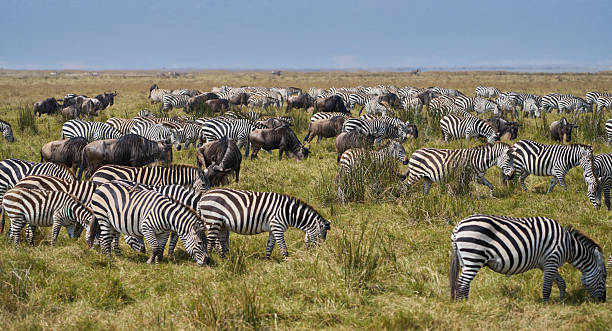
6 Day Great Migration Safari Tanzania with professional safari guide, extended Serengeti wildlife viewing, Ngorongoro Crater, Tarangire, accommodation, meals and flexible private or group safari options.
The 6 Day Great Migration Safari Tanzania focuses on meaningful Serengeti exploration while also including major Northern Tanzania wildlife landscapes such as Tarangire and Ngorongoro.
The central objective is not to promise one fixed migration location, but to design the Serengeti part of the itinerary around the travel period and the areas that make practical sense for expected wildebeest and zebra movement.
Six safari days provide more flexibility for wildlife searching, photography and migration focused planning than many shorter road itineraries.
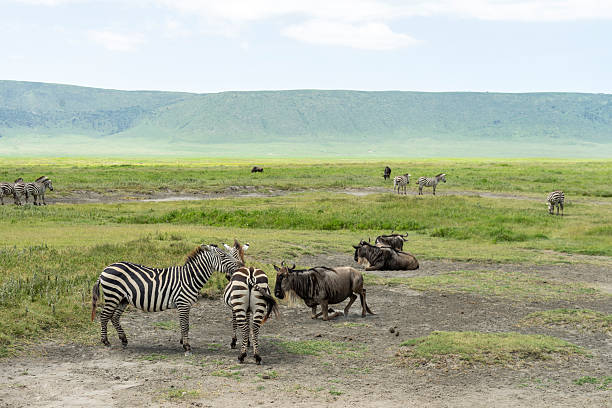
The Great Migration is the continuous movement of large numbers of wildebeest and zebras through the wider Serengeti ecosystem.
The animals move in response to rainfall, grazing conditions, water availability and other natural environmental influences.
The migration does not remain permanently in one part of Serengeti.
For this reason, a Great Migration safari should be planned around realistic seasonal patterns while accepting that actual wildlife movement remains unpredictable.
Spend several game drive periods exploring the Serengeti ecosystem.
Plan the Serengeti section around the confirmed travel period.
Additional wildlife time can create more photography possibilities.
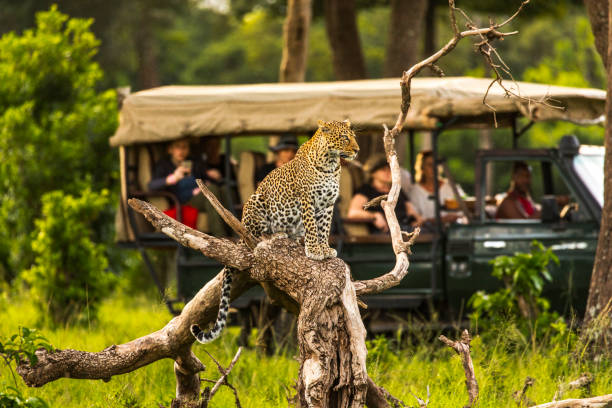
Search suitable habitats where lions, cheetahs, leopards and hyenas may occur.
Add another major Northern Tanzania wildlife environment.
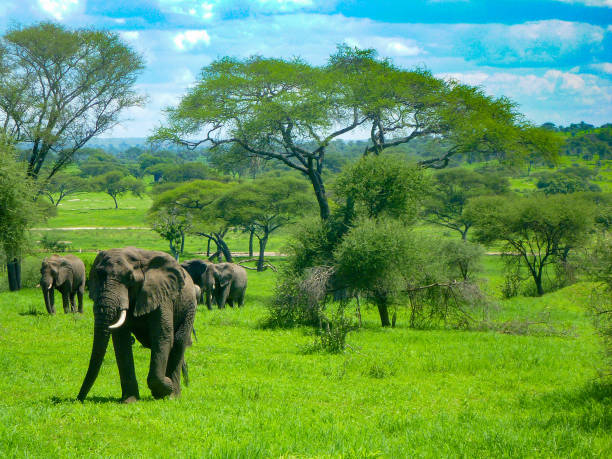
Combine Serengeti plains with baobab woodland and elephant habitat.
Spend more time in one of Africa’s major wildlife ecosystems.
Use multiple game drive periods for wildlife and landscape photography.
Combine iconic Serengeti scenery with other Northern Tanzania destinations.
Private safari arrangements can provide a personalized experience.
Suitable groups can share a broad wildlife itinerary.
Add an extended wildlife experience before or after the mountain.
No.
The Great Migration includes grazing, movement, herd concentrations, calving related periods, predator interactions and other natural behavior across a very large ecosystem.
River crossings are only one possible type of migration event.
Crossings depend on herd position, water conditions, animal decisions and timing.
No safari operator can guarantee that a river crossing will happen during a specific game drive.
Yes.
The location of large wildebeest and zebra concentrations changes naturally.
Different travel periods can make different parts of the wider Serengeti ecosystem more relevant.
The final route should therefore be planned according to the confirmed travel dates and practical accommodation options.
Morning pickup: Meet your professional safari guide at the agreed starting location in Moshi, Arusha or another confirmed point.
Safari briefing: Review the six day route, accommodation, Serengeti focus and realistic migration expectations.
Departure: Travel toward Tarangire National Park.
Park arrival: Complete applicable access arrangements according to the confirmed package.
Game drive: Explore Tarangire woodland, savannah, riverine habitats and distinctive baobab landscapes.
Elephant potential: Search suitable areas where elephants may occur naturally.
Possible wildlife: Giraffes, zebras, wildebeest, buffalo, antelope, warthogs, monkeys and numerous bird species may be encountered.
Predators: Lions and other predators may occur naturally.
Photography: Baobabs, elephants and open landscapes can provide strong visual opportunities.
Lunch: Follow the confirmed safari meal arrangements.
Afternoon: Continue wildlife viewing according to available time.
Transfer: Travel toward the confirmed accommodation.
Dinner: Follow the booked meal plan.
Overnight: Camping, lodge or tented camp according to the confirmed package.
Provide a distinctive visual contrast to Serengeti.
Strong viewing potential in suitable habitats.
Adds another major wildlife ecosystem to the safari.
Numerous species may be encountered.
Woodland and baobabs contrast with open Serengeti plains.
Works well as the opening park on many Northern Tanzania itineraries.
Breakfast: Begin according to the confirmed accommodation schedule.
Departure: Travel toward the Ngorongoro highlands and Serengeti.
Highland scenery: Experience changing elevation and landscapes during the journey.
Ngorongoro area: Continue through the conservation landscape according to applicable arrangements.
Serengeti entry: Travel toward the confirmed Serengeti region.
Migration planning: The selected area should reflect the travel period, expected herd patterns, road practicality and confirmed accommodation.
Game drive: Begin wildlife viewing according to available time and route.
Possible wildlife: Wildebeest, zebras, lions, giraffes, elephants, buffalo, gazelles, hyenas and other species may be encountered.
Cheetahs: Cheetahs may occur naturally in suitable open habitats.
Leopards: Leopards may occur in suitable habitat but can be difficult to locate.
Photography: Broad landscapes and wildlife can provide strong photographic opportunities.
Evening: Continue toward the confirmed Serengeti accommodation.
Dinner: Follow the booked meal arrangements.
Overnight: Serengeti lodge, tented camp or campsite according to the confirmed migration focused package.
May occur in small groups or large concentrations depending on natural movement.
Often move through the wider ecosystem with wildebeest.
May be encountered naturally in suitable habitats.
Possible in suitable open landscapes.
Possible but often difficult to locate.
May be encountered across suitable habitats.
May occur naturally.
May occur in suitable areas of the ecosystem.
May be encountered naturally.
No.
Large herd concentrations depend on the natural location of the migration.
Rainfall patterns and grazing conditions can influence movement.
Some game drives may encounter very large concentrations while others may find smaller groups or different wildlife.
No Great Migration safari should promise a particular herd size.
It is possible.
Lions may use areas where prey species are present.
However, lions move naturally and can remain hidden or far from accessible roads.
Migration wildlife does not guarantee predator sightings.
Morning: Begin according to the confirmed accommodation schedule.
Game drive: Spend substantial time exploring the selected Serengeti region.
Migration search: Search for wildebeest and zebra concentrations according to current natural conditions.
Predator search: Explore suitable habitats where lions, cheetahs, leopards and hyenas may occur.
Wildlife behavior: Observe naturally occurring grazing, movement, resting and predator prey relationships where visible.
Photography: Use available wildlife opportunities and changing light throughout the day.
Landscape: Enjoy the scale and openness of the Serengeti ecosystem.
Lunch: Follow the confirmed safari meal arrangements.
Afternoon: Continue exploring suitable wildlife areas.
Migration conditions: The guide may adapt wildlife searching within practical road access according to current observations.
Evening: Return toward the confirmed Serengeti accommodation.
Dinner: Follow the booked meal plan.
Overnight: Serengeti lodge, tented camp or campsite according to the confirmed package.
Spend more time exploring areas relevant to wildlife movement.
Gain more time to search suitable predator habitats.
Experience different light and wildlife activity through the day.
Spend time observing natural interactions where visible.
Explore selected areas according to the confirmed route.
Keep the primary focus on wildlife rather than long transfer driving.
No.
A full day provides more time to search suitable areas.
The herds can still be dispersed, distant or located outside the practical game drive area.
Additional time creates more opportunity rather than certainty.
Cheetahs may occur naturally in suitable Serengeti habitats.
Open plains can provide useful areas for searching.
Actual visibility depends on the animal’s location, vegetation and road access.
A cheetah sighting cannot be guaranteed.
Leopards occur within the Serengeti ecosystem but can be challenging to find.
Leopards may use trees, rocks or vegetation.
Their behavior can make them difficult to locate.
A migration focused safari cannot guarantee leopard sightings.
Morning: Begin according to the confirmed Serengeti schedule.
Game drive: Continue exploring the selected Serengeti region.
Migration focus: Search for naturally occurring wildebeest and zebra movement.
Predators: Continue searching suitable habitats for lions, cheetahs, leopards and hyenas.
Photography: Use another wildlife viewing period for preferred subjects where practical.
Different conditions: Wildlife activity can change significantly from the previous day.
Lunch: Follow the confirmed safari meal arrangements.
Afternoon: Continue wildlife viewing according to the confirmed route.
Flexibility: The exact game drive direction can be influenced by current observations and practical road access.
Evening: Continue toward the confirmed accommodation or positioning point for the following day.
Dinner: Follow the booked meal plan.
Overnight: Serengeti or another confirmed area according to the itinerary.
Gain another opportunity to locate naturally moving herds.
Wildlife can move substantially from one day to another.
Explore suitable habitats again under different conditions.
Use another game drive for wildlife images.
Avoid depending on only one Serengeti wildlife day.
Understand the migration as part of a larger ecosystem rather than one isolated event.
No.
Safari planning can place travellers in a relevant general region when practical.
It cannot determine when wildebeest approach a river or whether they decide to cross.
Herds may wait, move away, cross elsewhere or cross at a different time.
River crossings should always be presented as possible natural events rather than scheduled activities.
No.
Predators and prey interact naturally across the ecosystem.
Specific hunts or dramatic wildlife encounters cannot be predicted.
Responsible safari planning never promises predator action.
Morning: Begin according to the confirmed safari schedule.
Final Serengeti wildlife viewing: Use suitable morning time for wildlife viewing where the itinerary permits.
Departure: Begin travelling toward the Ngorongoro Conservation Area.
Wildlife en route: Animals may continue to be encountered during suitable parts of the journey.
Landscape transition: Move from open Serengeti plains toward highland scenery.
Crater area: Approach the Ngorongoro landscape according to the confirmed route.
Visibility: Crater rim views depend on weather, mist and cloud conditions.
Lunch: Follow the confirmed meal arrangements.
Afternoon: Continue toward the confirmed accommodation or planned crater schedule.
Dinner: Follow the booked meal plan.
Overnight: Ngorongoro area, Karatu or another confirmed location.
Move from vast plains to a dramatic volcanic caldera environment.
Explore another important Northern Tanzania wildlife area.
Black rhino may be observed but cannot be guaranteed.
May occur naturally within suitable crater habitats.
May occur around suitable water areas.
Combine wildlife with dramatic crater scenery.
Breakfast: Begin the final safari day according to the confirmed accommodation schedule.
Crater rim: Appreciate the Ngorongoro landscape where weather and visibility permit.
Descent: Enter the crater according to applicable arrangements.
Game drive: Explore grassland, wetland, woodland and other suitable habitats.
Possible wildlife: Lions, wildebeest, zebras, buffalo, gazelles, warthogs, hippos, hyenas and other wildlife may be encountered naturally.
Black rhino possibility: Black rhino may sometimes be observed but sightings cannot be guaranteed and may be distant.
Photography: Use available wildlife and landscape opportunities.
Lunch: Follow the confirmed safari meal arrangements.
Crater ascent: Leave the crater according to the planned schedule.
Return: Travel toward Moshi, Arusha, Kilimanjaro International Airport or another agreed destination where practical.
Safari completion: Final drop off according to the confirmed package.
Black rhino may be encountered within Ngorongoro, but sightings cannot be guaranteed.
Rhinos may remain distant from accessible roads.
Terrain, vegetation and visibility can affect observations.
Binoculars can be useful when wildlife remains far away.
The itinerary provides opportunities to search for several well known African wildlife species.
Leopards and black rhinos can remain especially difficult to locate.
Seeing all Big Five during the six days cannot be guaranteed.
| Day | Destination | Main Experience |
|---|---|---|
| Day 1 | Tarangire | Baobabs, elephants and wildlife game drive |
| Day 2 | Serengeti | Travel into confirmed Serengeti region and begin migration wildlife search |
| Day 3 | Serengeti | Full Great Migration focused wildlife day |
| Day 4 | Serengeti | Additional migration and predator wildlife viewing |
| Day 5 | Serengeti to Ngorongoro | Final Serengeti wildlife viewing and transfer |
| Day 6 | Ngorongoro Crater | Crater game drive and final return |
A general six day safari can include Lake Manyara.
However, a Great Migration focused itinerary can use the additional time for Serengeti instead.
This creates more opportunity to explore the areas relevant to expected herd movement.
Lake Manyara can still be added through a changed or longer itinerary if it is a priority.
| Feature | General 6 Day Safari | Great Migration Focus |
|---|---|---|
| Main Priority | Broad destination variety | More Serengeti wildlife time |
| Serengeti Days | Strong | Extended where practical |
| Lake Manyara | Often included | Can be omitted to protect Serengeti time |
| Migration Planning | Secondary | Major itinerary consideration |
| River Crossing Guarantee | No | No |
| Feature | 5 Days | 6 Days |
|---|---|---|
| Safari Time | Good | More extensive |
| Serengeti Flexibility | Good | Stronger |
| Migration Search Time | Meaningful | Additional opportunity |
| Photography Time | Strong | More extensive |
| Overall Pace | More compact | Better for migration focus |
| Feature | 6 Days | 7 Days |
|---|---|---|
| Serengeti Time | Strong | Can be increased further |
| Route Flexibility | Good | Greater |
| Migration Focus | Substantial | More flexible |
| Accommodation Nights | Five | Six |
| Best For | Strong migration safari within a moderate duration | Travellers wanting slower pacing or deeper Serengeti exploration |
Six days can provide a strong Great Migration focused road safari when the itinerary protects meaningful Serengeti time.
A migration focused safari should avoid using every available day for another destination.
More time in Serengeti can be more valuable than adding another short park visit when migration wildlife is the primary goal.
Travellers wanting even more route flexibility can consider seven or more safari days.
Your safari vehicle can be dedicated to your party where confirmed.
Professional attention remains focused on your booking.
Use practical game drive time around migration related wildlife where possible.
Wildlife stops can focus more closely on your photography priorities.
Protect meaningful wildlife time in the selected region.
Select suitable accommodation according to the route and package.
No.
Private arrangements give your travel party a dedicated vehicle and professional safari guide where confirmed.
They do not control where wildebeest and zebras move.
Migration events remain natural and unpredictable.
| Feature | Private Safari | Group Joining |
|---|---|---|
| Vehicle | Dedicated where confirmed | Shared |
| Guide Attention | Focused on your party | Shared across the group |
| Migration Interests | More focused on your booking | Common group priorities |
| Photography Stops | More flexible where practical | Shared preferences |
| Migration Guarantee | No | No |
| Accommodation Style | General Experience |
|---|---|
| Camping | Practical outdoor safari accommodation |
| Budget Lodge | Simple permanent accommodation where route permits |
| Mid Range | Comfortable lodge or tented camp |
| Premium | Higher comfort accommodation according to confirmed route |
| Luxury | Higher level accommodation according to selected package |
A beautifully appointed property can still involve long road travel if it is poorly positioned for the intended wildlife area.
A more practical accommodation location can protect valuable game drive time.
The exact accommodation should therefore be selected together with the migration focused route.
No.
Higher comfort accommodation improves the lodging experience where confirmed.
It cannot control herd movement.
Migration wildlife remains natural regardless of accommodation price.
Handles road travel and game drives throughout the itinerary.
Uses professional experience to search suitable wildlife habitats.
Explains visible herd movement and ecosystem relationships.
Explores suitable areas where predators may occur.
Positions the vehicle where road access and regulations permit.
Coordinates park movements, accommodation and travel timing.
No.
A professional safari guide can use experience and current observations to search suitable areas.
The guide cannot control herd movement.
Wildlife decisions and environmental conditions remain outside human control.
May create powerful wildlife images when naturally encountered.
Add pattern and movement to Serengeti photography.
Lions, cheetahs, leopards and hyenas can provide strong subjects when visible.
Wide horizons create dramatic landscape photographs.
Add a major landscape contrast.
Combine wildlife with dramatic caldera scenery.
Can be included according to accommodation arrangements.
Can be provided according to the confirmed itinerary.
Can form part of the booked accommodation meal plan.
Drinking water arrangements can be included according to package.
Travellers may carry familiar personal snacks.
Important requirements should be communicated before departure.
Travellers finishing Kilimanjaro can continue into a Great Migration focused safari.
The safari changes the travel pace from mountain trekking to vehicle based wildlife exploration.
Six days allow substantial Serengeti time while also including additional Northern Tanzania wildlife environments.
A recovery hotel night between the climb and safari can be useful where included or arranged.
The safari can also take place before a Kilimanjaro climb.
The wider itinerary should leave sufficient time for mountain briefing, equipment preparation and rest.
Avoid returning very late immediately before the trekking departure where practical.
Yes. Pickup can be arranged from an agreed Moshi accommodation according to the confirmed package.
Yes. Arusha can also be used as a practical starting point.
The exact starting point should be included in the final itinerary and quotation.
Airport pickup can be included where specifically confirmed and where flight timing works with the safari plan.
A late arriving flight may not allow comfortable same day travel toward the first safari destination.
An overnight stay in Moshi or Arusha can provide a more practical beginning.
Provide exact flight information before finalizing the itinerary.
Yes, where the final Ngorongoro schedule, road conditions and flight timing make the transfer practical.
Game drive timing, traffic and road conditions can change.
The final transfer can therefore take longer than expected.
Allow a realistic buffer before international departure.
Yes. Zanzibar can be added according to the wider Tanzania itinerary.
Complete your mountain trekking adventure.
Explore Serengeti wildlife with additional Northern Tanzania destinations.
Finish with selected island and coastal experiences.
The most suitable travel period depends on which type of Serengeti experience is most important to the traveller.
Migration herds continuously respond to environmental conditions.
Rainfall timing can vary and may influence wildlife movement from one year to another.
Different parts of the ecosystem can therefore become relevant during different travel periods.
No month should be presented as guaranteeing a specific migration event.
Expected migration areas change through the year.
The best positioned accommodation can change with the route.
Different Serengeti regions require different driving plans.
Natural rainfall influences grazing and herd movement.
Different conditions can create different wildlife experiences.
Landscape and light conditions change through the year.
Yes, within practical limits.
The Serengeti section can be designed around the confirmed travel period and expected migration patterns.
Accommodation availability, road distances and park logistics must still be considered.
Customization cannot guarantee that animals will remain in the expected area.
| Booking Item | What to Confirm |
|---|---|
| Travel Dates | Provide exact safari dates for migration focused planning |
| Serengeti Region | Confirm the area used in the final itinerary |
| Serengeti Nights | Confirm number and location of accommodation nights |
| Private or Group | Confirm whether the safari vehicle is dedicated or shared |
| Accommodation | Confirm camping, lodge or tented camp category |
| Meals | Confirm which meals are included |
| Pickup and Return | Confirm Moshi, Arusha, airport or another agreed location |
| Extensions | Confirm Kilimanjaro, Zanzibar or additional safari services separately |
It is a six day Northern Tanzania safari designed to provide extended Serengeti wildlife time with a route that can consider expected migration patterns during the confirmed travel period.
It is the continuous natural movement of wildebeest, zebras and associated wildlife through the wider Serengeti ecosystem.
The wider migration system moves across a large ecosystem, and the most relevant area changes with natural conditions.
No. Herd position changes naturally and cannot be guaranteed.
No. Herd concentrations vary according to natural movement and environmental conditions.
No. River crossings are natural wildlife events and cannot be scheduled or guaranteed.
Yes. Wildlife behavior can change quickly, which is one reason crossings cannot be predicted precisely.
Yes. Herds may wait, move away or cross at another location or time.
This route provides substantial Serengeti time across several days, with exact allocation depending on the confirmed itinerary.
Additional days provide more time for wildlife searching and reduce dependence on one game drive period.
Tarangire can be included as the opening destination in this practical route.
Yes. Ngorongoro can form the final major wildlife destination in this route.
Not necessarily. A migration focused route can use that time for additional Serengeti exploration instead.
Yes. It can be added by adjusting or extending the itinerary.
Lions may be encountered naturally but sightings cannot be guaranteed.
Cheetahs may occur in suitable Serengeti habitats but cannot be guaranteed.
Leopards occur in the Serengeti ecosystem but can be difficult to locate.
Hyenas may be encountered naturally in suitable Serengeti habitats.
Zebras may be encountered naturally and often occur within the wider migration system.
Elephants may be encountered naturally in Tarangire, Serengeti and other suitable habitats.
Black rhino may be encountered within Ngorongoro but sightings cannot be guaranteed.
Several Big Five species may be encountered, but seeing all five cannot be guaranteed.
No. Hunts and other dramatic predator interactions are natural events that cannot be promised.
The planned Serengeti region can consider expected herd patterns, while actual daily wildlife movement remains natural and unpredictable.
Yes. Different parts of the ecosystem can become more relevant during different travel periods.
Rainfall and resulting grazing conditions are important influences on herd movement.
Yes. Private safari arrangements can be prepared where confirmed.
Group joining may be available where compatible routes and departures exist.
No. Private arrangements provide more personal flexibility but cannot control wildlife movement.
Yes. Camping can be arranged according to the confirmed route and package.
Yes. Lodge accommodation can be selected according to route, budget and availability.
Yes. Tented camps can be particularly practical for selected Serengeti routes where available.
Yes. Good positioning can reduce unnecessary driving and protect wildlife viewing time.
No. Accommodation comfort cannot control herd movement.
Six days can provide a strong migration focused safari when meaningful Serengeti time is protected.
Seven days can provide greater flexibility and even more Serengeti time if your schedule allows.
Meals can be included according to the confirmed itinerary and accommodation arrangements.
Drinking water arrangements can form part of the confirmed package.
Common dietary requirements can normally be considered when communicated in advance.
Yes. Pickup can be arranged from an agreed Moshi accommodation.
Yes. Arusha can also be used as a practical starting point.
Yes, where specifically confirmed and where flight timing works with the safari itinerary.
Yes. The safari can take place before or after a Kilimanjaro climb.
Yes. Zanzibar can be added according to the wider Tanzania itinerary.
Yes. A professional safari guide, suitable safari vehicle, migration focused Serengeti routing, Tarangire and Ngorongoro wildlife viewing, accommodation, meals, drinking water arrangements, transfers and other confirmed services can be coordinated according to your travel dates and final safari package.
The 6 Day Great Migration Safari Tanzania is designed for travellers who want to make Serengeti wildlife exploration the central part of their Northern Tanzania safari.
The itinerary can begin with Tarangire National Park, adding baobab landscapes, strong elephant viewing potential and a major contrast to Serengeti.
The route then continues into Serengeti, where multiple wildlife viewing periods provide more time to search for wildebeest, zebras, lions, cheetahs, leopards, hyenas, giraffes, elephants and other free ranging wildlife.
The exact Serengeti region can be planned according to the confirmed travel period, expected migration patterns, road practicality and accommodation availability.
Additional Serengeti time reduces dependence on one short game drive and creates more opportunity for migration wildlife searching, photography and predator observations.
However, the Great Migration remains a natural system. Huge herds, river crossings, predator hunts and specific wildlife encounters cannot be guaranteed.
The final part of the route can continue toward Ngorongoro Crater, where lions, buffalo, wildebeest, zebras, hippos, hyenas and other wildlife may occur naturally, while black rhino remains a possibility rather than a guaranteed sighting.
Private safari arrangements can provide a dedicated vehicle where confirmed, while compatible group joining options may also be available.
Camping, lodge and tented camp accommodation can be selected according to the confirmed route, with location considered carefully so valuable Serengeti wildlife time is not lost through unnecessary driving.
For wildlife enthusiasts, photographers, couples, solo travellers, friends, suitable families and Kilimanjaro climbers looking for a migration focused Northern Tanzania safari, the 6 Day Great Migration Safari Tanzania combines professional guidance, extended Serengeti exploration and flexible route planning without making unrealistic wildlife promises.
6 Safari Days. Great Migration Focus. More Serengeti Time. Tarangire. Ngorongoro.
Share your preferred safari dates, number of travellers, Moshi or Arusha pickup point, private or group preference, accommodation level, room requirements, dietary needs, photography interests, airport schedule and whether you are combining the safari with Kilimanjaro or Zanzibar and our team will prepare your confirmed 6 Day Great Migration Safari Tanzania route around the most practical Serengeti areas for your travel period.
Plan Your 6 Day Great Migration Safari Tanzania
Discover flexible wildlife itineraries across Tanzania's most iconic safari destinations.
Explore Safaris
Enjoy flexible travel with a dedicated vehicle, professional guide and itinerary built around your interests.
View Private Safaris
Combine Tanzania's wildlife with carefully selected lodges, camps and personalized travel arrangements.
View Luxury SafarisUse this itinerary as a starting point and share your preferred dates, group size, destinations and comfort level. Our team can adjust the trip around your travel plans.
Continue exploring journeys that match this itinerary.