
Tanzania Safari Packages
Discover flexible wildlife itineraries across Tanzania's most iconic safari destinations.
Explore Safaris
7 Day Northern Tanzania Safari with Tarangire, Lake Manyara, Serengeti and Ngorongoro, professional guide, private 4x4, meals and accommodation options.
A 7 Day Northern Tanzania Safari provides enough time to explore several of Tanzania's major northern wildlife destinations while preserving meaningful game drive time in Serengeti.
The classic northern circuit can combine Tarangire National Park, Lake Manyara National Park, Serengeti National Park and Ngorongoro Crater within the Ngorongoro Conservation Area.
Seven days gives travellers more flexibility than shorter itineraries because the route can include several distinct ecosystems without reducing Serengeti to only a brief visit.
Travellers who prefer deeper Serengeti exploration can remove Lake Manyara and allocate the additional day to wildlife, photography or seasonally appropriate Great Migration planning.
The strongest itinerary depends on travel dates, wildlife interests, accommodation location, preferred safari style and realistic road logistics.
The Northern Tanzania safari circuit brings together several protected areas with very different landscapes and wildlife habitats.
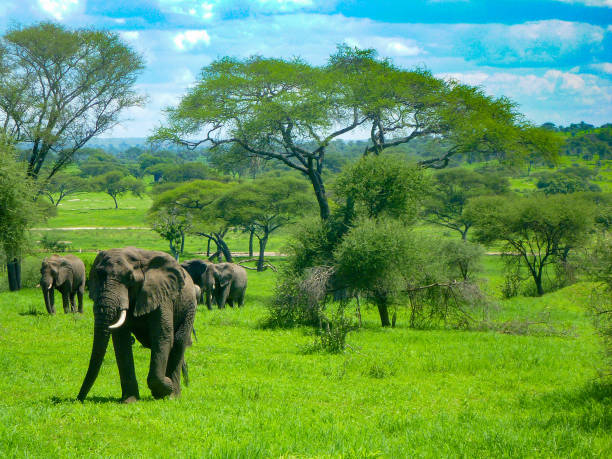
Known for giant baobab trees, strong elephant interest, woodland, savanna and varied wildlife.
Provides groundwater forest, wetlands, Rift Valley scenery, primates, birdlife and general wildlife.
Provides extensive plains, predator opportunities, large herbivores and seasonally relevant Great Migration wildlife.
Contains Ngorongoro Crater, dramatic highlands, diverse wildlife and a possible black rhinoceros opportunity.
Seven days provides several meaningful Serengeti wildlife periods rather than one rushed game drive.
Travellers can experience baobab woodland, forest, wetlands, open plains and the Ngorongoro crater environment.
The extra day makes it easier to combine several destinations without sacrificing as much wildlife viewing time.
| Day | Destination | Main Safari Experience |
|---|---|---|
| Day 1 | Tarangire National Park | Elephants, giant baobabs, giraffes, buffaloes, zebras and savanna wildlife |
| Day 2 | Lake Manyara National Park | Forest, wetlands, primates, birdlife and Rift Valley scenery |
| Day 3 | Serengeti National Park | Continue into Serengeti and begin wildlife viewing according to route and arrival |
| Day 4 | Serengeti National Park | Dedicated Serengeti wildlife game drives |
| Day 5 | Serengeti National Park | Additional wildlife, predator and photography opportunities |
| Day 6 | Serengeti to Ngorongoro Area | Further Serengeti wildlife viewing before continuing toward Ngorongoro |
| Day 7 | Ngorongoro Crater | Crater wildlife safari followed by return or onward transportation |
Important: This is an example northern circuit itinerary. Exact destination order, accommodation, meals, wildlife game drive planning, protected area arrangements, pickup and final transportation should follow the confirmed package and actual operating conditions.
Travellers who consider Serengeti the most important part of their safari can remove Lake Manyara and dedicate the extra day to Serengeti.
| Day | Destination | Main Focus |
|---|---|---|
| Day 1 | Tarangire | Elephants, baobabs and savanna wildlife |
| Day 2 | Serengeti | Enter Serengeti and begin wildlife viewing |
| Day 3 | Serengeti | Full wildlife exploration |
| Day 4 | Serengeti | Additional predator and photography focused game drives |
| Day 5 | Serengeti | Further wildlife exploration or seasonally relevant regional focus |
| Day 6 | Serengeti to Ngorongoro | Final Serengeti wildlife period before continuing toward Ngorongoro |
| Day 7 | Ngorongoro Crater | Crater wildlife safari and final transportation |
| Feature | Balanced Northern Circuit | Serengeti Focused Route |
|---|---|---|
| Tarangire | Included | Included |
| Lake Manyara | Included | Usually removed |
| Serengeti Time | Substantial | More extensive |
| Ngorongoro | Included | Included |
| Habitat Variety | Greater | More concentrated |
| Predator Focus | Strong | More Serengeti searching time |
| Photography | Broader landscape variety | More Serengeti flexibility |
| Great Migration Planning | Possible | Greater flexibility |
Tarangire is an excellent opening destination on a seven day Northern Tanzania safari.
The park's giant baobab trees, woodland and savanna create a distinctive landscape before the itinerary continues toward Lake Manyara or Serengeti.
Specific elephant groups, predator sightings and close wildlife encounters cannot be guaranteed.
Tarangire is particularly attractive to travellers interested in African elephants.
Large baobab trees create one of Northern Tanzania's most distinctive safari landscapes.
Tarangire provides a strong contrast with Lake Manyara forest, Serengeti plains and Ngorongoro Crater.
Wildlife distribution changes according to water availability and grazing conditions.
During drier periods, areas around reliable water sources can become particularly interesting for wildlife observation.
Specific elephant concentrations, predator encounters or animal numbers should not be guaranteed.
Rain can transform Tarangire into a green landscape with fresh vegetation and dramatic skies.
Wildlife can become more widely distributed when water is available across broader areas.
Green conditions can provide excellent landscape and bird photography opportunities.
Lake Manyara adds a different ecosystem to the northern circuit through forest, wetland and Rift Valley environments.
Baboons and monkeys can add a different wildlife focus from the plains dominated parts of the safari.
Lake Manyara provides a strong visual contrast with Tarangire and Serengeti.
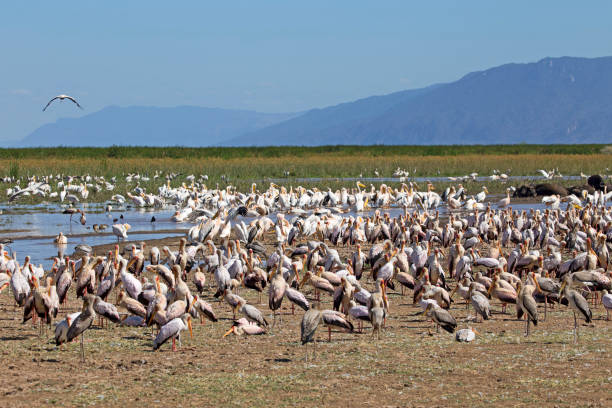
The park can be particularly attractive for travellers who value birdlife and habitat diversity.
Lake Manyara has historically been associated with lions resting or climbing in trees.
This behaviour remains natural and cannot be guaranteed.
A particular visit may produce no lion sighting, and visible lions may remain on the ground.
Flamingo abundance can vary according to water levels, food availability and other ecological conditions.
No specific concentration of flamingos should be promised.
Lake Manyara can still provide rewarding birdwatching even when large flamingo groups are absent.
Day 3 continues toward Serengeti National Park, where the principal plains wildlife portion of the seven day safari begins.
Wildlife viewing can begin according to route, arrival, protected area procedures and actual conditions.
Serengeti is a very large wildlife ecosystem with animals distributed across extensive plains, woodland and other habitats.
Wildlife movement changes according to rainfall, water, grazing, habitat and natural behaviour.
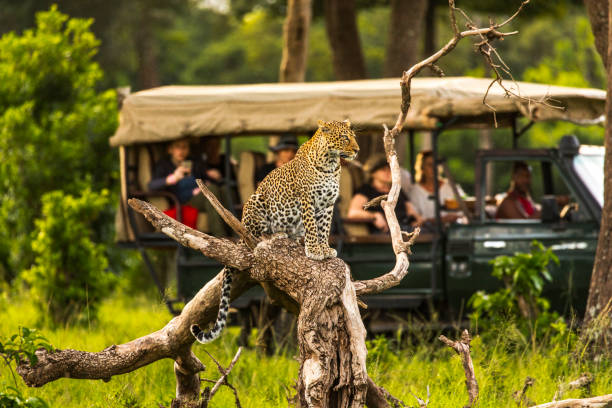
Lions, cheetahs and leopards occur in suitable Serengeti habitats, although individual sightings remain natural.
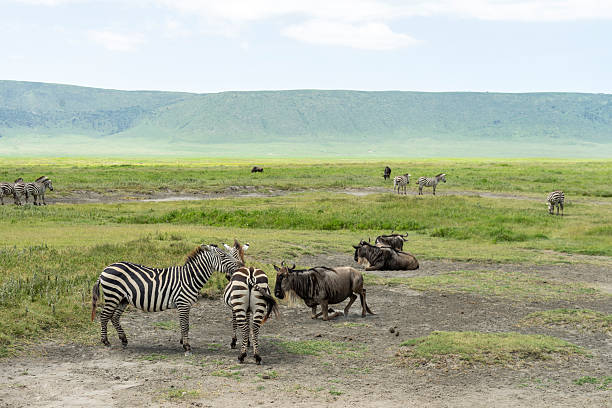
Wildebeest, zebras, giraffes, buffaloes and gazelles form an important part of the ecosystem.
Seven days gives the itinerary enough time for several meaningful Serengeti wildlife experiences.
Day 4 can be dedicated to wildlife viewing inside Serengeti.
A substantial wildlife day allows the guide to explore suitable habitats without immediately travelling toward another destination.
Day 5 provides another major wildlife experience inside Serengeti.
This additional wildlife day is one of the strongest advantages of a seven day Northern Tanzania safari.
Animals move naturally, so additional time provides more opportunity to explore different habitats.
Travellers can spend more time observing wildlife behaviour when conditions permit.
Several game drive periods provide greater flexibility for wildlife and landscape photography.
The sixth day can begin with additional Serengeti wildlife viewing before continuing toward the Ngorongoro area.
This creates another Serengeti game drive period while positioning the safari for the final crater experience.
The final day can focus on Ngorongoro Crater before returning to Moshi, finishing in Arusha or continuing toward another confirmed destination.
Ngorongoro Crater lies within the Ngorongoro Conservation Area and is not a Tanzania national park.
Black rhinoceros can remain distant from safari roads and sightings cannot be guaranteed.
The crater provides a powerful landscape contrast after Tarangire, Lake Manyara and Serengeti.
Several large mammal species may potentially be encountered during the crater game drive.
Ngorongoro provides a possible black rhinoceros opportunity when fortunate.
No animal, species or wildlife event can be guaranteed.
Tarangire is particularly attractive for travellers interested in African elephants.
Elephants may also be encountered in Lake Manyara, Serengeti and other suitable habitats.
Specific groups, calves and close encounters remain natural.
Lions may be encountered in Tarangire, Lake Manyara, Serengeti and Ngorongoro.
Several Serengeti wildlife periods provide more time for predator searching than compressed safari itineraries.
Specific prides, cubs, hunting behaviour and close encounters cannot be guaranteed.
Serengeti provides opportunities for cheetahs in suitable open habitats.
Additional game drive time can allow more habitat to be explored, but sightings cannot be guaranteed.
Leopards occur in suitable Northern Tanzania habitats but are naturally secretive.
Professional guides can search appropriate areas, but leopard sightings cannot be promised.
Ngorongoro can provide a possible black rhinoceros opportunity.
The animals may remain far from safari roads, making binoculars particularly useful.
A black rhinoceros sighting cannot be guaranteed.
A seven day Northern Tanzania safari provides opportunities for traditional Big Five species.
Lions, elephants and buffaloes may be encountered, leopards remain secretive and Ngorongoro can provide a possible black rhinoceros opportunity.
Seeing all five species cannot be guaranteed.
Seven days provides strong flexibility for travellers who want to include Great Migration interest within the Serengeti portion of the safari.
The Great Migration is a natural cycle influenced by rainfall, water availability and fresh grazing rather than an exact fixed timetable.
Seven days can provide a strong migration focused itinerary when the seasonally relevant Serengeti region fits realistically within the route.
Travellers whose main goal is migration related wildlife may prefer the Serengeti focused itinerary and remove Lake Manyara.
More distant Serengeti regions can still benefit from additional days or suitable scheduled domestic flight arrangements.
Central Serengeti can be practical for many seven day general wildlife itineraries.
It provides broad predator and herbivore opportunities and can be explored without requiring the route to reach the most distant parts of the ecosystem.
Southern Serengeti and the wider Ndutu ecosystem can become relevant during suitable seasonal periods.
Wildlife can move between Serengeti National Park and parts of the Ngorongoro Conservation Area according to rainfall, water and fresh grazing.
Exact herd positions, individual births and predator activity cannot be guaranteed.
Western Serengeti can become relevant during some periods of seasonal wildlife movement.
The region should be selected because it suits the travel dates and wildlife interests rather than simply to increase the number of places visited.
Northern Serengeti requires additional travel compared with central areas.
Seven days provides more flexibility than shorter safaris, but the route should still be designed carefully to protect actual wildlife viewing time.
River crossings remain unpredictable natural events and cannot be guaranteed.
| Serengeti Region | General Interest | Planning Consideration |
|---|---|---|
| Central Serengeti | Broad general wildlife and predator opportunities | Practical for many seven day road safaris |
| Southern Serengeti | Can become seasonally relevant to migration interest | Natural conditions influence wildlife distribution |
| Western Serengeti | Can become relevant during seasonal movement | Additional travel should provide meaningful value |
| Northern Serengeti | General wildlife and seasonal migration interest | Additional distance requires careful itinerary planning |
| Period | General Migration Interest | Important Reality |
|---|---|---|
| January to March | Southern plains can become relevant | Exact herd locations and individual births cannot be guaranteed |
| April to May | Green landscapes and changing herd movement | Rain can influence roads and wildlife distribution |
| June to July | Herd movement can continue through different parts of the ecosystem | Exact positions depend on natural conditions |
| August to October | Northern migration interest can become relevant | River crossings cannot be guaranteed |
| November to December | Changing landscapes and movement toward central or southern areas may occur | Rainfall can strongly influence timing |
Northern Tanzania can provide rewarding wildlife experiences during different travel seasons.
| Safari Interest | Possible Focus | Important Note |
|---|---|---|
| Elephants | Tarangire | Specific herd sizes cannot be guaranteed |
| Primates | Lake Manyara | Individual sightings remain natural |
| Predators | Serengeti and Ngorongoro | Individual sightings cannot be guaranteed |
| Black Rhino | Ngorongoro opportunity | Animals may remain distant |
| Great Migration | Seasonally relevant Serengeti region | Exact herd positions cannot be guaranteed |
| Birdwatching | All major destinations | Species vary according to habitat and season |
Green season travel can provide lush scenery, dramatic clouds, fresh vegetation and rewarding birdwatching.
Fresh vegetation creates attractive scenery around giant baobab trees.
Forest and wetland environments can appear especially green.
Green plains and changing skies can create striking wildlife photography conditions.
The crater and surrounding highlands can become particularly lush and scenic.
No.
Rain can influence road conditions, vegetation, visibility and wildlife distribution, but it can also create beautiful landscapes and interesting photography conditions.
Professional guides adapt game drive planning according to actual conditions and authorized roads.
A private safari provides a dedicated ground 4x4 and professional guide for the confirmed booking party.
The ground safari vehicle is reserved for the travellers included in the confirmed booking.
Predators, elephants, primates, photography, birdlife or migration interest can receive additional attention within the confirmed route.
Private safari can be easier to coordinate with hotels, Kilimanjaro plans and onward travel.
No.
Private safari refers primarily to the dedicated ground vehicle and professional guide.
Camping, budget lodge, mid range lodge, tented camp and luxury accommodation can all be combined with private safari.
Private ground safari also does not automatically mean private aircraft.
Group joining can help compatible travellers share selected vehicle and professional guide costs.
A joining departure should only be treated as available when appropriate confirmed travellers and operational arrangements exist.
No.
Group joining normally means sharing the safari vehicle and professional guide.
Room or tent occupancy should be confirmed separately.
| Feature | Private Safari | Group Joining Safari |
|---|---|---|
| Ground Vehicle | Dedicated to booking party | Shared with compatible travellers |
| Guide | Dedicated to booking party | Shared within confirmed group |
| Departure Date | More flexible | Depends on confirmed compatible departure |
| Wildlife Interests | More personalized | Shared among travellers |
| Route | Easier to customize | Follows agreed group itinerary |
| Photography | Greater coordination around booking party | Vehicle priorities are shared |
| Room Sharing | According to booking | Not automatically required |
A seven day northern circuit safari can remain cost conscious through efficient routing, camping, budget lodges or compatible group joining where available.
Camping can provide an outdoor safari experience while helping control the accommodation component of the package.
Exact campsite arrangements, camping equipment, meals and safari support should follow the confirmed package.
Budget lodges provide established accommodation for travellers who prefer not to camp.
The exact properties depend on route, travel dates, room requirements and availability.
Mid range lodges and tented camps provide additional comfort between game drives while keeping wildlife exploration at the centre of the itinerary.
This accommodation style can suit couples, families, solo travellers and visitors combining safari with Kilimanjaro.
A luxury seven day safari can combine a dedicated ground 4x4 with premium lodges or tented camps.
Luxury accommodation improves comfort, facilities and hospitality but cannot guarantee better wildlife sightings.
| Accommodation Style | General Experience | Suitable For |
|---|---|---|
| Camping | Outdoor safari experience | Adventure and budget travellers |
| Budget Lodge | Simple established accommodation | Cost conscious travellers |
| Mid Range Lodge or Tented Camp | Comfortable safari accommodation | Couples, families and solo travellers |
| Luxury Lodge or Camp | Premium accommodation and hospitality | Honeymoon and premium travellers |
No.
Wildlife moves naturally regardless of accommodation category.
The main differences between camping, budget, mid range and luxury safari accommodation are comfort, facilities, property style and service.
Moshi is a practical starting point for travellers staying in the Kilimanjaro region.
The safari can also begin or finish in Arusha according to the confirmed itinerary.
Pickup and final transportation should be clearly stated in the confirmed package.
A seven day safari provides an excellent wildlife extension after completing a Kilimanjaro climb.
A recovery night in Moshi can be useful after summit night before beginning the road safari.
The safari can also be arranged before climbing Kilimanjaro.
The final safari schedule should leave sufficient time to return, rest, attend the mountain briefing and prepare trekking equipment.
A seven day northern circuit safari works well for couples who want several wildlife destinations with enough time for meaningful Serengeti exploration.
A private seven day safari can form part of a Tanzania honeymoon.
Premium lodges or tented camps can be selected according to budget and availability.
Specific honeymoon amenities should be confirmed with the selected accommodation rather than assumed.
A private safari can work particularly well for families because daily vehicle logistics can be coordinated around one booking party.
Solo travellers can choose a private safari or join compatible confirmed travellers when an appropriate departure exists.
Private safari provides greater flexibility, while joining can distribute selected shared vehicle and guide costs.
Seven days provides strong wildlife photography potential because the route can combine multiple distinct landscapes and several substantial Serengeti game drive periods.
Tarangire, Lake Manyara, Serengeti and Ngorongoro provide varied bird habitats alongside the larger mammal focus of the safari.
Lake Manyara can be especially attractive to travellers who want forest and wetland birdwatching within a broader northern circuit itinerary.
Bird distribution varies naturally according to season and habitat.
Meals depend on the confirmed package and accommodation style.
The itinerary can include breakfasts, picnic lunches, lodge dinners or camp meals according to the confirmed arrangements.
A seven day Northern Tanzania safari can form part of a longer Tanzania itinerary continuing toward Zanzibar.
Exact domestic flight schedules, departure points, prices, baggage conditions and availability should be confirmed for the actual travel dates.
Yes.
Return transportation to Moshi can be arranged according to the confirmed package.
Yes.
Final transportation to Arusha can be arranged according to the confirmed itinerary.
Airport transportation can be arranged when the final safari route and confirmed flight schedule provide sufficient travel margin.
Very tight international connections immediately after substantial road travel should generally be avoided.
| Feature | Road Safari | Flight + Ground Safari |
|---|---|---|
| Travel Style | Classic Northern Tanzania overland route | Scheduled domestic flight combined with ground wildlife viewing |
| Tarangire | Fits naturally into many road routes | Depends on the complete itinerary |
| Lake Manyara | Fits naturally into many northern circuit routes | Depends on flight and ground arrangements |
| Serengeti | Reached through the overland circuit | Selected road transfers can be reduced |
| Ngorongoro | Combines naturally with road routing | Requires coordinated ground arrangements |
| Baggage | Vehicle based arrangements | Airline specific restrictions must be confirmed |
| Private Meaning | Dedicated ground vehicle when privately booked | Scheduled flight does not automatically mean private aircraft |
| Feature | 6 Day Safari | 7 Day Safari |
|---|---|---|
| Safari Nights | Normally 5 | Normally 6 |
| Serengeti Time | Substantial | More flexible |
| Lake Manyara | Can make route more active | Easier to include |
| Photography | Strong | Greater game drive flexibility |
| Migration Planning | Strong | Greater regional flexibility |
| Best For | Travellers wanting a substantial shorter circuit | Travellers wanting a fuller northern circuit experience |
Yes. Seven days provides an excellent balance between destination variety, meaningful Serengeti wildlife time and realistic northern circuit routing.
A balanced itinerary can combine Tarangire, Lake Manyara, Serengeti and Ngorongoro, while a Serengeti focused route can remove Lake Manyara and use the additional day inside Serengeti.
A standard seven day safari normally involves six safari overnights according to the confirmed itinerary.
Yes. Tarangire adds giant baobabs, strong elephant interest and varied savanna wildlife.
Yes. Lake Manyara adds forest, wetlands, primates, birdlife and Rift Valley scenery.
Yes. Serengeti normally forms a major part of a seven day Northern Tanzania safari.
Yes. Ngorongoro Crater provides a strong final wildlife experience within the Ngorongoro Conservation Area.
No. Ngorongoro Crater lies within the Ngorongoro Conservation Area.
Choose Lake Manyara for habitat variety, primates and birdlife. Choose more Serengeti time if predators, photography or Great Migration planning are higher priorities.
Seven days generally provides more Serengeti flexibility and makes Lake Manyara easier to include without compressing the entire itinerary as heavily.
Eight or more days can provide additional flexibility for distant Serengeti regions, photography and slower travel.
Elephants may be encountered in several destinations, with Tarangire particularly attractive for elephant focused safari planning.
Lions may be encountered in several northern circuit destinations, but sightings cannot be guaranteed.
Serengeti provides opportunities for cheetahs in suitable open habitats, but sightings remain natural.
Leopards occur in Northern Tanzania but are naturally secretive and cannot be guaranteed.
Ngorongoro can provide a possible black rhinoceros opportunity, although animals may remain distant and sightings cannot be guaranteed.
The route provides opportunities for traditional Big Five species, but seeing all five cannot be guaranteed.
A Serengeti itinerary may intersect with migration wildlife when natural herd movement aligns with the selected region, but exact herd locations cannot be guaranteed.
No. River crossings are unpredictable natural wildlife events.
Southern Serengeti and the wider Ndutu ecosystem can be associated with seasonal calving related wildlife, but individual births cannot be guaranteed.
It can be possible, although the extra distance requires careful itinerary planning and may benefit from additional days.
Yes, where seasonally appropriate and realistic for the confirmed itinerary.
Yes, when travel dates, wildlife priorities and route logistics support it.
Yes. Private safari provides a dedicated ground 4x4 and professional guide for the booking party.
No. Private safari can use camping, budget, mid range or luxury accommodation.
No. Private safari normally refers to the ground vehicle and guide unless private aviation is separately confirmed.
Possibly. Group joining depends on compatible confirmed travellers, dates, route, accommodation arrangements and vehicle space.
No. A departure should only be treated as confirmed when compatible travellers and operating arrangements exist.
No. Group joining normally means sharing the safari vehicle and professional guide. Accommodation occupancy should be confirmed separately.
Yes. Camping can be included where suitable and specifically confirmed.
Yes. Budget lodges can be selected according to route and availability.
Yes. Mid range lodges and tented camps provide additional comfort between wildlife days.
Yes. Premium safari properties can be included subject to availability and the confirmed package.
No. Wildlife movement remains natural regardless of accommodation category.
Yes. Moshi is a practical starting point for travellers staying in the Kilimanjaro region.
Yes. Arusha can also be used as a starting or finishing point according to confirmed arrangements.
Yes. Seven days provides an excellent post Kilimanjaro wildlife extension.
A recovery night in Moshi can be useful after summit night before beginning a multi day road safari.
Yes. The itinerary should finish with enough time to rest, attend the mountain briefing and prepare trekking equipment.
Yes. Couples can choose private safari and accommodation according to their preferred comfort level.
Yes. A private safari can work well for families, subject to road travel tolerance, room configuration and accommodation policies.
Yes. Solo travellers can choose private safari or join compatible confirmed travellers when available.
Yes. Premium accommodation can be selected, while specific honeymoon amenities should be confirmed separately.
Yes. Seven days provides strong wildlife and landscape photography opportunities across several different ecosystems.
Yes. Tarangire, Lake Manyara, Serengeti and Ngorongoro provide varied bird habitats.
Meals can be included according to the confirmed safari package.
Drinking water can be included according to the confirmed arrangements.
Applicable national park and Ngorongoro conservation arrangements can be included according to the confirmed quotation.
Yes. Return transportation to Moshi can be arranged according to the confirmed package.
Yes. Final transportation to Arusha can be arranged according to the confirmed itinerary.
Yes. Suitable ground transportation and scheduled domestic flight arrangements can connect the safari with Zanzibar according to the confirmed itinerary.
A 7 Day Northern Tanzania Safari is one of the strongest itinerary lengths for travellers who want to experience several of Tanzania's major northern wildlife destinations without compressing every game drive.
Tarangire provides giant baobab landscapes, strong elephant interest and varied savanna wildlife.
Lake Manyara can add forest habitats, primates, wetland scenery, birdlife and Rift Valley landscapes.
Serengeti forms the main plains wildlife component, with opportunities for wildebeest, zebras, giraffes, elephants, buffaloes, hyenas, lions, cheetahs and leopards when fortunate across several substantial wildlife periods.
Ngorongoro completes the safari with dramatic crater scenery, diverse wildlife and a possible black rhinoceros opportunity.
Travellers who prioritize Serengeti can remove Lake Manyara and use the additional time for more wildlife viewing, photography or seasonally appropriate Great Migration planning.
Private safari provides a dedicated ground 4x4 and professional guide, while compatible group joining can be considered when matching confirmed travellers and operating arrangements exist.
Camping, budget lodge, mid range lodge, tented camp and luxury accommodation can all be selected according to the confirmed package.
The safari can begin from Moshi or Arusha, can operate before or after Kilimanjaro and can continue toward Zanzibar or another confirmed destination.
Wildlife remains completely natural, so elephants, lions, cheetahs, leopards, black rhinoceros, Big Five sightings, Great Migration herd positions, river crossings, calving events and predator activity cannot be guaranteed.
The strongest seven day Northern Tanzania safari therefore combines wildlife diversity, substantial Serengeti time, professional guiding, realistic routing, responsible game viewing and accommodation suited to the traveller.
Seven Days. Northern Tanzania. More Wildlife. More Serengeti.
Share your travel dates, number of travellers, preferred accommodation level, private or group preference, Serengeti interests, Great Migration priorities, Kilimanjaro plans and onward destination and our local team will design a seven day Northern Tanzania safari around your confirmed itinerary.
Plan Your 7 Day Northern Tanzania Safari
Discover flexible wildlife itineraries across Tanzania's most iconic safari destinations.
Explore Safaris
Enjoy flexible travel with a dedicated vehicle, professional guide and itinerary built around your interests.
View Private Safaris
Combine Tanzania's wildlife with carefully selected lodges, camps and personalized travel arrangements.
View Luxury SafarisUse this itinerary as a starting point and share your preferred dates, group size, destinations and comfort level. Our team can adjust the trip around your travel plans.
Continue exploring journeys that match this itinerary.