
Tanzania Safari Packages
Discover flexible wildlife itineraries across Tanzania's most iconic safari destinations.
Explore Safaris
Wildlife Tours Starting from Moshi with Tarangire, Serengeti, Ngorongoro and Lake Manyara, professional guides, 4x4 game drives, private and group safari options.
Wildlife Tours Starting from Moshi allow travellers staying in the Kilimanjaro region to continue directly into some of Northern Tanzania's most famous wildlife destinations.
Moshi is particularly convenient for travellers climbing Mount Kilimanjaro, visitors using the town as their Tanzania base and guests who want safari before continuing to Arusha, an airport or Zanzibar.
Safari routes can include Tarangire National Park, Lake Manyara National Park, Serengeti National Park and Ngorongoro Crater.
The ideal itinerary depends on the number of days available, wildlife interests, accommodation level, private or group safari preference and onward plans.
Wildlife remains completely natural, so no responsible safari should promise specific animals or behaviours.
Wildlife Tours Starting from Moshi are Tanzania safari itineraries beginning in Moshi and travelling toward Northern Tanzania's protected wildlife areas.
They can be designed as day trips, short two or three-day safaris or complete Serengeti and Ngorongoro wildlife holidays.
Moshi is widely used as a base for Mount Kilimanjaro travel and can also serve as the beginning of a Northern Tanzania safari.
Travellers can begin safari directly after returning from their mountain expedition and taking suitable recovery time.
Wildlife tours can range from one-day trips to full Serengeti and Ngorongoro itineraries.
The safari can return toward Moshi or continue to Arusha, an airport or Zanzibar according to confirmed arrangements.
| Destination | Main Character | Possible Wildlife |
|---|---|---|
| Tarangire National Park | Elephants, baobabs and classic savanna | Elephants, giraffes, buffaloes, zebras, wildebeest, lions and birds |
| Lake Manyara National Park | Groundwater forest, primates, wetlands and Rift Valley scenery | Baboons, monkeys, elephants, giraffes, buffaloes, hippos and birds |
| Serengeti National Park | Open plains, predators and seasonal migration interests | Lions, cheetahs, leopards, wildebeest, zebras, elephants, giraffes and hyenas |
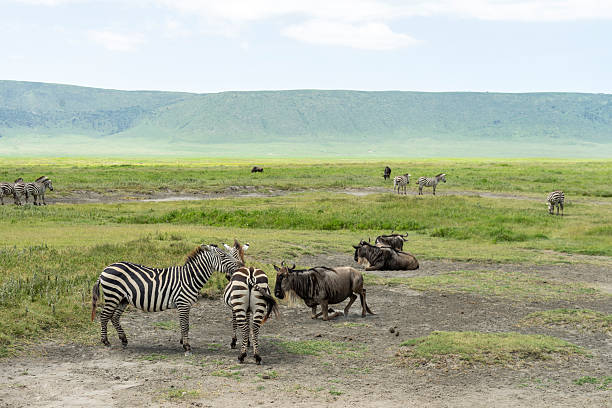
| Ngorongoro Crater | Volcanic wildlife landscape inside Ngorongoro Conservation Area | Lions, buffaloes, zebras, wildebeest, hippos, hyenas and possible black rhinoceros |
Tarangire National Park is one of the most attractive wildlife destinations for travellers beginning safari in Moshi.
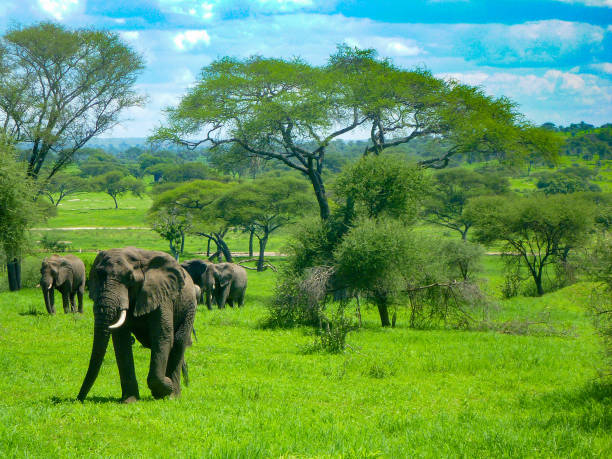
The park is well known for African elephants, giant baobab trees and classic Northern Tanzania savanna scenery.
Specific elephant herds, lion prides, leopard sightings and close encounters cannot be guaranteed.
Tarangire is especially attractive to travellers interested in African elephants.
Giant baobab trees create one of Northern Tanzania's most recognizable landscapes.
Tarangire works well as a day trip or as the first destination on a longer safari.
Lake Manyara National Park provides a different wildlife environment from Tarangire and Serengeti.
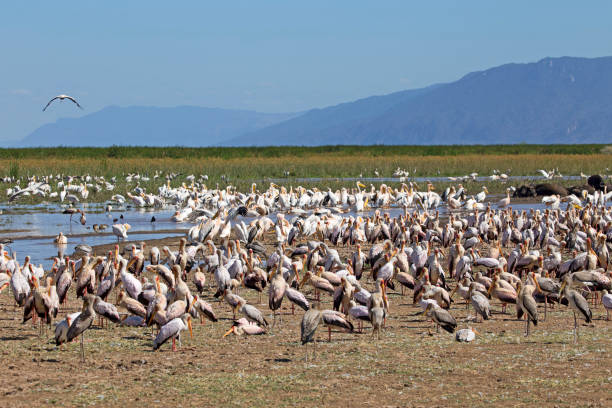
Its habitats include groundwater forest, woodland, wetlands and lake-associated environments.
Lake Manyara is historically associated with tree-climbing lions, but neither lion sightings nor tree-climbing behaviour can be guaranteed.
Flamingo abundance can also vary according to water conditions and other ecological factors.
Ngorongoro Crater is one of Northern Tanzania's most recognizable wildlife destinations.
It is located inside the Ngorongoro Conservation Area rather than a Tanzania national park.
Black rhinoceros may remain far from safari roads and cannot be guaranteed.
Serengeti National Park is one of Tanzania's most famous safari destinations and is best included when sufficient days are available.
The longer road journey means that very short Serengeti itineraries can feel intensive.
Four days can provide a compact introduction, while five to seven or more days generally creates a more balanced wildlife experience.
| Safari Length | Best Use | Possible Route |
|---|---|---|
| 1 Day | Short wildlife experience | Tarangire, Lake Manyara or suitable Ngorongoro-focused safari |
| 2 Days | Compact two-destination safari | Tarangire + Ngorongoro or Manyara + Ngorongoro |
| 3 Days | Strong short multi-park safari | Tarangire + Lake Manyara + Ngorongoro |
| 4 Days | Short Serengeti introduction | Tarangire + Serengeti + Ngorongoro |
| 5 Days | Balanced Serengeti experience | Tarangire + Serengeti + Ngorongoro |
| 6 Days | Additional Serengeti time | Tarangire + Serengeti + Ngorongoro + optional additional focus |
| 7+ Days | Extended wildlife, photography or seasonal focus | Longer Serengeti + Ngorongoro + additional destinations |
A one-day wildlife tour is suitable for travellers who have limited time in Northern Tanzania.
The strongest approach is usually to focus on one wildlife destination rather than rushing between several protected areas.
Strong for elephants, baobabs, giraffes and general savanna wildlife.
Strong for primates, elephants, forest scenery and birdlife.
Can be considered where the confirmed schedule makes the longer road day practical.
A Tarangire day safari is particularly attractive to travellers interested in elephants and iconic baobab landscapes.
Because no safari overnight is required, it can also be useful for travellers with limited time or budget.
Lake Manyara offers a compact wildlife experience featuring forest habitats, primates, elephants, birdlife and Rift Valley scenery.
Wildlife distribution and lake conditions vary naturally.
A Ngorongoro-focused wildlife tour can be arranged where the confirmed itinerary is practical.
Because the journey is more intensive than some other day-tour options, a two-day itinerary can provide more comfortable pacing when time allows.
Two days is one of the strongest short safari formats because travellers can visit two contrasting wildlife destinations.
Tarangire and Ngorongoro is one of the most popular compact safari combinations beginning from Moshi.
Three days allows travellers to combine several habitats without requiring the longer Serengeti road journey.
Three days can combine elephant, primate, crater and general wildlife interests.
Baobab savanna, groundwater forest and volcanic crater scenery can all be included.
The route can avoid forcing Serengeti into an excessively short itinerary.
Yes, but the itinerary becomes considerably more intensive.
If Serengeti is the traveller's highest priority, a three-day route can be considered, but four or five days normally gives a better balance between wildlife viewing and road travel.
Four days is one of the shortest practical road-safari formats for travellers who want to include Serengeti.
Five days generally creates a better Serengeti experience because travellers can dedicate more time to wildlife viewing.
Travellers can enjoy wildlife viewing instead of using most of the itinerary simply reaching and leaving the park.
Tarangire, Serengeti and Ngorongoro can fit together more naturally.
Multiple ecosystems provide broader wildlife and photography opportunities.
Six days allows more flexibility and additional Serengeti wildlife time.
A seven-day safari gives travellers a more complete Northern Tanzania wildlife experience.
| Traveller Interest | Suggested Safari Focus | Useful Duration |
|---|---|---|
| Elephants | Tarangire | 1–3+ days |
| Primates | Lake Manyara | 1–3 days |
| Crater Wildlife | Ngorongoro | 1–3+ days |
| Serengeti | Serengeti + Ngorongoro + another park | 4–7+ days |
| Predators | Serengeti + Ngorongoro | 4–7+ days |
| Photography | Private multi-day safari | 5–7+ days |
| Budget | Efficient nearby park combinations | 1–5 days |
A private wildlife tour means the safari vehicle and professional guide are reserved for the traveller's booking party.
Private safari does not automatically mean luxury accommodation and does not mean a private aircraft unless separately confirmed.
No unrelated travellers share the ground safari vehicle.
Elephants, predators, photography, birds or general wildlife can receive greater attention.
Private safari generally makes exact departure dates from Moshi easier to arrange.
Private describes the vehicle and guide arrangement.
A group joining safari allows travellers from separate compatible bookings to share the safari vehicle and guide.
Group joining should not be assumed to operate every day.
No.
Group joining normally refers to sharing the safari vehicle and professional guide.
Room or tent occupancy should be confirmed separately according to the package.
| Feature | Private Wildlife Tour | Group Joining Wildlife Tour |
|---|---|---|
| Vehicle | Dedicated to booking party | Shared with compatible travellers |
| Departure Date | More flexible | Depends on confirmed departure |
| Wildlife Interests | More personalized | Shared priorities |
| Photography | More positioning flexibility within regulations | Vehicle priorities are shared |
| Accommodation | Easier to customize | Usually follows the group arrangement |
| Cost Structure | Vehicle cost carried by booking party | Some vehicle and guide costs shared |
Wildlife tours can be designed around a budget through efficient routing, accommodation choice and compatible group joining where available.
A budget safari should still include professional guiding, suitable transportation and realistic wildlife time.
Budget should primarily influence accommodation style and optional extras rather than responsible safari operations.
Camping can be used on suitable multi-day safaris for travellers interested in a more adventurous and cost-conscious safari style.
Exact camping equipment, campsite arrangements, meals and support should follow the confirmed package.
Mid-range tours can combine professional wildlife guiding with comfortable lodges or tented camps.
This style is particularly popular for travellers wanting a balance between comfort and cost.
Luxury wildlife tours can combine a private safari vehicle with premium lodges or tented camps.
Luxury improves comfort and service but does not guarantee better wildlife sightings.
| Accommodation Style | Experience | Suitable For |
|---|---|---|
| Camping | Outdoor safari accommodation | Adventure and budget travellers |
| Budget Lodge | Simple indoor accommodation | Cost-conscious travellers |
| Mid-Range Lodge or Camp | Comfortable safari accommodation | Couples, solo travellers and families |
| Luxury Lodge or Camp | Premium accommodation and service | Honeymooners and premium travellers |
No individual species or encounter can be guaranteed.
A multi-park Northern Tanzania safari can provide opportunities for traditional Big Five species.
Elephants and buffaloes may occur in several destinations, lions are found across the Northern Circuit, leopards are naturally secretive and Ngorongoro can provide a possible black rhinoceros opportunity.
Seeing all five cannot be guaranteed.
Travellers particularly interested in elephants should consider Tarangire.
Lions may be encountered in Tarangire, Serengeti, Ngorongoro and sometimes Lake Manyara.
Serengeti and Ngorongoro are particularly attractive for predator-focused wildlife planning.
Specific pride locations, hunts and other behaviour cannot be guaranteed.
Cheetah opportunities are especially relevant in suitable open Serengeti habitats.
Travellers interested in cheetahs should consider allowing enough Serengeti time rather than using an excessively compressed itinerary.
Cheetah sightings cannot be guaranteed.
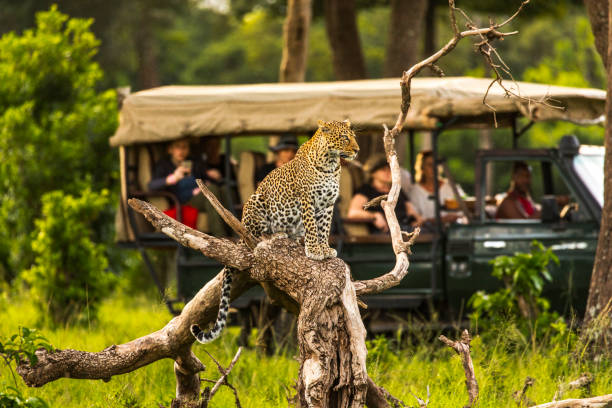
Leopards occur in Northern Tanzania but are naturally secretive.
A professional guide can search suitable habitats, but no tour should promise a leopard sighting.
Ngorongoro Crater can provide a possible black rhinoceros opportunity.
The animals may remain distant from roads, making binoculars particularly useful.
No black rhinoceros sighting can be guaranteed.
Longer Serengeti wildlife tours from Moshi can be planned around broad seasonal Great Migration expectations.
The Great Migration is influenced by rainfall, water availability and fresh grazing rather than a fixed timetable.
During suitable seasonal periods, wildlife tours can be designed toward southern Serengeti and the wider Ndutu ecosystem.
Wildlife moves naturally through the broader ecosystem and may cross protected-area boundaries.
The broader period can be associated with calving activity, but individual births cannot be guaranteed.
Northern Serengeti can be considered when seasonal wildlife interests make the area appropriate.
Because the region requires additional travel, longer safari durations are usually more suitable.
River crossings remain natural and unpredictable.
Northern Tanzania can provide wildlife experiences in different seasons.
| Safari Interest | Possible Focus | Important Note |
|---|---|---|
| General Wildlife | Tarangire, Manyara, Serengeti and Ngorongoro | Wildlife remains natural throughout the year |
| Elephants | Tarangire emphasis | Specific herd sizes cannot be guaranteed |
| Predators | Serengeti and Ngorongoro | Predator behaviour remains unpredictable |
| Great Migration | Seasonally suitable Serengeti region | Exact herd positions cannot be guaranteed |
| Black Rhino | Ngorongoro opportunity | Rhinos may remain distant |
| Birdwatching | Multiple Northern Tanzania habitats | Species distribution varies naturally |
Drier conditions can produce rewarding general wildlife viewing.
Tarangire can become particularly interesting when reliable water influences animal distribution.
Specific concentrations of wildlife remain natural and cannot be guaranteed.
Green-season tours can provide lush landscapes, dramatic skies and rewarding birdwatching.
Serengeti plains and the Ngorongoro highlands can become particularly scenic.
Forest, wetland, savanna and highland habitats can provide strong birding opportunities.
Green vegetation, clouds and changing light can create dramatic safari photography.
No.
Rain can affect road conditions, visibility, vegetation and wildlife distribution, but it can also create beautiful landscapes.
A professional guide should adapt the wildlife-viewing approach according to actual conditions and authorized roads.
Wildlife safari is one of the most popular activities to combine with Mount Kilimanjaro.
A recovery night in Moshi can be especially useful after summit night.
Safari can also take place before the mountain.
The itinerary should leave enough time to return to Moshi, rest, attend briefing and organize trekking equipment.
A very tight safari return immediately before the climb should generally be avoided.
Solo travellers can choose a private safari or attempt to join a compatible confirmed group departure.
Group joining can help share selected vehicle and guide costs, while private safari provides more flexibility over exact dates and itinerary.
Couples can choose a dedicated private 4x4 or join compatible confirmed travellers.
Honeymooners can combine a private safari with Kilimanjaro and Zanzibar according to available time.
Specific honeymoon amenities should be confirmed with the chosen accommodation rather than assumed.
Families can benefit from private safari because it allows greater flexibility over pacing, comfort stops and accommodation.
Private wildlife tours can be particularly useful for photographers because vehicle positioning priorities belong to the booking party within protected-area rules.
Northern Tanzania contains many different habitats, including savanna, forest, wetlands, lake environments and highlands.
Tarangire, Lake Manyara, Serengeti and Ngorongoro can all provide rewarding birdwatching.
Species distribution changes naturally according to season and habitat conditions.
Meals depend on the confirmed safari package and accommodation.
Breakfasts, picnic lunches, lodge meals and camp meals can be included according to the itinerary.
Responsible wildlife tours should prioritize the natural behaviour of animals and the regulations of the protected area.
Wildlife tours can continue toward Zanzibar when suitable transportation is confirmed.
Exact domestic flight schedules, departure points, baggage conditions and availability should be confirmed for the travel dates.
Scheduled domestic flights can be combined with a wildlife safari where appropriate.
Travellers should not assume that scheduled safari flights depart directly from Moshi town.
The confirmed departure airport, destination airstrip, operating schedule and baggage conditions should be checked for the actual travel dates.
| Feature | Road Wildlife Tour | Fly-In + Ground Safari |
|---|---|---|
| Travel Style | Classic Northern Tanzania overland safari | Scheduled flight combined with ground safari |
| Destination Combination | Easy to combine several parks | Can prioritize more distant safari regions |
| Serengeti | Best with sufficient road-safari time | Can reduce selected longer road transfers |
| Baggage | Vehicle-based arrangements | Airline-specific conditions must be confirmed |
| Private Safari Meaning | Dedicated ground vehicle where booked privately | Scheduled flight does not automatically mean private aircraft |
Yes.
A wildlife tour starting from Moshi can finish in Arusha where this is part of the confirmed itinerary.
This can be useful for travellers continuing to another safari arrangement, accommodation or flight.
Airport transportation can be arranged when the final safari route and confirmed flight schedule allow sufficient travel margin.
Travellers should avoid unnecessarily tight international connections immediately after a long road journey.
Yes. Moshi is a practical starting point for Tarangire, Lake Manyara, Ngorongoro and longer Serengeti wildlife tours.
The best tour depends on your available days and wildlife interests. Tarangire is strong for elephants, Lake Manyara for primates, Ngorongoro for crater wildlife and Serengeti for longer wildlife-focused safaris.
Yes. Tarangire and Lake Manyara are strong one-day options, while Ngorongoro can be considered where the schedule is practical.
Yes. Tarangire and Ngorongoro is one of the strongest two-day combinations starting from Moshi.
Yes. Tarangire, Lake Manyara and Ngorongoro create a balanced three-day wildlife tour.
Yes, but the road itinerary becomes intensive. Four or five days generally provides a better balance.
Four days can provide a short practical Serengeti road itinerary when designed efficiently.
Yes. Five days generally allows more meaningful Serengeti wildlife time while still including another park and Ngorongoro.
Yes. Private safari provides a dedicated ground safari vehicle and professional guide for the booking party.
No. Private describes the ground vehicle and guide arrangement. Accommodation can be camping, budget, mid-range or luxury.
No. A private ground safari does not automatically include private aviation.
Possibly. Group joining depends on compatible confirmed travellers, dates, route, accommodation arrangements and available vehicle space.
No. A group departure should only be treated as confirmed when compatible travellers and operational arrangements are in place.
No. Group joining normally refers to sharing the safari vehicle and guide. Accommodation occupancy should be confirmed separately.
Yes. Efficient routes, budget accommodation, camping and compatible group joining can help control overall safari costs.
Yes. Premium safari lodges and tented camps can be included subject to availability and the confirmed package.
Elephants may be encountered in several destinations, with Tarangire particularly attractive for elephant-focused planning.
Lions may be encountered in several Northern Tanzania safari areas, but sightings cannot be guaranteed.
Serengeti can provide cheetah opportunities in suitable habitats, but sightings remain natural.
Leopards occur in Northern Tanzania but are naturally secretive and cannot be guaranteed.
Ngorongoro can provide a possible black rhinoceros opportunity, but sightings may be distant and cannot be guaranteed.
A multi-park wildlife tour can provide Big Five opportunities, but seeing all five cannot be guaranteed.
A suitable Serengeti itinerary can be planned around broad seasonal migration expectations, but exact herd positions cannot be guaranteed.
No. River crossings are natural and unpredictable migration events.
A southern Serengeti and Ndutu itinerary can be planned around broad seasonal expectations, but individual births cannot be guaranteed.
Yes. Wildlife safari is one of the most popular extensions after completing Mount Kilimanjaro.
A recovery night in Moshi can be useful after summit night, particularly before a longer road safari.
Yes. The safari should finish with sufficient time for rest, briefing and mountain preparation.
Storage may be arranged through confirmed hotel or operator arrangements. The exact storage and retrieval plan should be confirmed in advance.
Yes. Private safari is often particularly useful for families because it provides greater flexibility over pacing and daily logistics.
Yes. Solo travellers can choose private safari or join a compatible confirmed departure when available.
Yes. Couples can reserve a private 4x4 and professional guide according to the confirmed package.
Yes. Suitable road arrangements and scheduled domestic flights can connect Northern Tanzania safari areas with Zanzibar according to the confirmed itinerary.
Yes. Final transportation toward Arusha can be arranged where included in the confirmed itinerary.
Meals can be included according to the confirmed wildlife tour package.
Drinking water can be included according to the confirmed package.
Applicable national park and conservation-area arrangements can be included according to the confirmed quotation.
Yes. Return transportation to Moshi can be arranged according to the confirmed itinerary.
It may be possible when sufficient travel margin exists, but unnecessarily tight international connections after long road transfers should be avoided.
Wildlife Tours Starting from Moshi can be designed for travellers with one free day or for guests planning a complete multi-day Northern Tanzania safari.
Tarangire is particularly attractive for elephants and baobabs, Lake Manyara adds primates and forest habitats, Ngorongoro provides dramatic crater wildlife, while Serengeti becomes increasingly practical with four to seven or more safari days.
Private safari offers greater flexibility and a dedicated ground vehicle, while group joining can help share selected vehicle and guide costs when compatible confirmed travellers are available.
Camping, budget, mid-range and luxury accommodation can all be incorporated according to the confirmed package.
Wildlife tours can also be arranged before or after Mount Kilimanjaro and can continue toward Zanzibar according to confirmed transportation.
Wildlife remains natural, so elephants, lions, cheetahs, leopards, black rhinoceros, Big Five sightings, Great Migration herd positions, river crossings, calving events and predator hunts cannot be guaranteed.
The strongest wildlife tour is therefore the one that combines realistic routing, meaningful wildlife time, professional guiding, responsible viewing and accommodation suited to the traveller.
Start Your Tanzania Wildlife Adventure from Moshi
Share your travel dates, number of safari days, preferred wildlife destinations, accommodation level, private or group preference, Kilimanjaro plans and onward travel details and our local team will design a wildlife tour starting from Moshi around your confirmed itinerary.
Plan Your Wildlife Tour from Moshi
Discover flexible wildlife itineraries across Tanzania's most iconic safari destinations.
Explore Safaris
Enjoy flexible travel with a dedicated vehicle, professional guide and itinerary built around your interests.
View Private Safaris
Combine Tanzania's wildlife with carefully selected lodges, camps and personalized travel arrangements.
View Luxury SafarisUse this itinerary as a starting point and share your preferred dates, group size, destinations and comfort level. Our team can adjust the trip around your travel plans.
Continue exploring journeys that match this itinerary.